




IL-6: From Inflammatory Initiator to Key Regulatory Molecule in Multisystem Diseases
Author: Senior Product Manager of UA Views:1 


This article systematically elaborates on the molecular characteristics and biological functions of interleukin-6 (IL-6), highlighting its core regulatory role as a pleiotropic inflammatory cytokine in innate and adaptive immune responses. It analyzes the multi-level functional effects of IL-6 on B cells, T cells, hepatocytes, and hematopoietic stem cells, compares its kinetic differences with other inflammatory markers, and explores its clinical application value in infectious diseases, autoimmune disorders, and tumors.
- Recent Advances
- Product Information
Recent Advances
IL-6: From Inflammatory Initiator to Key Regulatory Molecule in Multisystem Diseases
Overview
This article focuses on the molecular characteristics and biological functions of interleukin-6 (IL-6), systematically elaborating its core regulatory role as a pleiotropic inflammatory cytokine in innate and adaptive immune responses. It analyzes its multifaceted effects on B cells, T cells, hepatocytes, and hematopoietic stem cells, compares its kinetic differences with other inflammatory markers, and explores its clinical applications in infectious diseases, autoimmune disorders, and tumors.
This article focuses on the molecular characteristics and biological functions of interleukin-6 (IL-6), systematically elaborating its core regulatory role as a pleiotropic inflammatory cytokine in innate and adaptive immune responses. It analyzes its multifaceted effects on B cells, T cells, hepatocytes, and hematopoietic stem cells, compares its kinetic differences with other inflammatory markers, and explores its clinical applications in infectious diseases, autoimmune disorders, and tumors.
I. Molecular Characteristics and Cellular Sources of IL-6
Interleukin-6 (IL-6) is a widely functional pleiotropic inflammatory cytokine and a key member of the interleukin family. IL-6 is a small glycoprotein with a molecular weight of approximately 19–28 kDa (varying due to glycosylation levels), composed of 184 amino acids forming four α-helical structures, typically existing as a monomer. The IL-6 gene is located on the p21 region of human chromosome 7, encoding a protein with a core structure of a four-helix bundle that binds to specific receptor complexes to exert biological functions.
IL-6 is produced by various cell types, including fibroblasts, monocytes/macrophages, T lymphocytes, B lymphocytes, epithelial cells, keratinocytes, and tumor cells. This broad cellular origin determines IL-6's multifunctional roles in immune responses, inflammatory reactions, and tissue homeostasis. Under physiological conditions, serum IL-6 levels are typically low (<7 pg/mL), but can rapidly increase by hundreds of times during infections, trauma, or inflammatory stimuli, highlighting its role as a core mediator of acute-phase responses.
II. The Core Role of IL-6 in Innate and Adaptive Immunity
IL-6 is a critical cytokine expressed in the initial response of the innate immune system to injury and infection. In early infection stages, IL-6 promotes the liver's production of acute-phase proteins, including C-reactive protein, complement C3, fibrinogen, thrombopoietin, serum amyloid A, and hepcidin, while stimulating the bone marrow to produce more polymorphonuclear leukocytes, enhancing the body's ability to clear pathogens. IL-6 also activates vascular endothelial cells to produce IL-6, IL-8, monocyte chemoattractant protein-1, intercellular adhesion molecule-1, and C5a receptors, and induces vascular endothelial cadherin breakdown, promoting the recruitment of inflammatory cells to infection sites.
In adaptive immune responses, IL-6 plays a pivotal role by stimulating antibody production and inducing naïve CD4+ T cells to differentiate into effector T cells. IL-6 promotes T-cell population expansion and activation, B-cell differentiation, acute-phase response regulation, and influences vascular diseases, lipid metabolism, insulin resistance, mitochondrial activity, and neuroendocrine system behaviors with hormone-like properties.
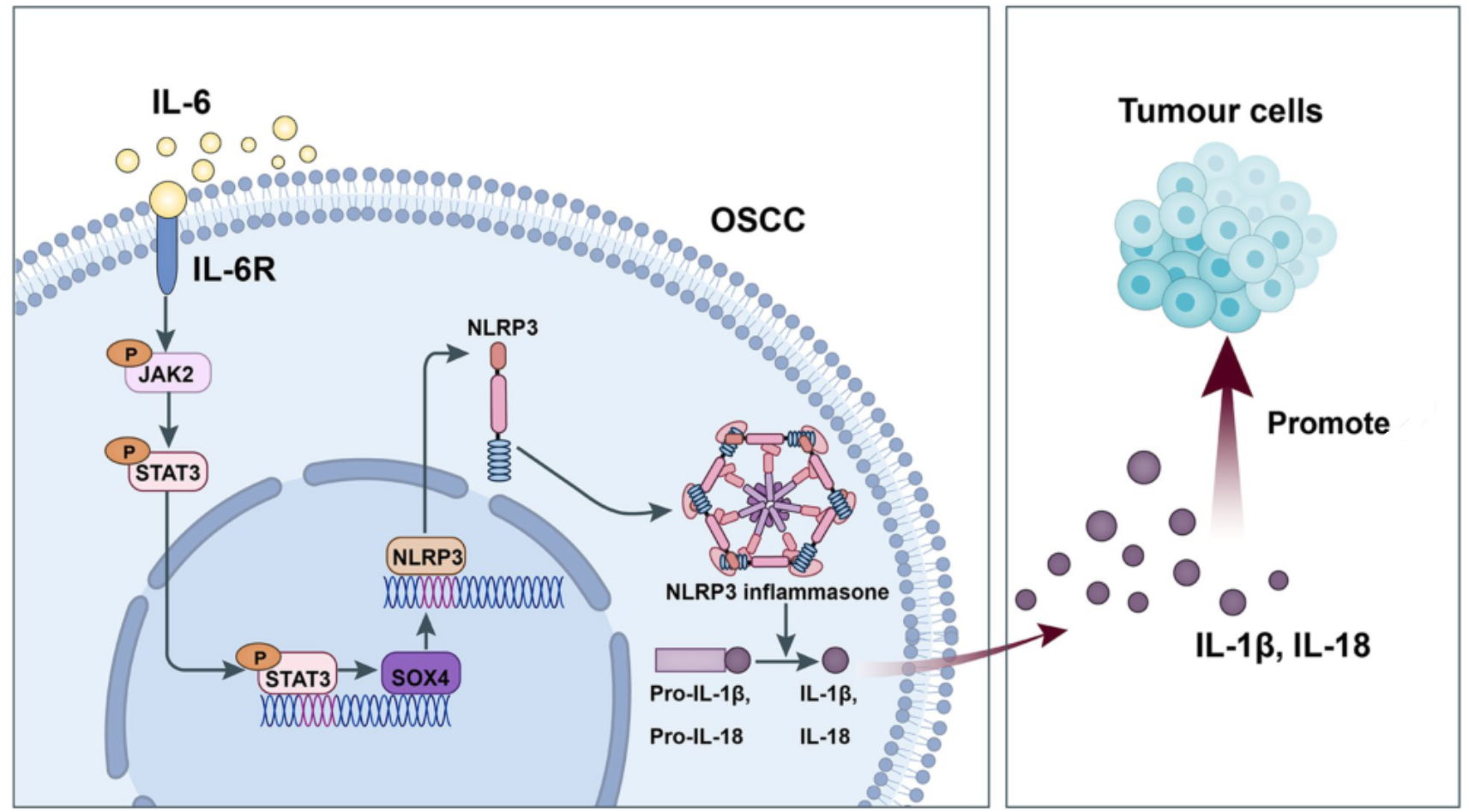
III. Functional Regulation of IL-6 on Immune and Target Cells
IL-6's effects on B lymphocytes include inducing B-cell proliferation, differentiation, and antibody production—B cells require IL-6 for differentiation into IgM, IgG, and IgA antibody types upon antigen stimulation. For T lymphocytes, IL-6 acts as a terminal cofactor for cytotoxic T lymphocytes (CTLs), inducing CTL activity and enabling immature thymocytes to develop into CTLs. IL-6 also serves as a T-cell activation factor, inducing IL-2 receptor expression via second messenger effects. For hepatocytes, IL-6 acts as a potent inducer of acute-phase proteins, upregulating their synthesis at the transcriptional level, with notable increases in SAA and CRP. For hematopoietic stem cells, IL-6 synergizes with other cytokines to promote early bone marrow stem cell growth, enhance hematopoiesis, and stimulate colony formation. Additionally, IL-6 promotes osteoclast and angiogenesis differentiation, keratinocyte and mesangial cell proliferation, and myeloma and plasmacytoma cell growth.
IV. Kinetic Comparison of IL-6 with Other Inflammatory Markers
In inflammatory responses, IL-6 rises earlier than other cytokines and earlier than CRP and PCT. After bacterial infection, IL-6 levels peak within 2 hours, PCT increases after 2 hours, and CRP rises significantly after 6 hours. IL-6 elevation correlates with infection severity and persists longer, making it useful for early diagnosis of acute infections. IL-6 can also assess infection severity and prognosis; levels >1000 pg/mL indicate poor prognosis, and dynamic monitoring aids in tracking disease progression and treatment response. However, IL-6 is less specific than PCT and CRP in distinguishing infectious from non-infectious conditions, as it may also rise in non-infectious states such as surgery, trauma, sterile acute pancreatitis, and autoimmune diseases.
V. Clinical Applications of IL-6
IL-6 is valuable for early infection detection—whether in sepsis, neonatal sepsis, respiratory infections, or postoperative infections—and its elevation correlates with disease severity. In autoimmune diseases, IL-6 is associated with rheumatoid arthritis, psoriasis, systemic lupus erythematosus, and others, often elevated in patient sera. In oncology, IL-6 is linked to plasmacytoma, chronic lymphocytic leukemia, acute myeloid leukemia, multiple myeloma, and Hodgkin's disease, promoting tumor growth, angiogenesis, metastasis, and suppressing anti-tumor immunity, serving as a potential biomarker. For infection type differentiation, simultaneous elevation of CRP, PCT, and IL-6 suggests Gram-negative bacterial infection, while elevated CRP and PCT with mild IL-6 increase suggests Gram-positive infection. IL-6 also holds potential clinical value in assessing hepatitis B virus infection prognosis, mesangial proliferative glomerulonephritis, and Alzheimer's disease.
VI. Conclusion
As one of the most versatile cytokines in the immune system, IL-6 plays an irreplaceable role in innate and adaptive immunity through its broad regulatory effects on B cells, T cells, hepatocytes, and hematopoietic stem cells, and its unique position as a core mediator of acute-phase responses. Its early rise compared to conventional inflammatory markers makes it a critical indicator for early infection diagnosis and monitoring. Human recombinant IL-6 protein provides essential tools for elucidating IL-6 signaling networks and their disease-related functions.
In IL-6-related research and drug development, high-quality human recombinant IL-6 protein is a core tool for signaling pathway analysis, cellular function studies, and assay development. Addressing this need, Uni offers IL-6 Protein, Human, suitable for exploring IL-6/JAK-STAT signaling mechanisms, B-cell and T-cell function studies, and IL-6 immunoassay establishment and validation.
This article is reviewed and published by the technical expert team of UA
Disclaimer: This article partially utilizes artificial intelligence assistance in its creation. If any content involves copyright or intellectual property issues, please let us know and we promise to verify and remove it as soon as possible.
Purchase recombinant protein, choose Nanjing UA-Bio
UA protein focuses on providing various protein reagents, raw materials, and services required for drug research and development, cell therapy, gene therapy, and basic scientific research, including drug target proteins, immune checkpoint proteins, cytokines, tool enzymes, customized protein expression, and full-length transmembrane protein development. Youai is committed to providing customers with high-quality products and professional services, and building a High-tech Biological Enterprise with International Competitiveness.
Target proteins | membrane proteins | cytokines | enzymes | viral antigens | protein customization
Nanjing UA Biotechnology Co., Ltd. Email:order@ua-bio.com Phone:+86-25-56221161

Product Information

Link:





©2021-2026 all rights reserved UA Biotechnology Co.,Ltd.
Privacy Policy 
网站备案号 浙ICP备2022019033号-2 浙公网安备33010202004867号
 Business license (three certificates in one)
 Tel:+86-25-56221161
E-mail:order@ua-bio.com
All products sold on this website shall not be used for clinical diagnosis or treatment of humans or animals, and shall only be used for non-medical purposes such as industrial or scientific research.
