Technical Articles

Acetylated Histone H4 Peptide: A Core Tool for Chromatin Modification Research and Epigenetic Regulation
 2026-09-30
This article systematically elucidates the molecular mechanisms of protein acetylation and its central role in chromatin conformation regulation and gene transcription activation, focusing on the molecular characteristics and biological functions of acetylated histone H4 peptides. It analyzes the multifaceted roles of histone H4 acetylation in cell differentiation, embryonic development, and cell cycle regulation, explores the technological evolution of research methods for acetylated proteins, and introduces the application value of acetylated histone H4 peptides in epigenetic studies.
View details
- Cell Biology
- acetylated histone H4 peptide
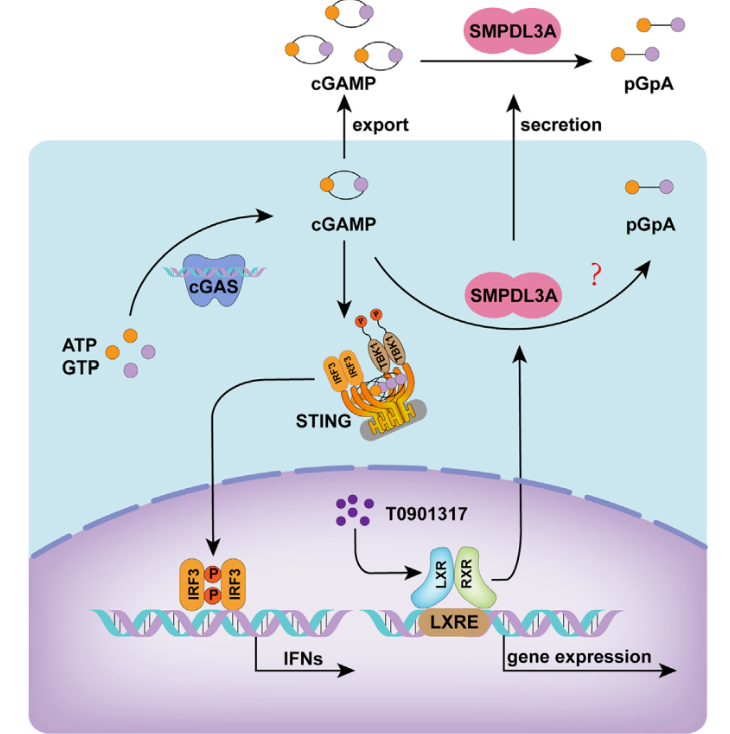
cAMP/cGMP Assay Buffer: A Core Tool for Cyclic Nucleotide Signaling Pathway Research
2026-09-30This article systematically elaborates on the central role of cyclic adenosine monophosphate (cAMP) and cyclic guanosine monophosphate (cGMP) as intracellular second messengers in signal transduction, focusing on the technical characteristics and application systems of cAMP/cGMP detection buffer. It analyzes the functional分工 of cAMP and cGMP in G protein-coupled receptor signaling pathways, kinase activity, and ion channel regulation, and discusses the key technical role of detection buffer in sample lysis, analyte stabilization, and signal detection.
View details
- Signaling Pathway
- cAMP/cGMP assay buffer
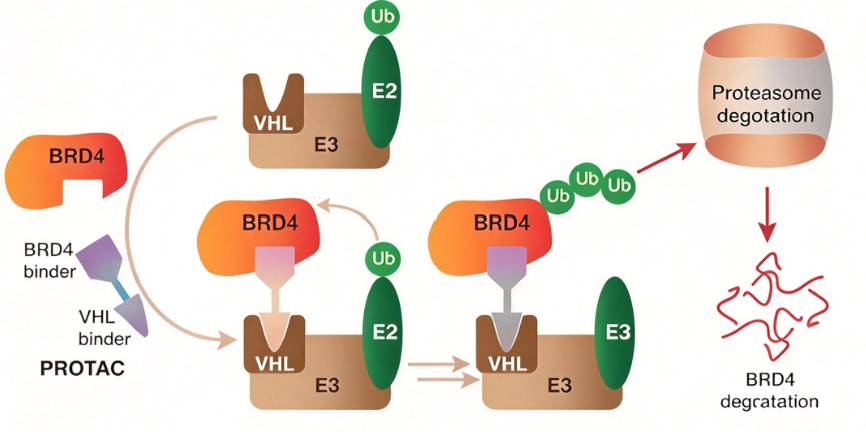
BRD4(BD2)/H4 Binding Assay Kit: From TR-FRET Principle to Isoform-Selective Inhibitor Screening
2026-09-30This article systematically elucidates the molecular characteristics of BRD4's second bromodomain (BD2) recognizing histone H4 acetylation modifications and its functional role in gene transcription regulation and tumorigenesis, centered on the technical principles and application systems of the BRD4(BD2)/H4 binding detection kit. It analyzes the detection principle and signal generation mechanism based on homogeneous time-resolved fluorescence resonance energy transfer (HTRF) technology and explores the application strategies of this kit in the screening of BRD4 isoform-selective inhibitors and high-throughput drug discovery.
View details
- Drug Research
- BRD4(BD2)/H4 Binding Detection Kit
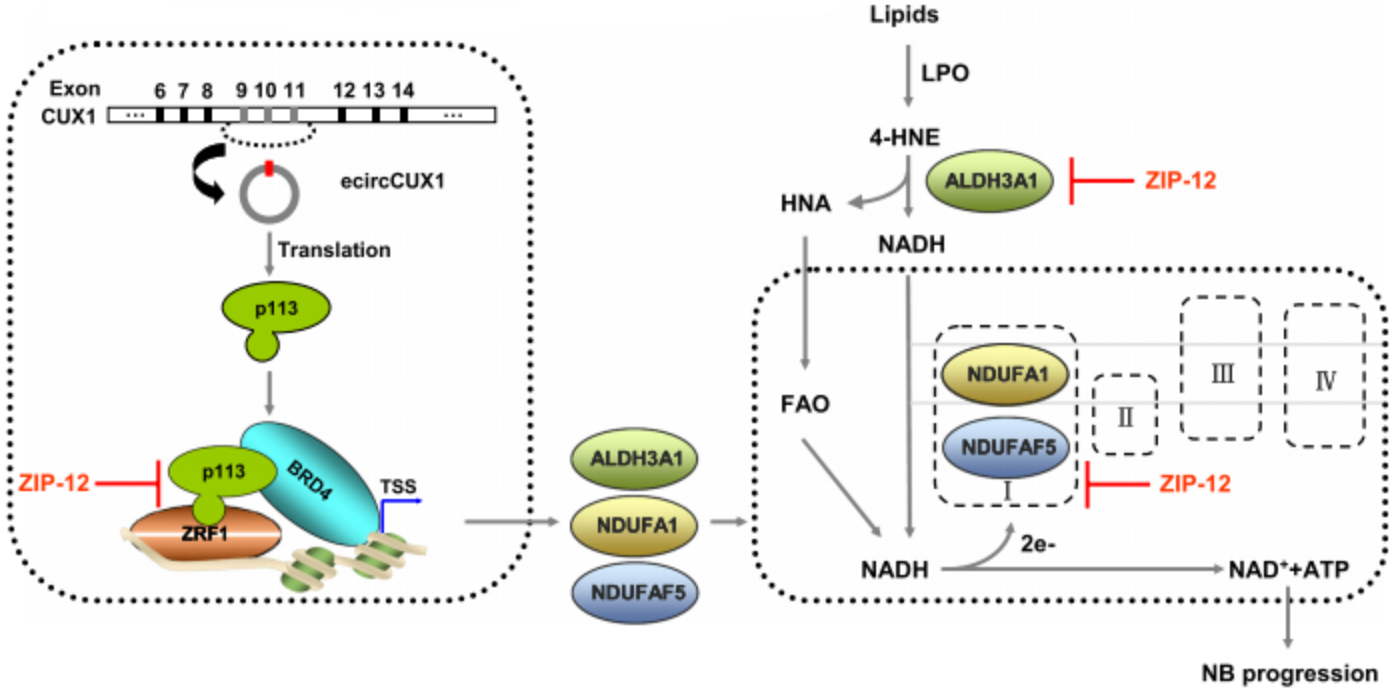
BRD4(BD1)/H4 Binding Assay Kit: From TR-FRET Principle to High-Throughput Screening of Small Molecule Inhibitors
2026-09-30This article systematically elucidates the molecular basis of BRD4 bromodomain recognition of histone H4 acetylation modifications and its central role in gene transcription regulation, focusing on the technical principles and application systems of the BRD4(BD1)/H4 binding detection kit. It analyzes the detection principle and signal generation mechanism based on homogeneous time-resolved fluorescence resonance energy transfer (HTRF) technology and explores the application strategies of this kit in evaluating small molecule-mediated protein-peptide interactions and high-throughput screening.
View details
- Drug Research
- BRD4(BD1)/H4 Binding Assay Kit

ITK/CRBN PROTAC Binding Detection Kit: The Core Tool for Targeted Degradation Research in Sepsis-Associated Neuroinflammation
2026-09-30This article systematically elucidates the molecular mechanism by which ITK participates in sepsis-induced depressive-like behaviors through regulating the Th17/Treg balance, focusing on the pathological role of ITK in sepsis-related neuroinflammation and its potential as a target for degradation research. It analyzes the regulatory role of the ITK signaling pathway in oxidative neuroinflammation and antioxidant defense, and explores the novel approach provided by CRBN-based PROTAC technology for targeted degradation of ITK.
View details
- Drug Research
- ITK/CRBN PROTAC Binding Detection Kit
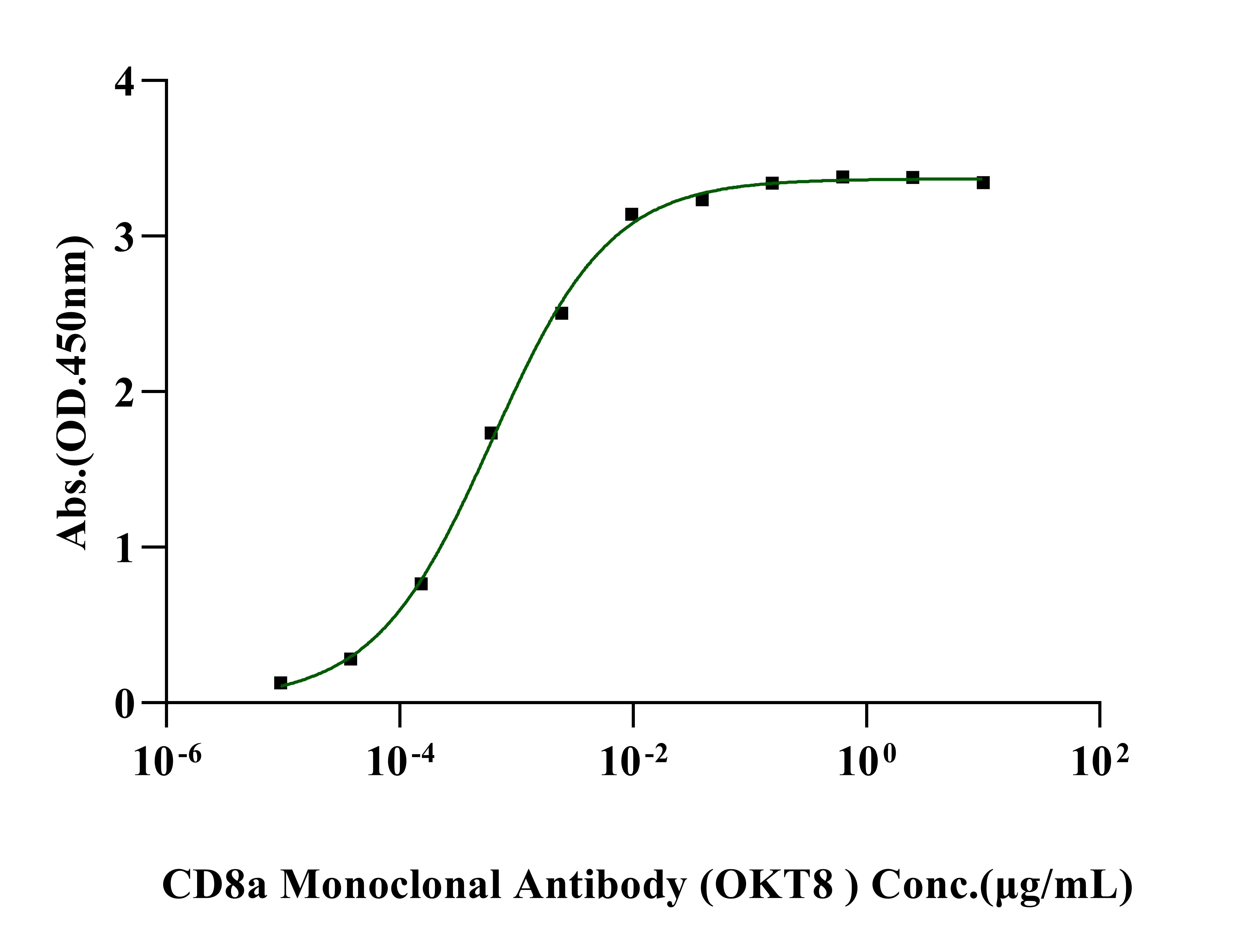
Human CD8alpha-beta Heterodimer: Molecular Features, Species Comparison and Immune Evaluation Review
2026-09-30The human CD8alpha-beta heterodimer is the co-receptor of cytotoxic T cells. This review covers its molecular features, parameter comparison between human and cynomolgus monkey tools, site-specific biotinylation design, and key points of immune evalu
View details
- Immunity/Inflamma
- CD8 alpha beta heterodimer
- CD8A
- CD8B
- human recombinant protein
- biotin labeling
- cross-species
- EC50
- UA016094

From Thymic Graduation to Peripheral Patrol: Three Stations in the Life of a CD8alpha-beta T Cell
2026-09-30The life of a CD8alpha-beta T cell resembles a long patrol: thymic graduation examination, peripheral surveillance and recognition, and response upon alarm. This article dissects the molecular role of the co-receptor at each of the three life stages.
View details
- Immunity/Inflamma
- CD8 alpha beta
- thymic positive selection
- CD8 T cell
- co-receptor
- immunological synapse
- effector T cell
- UA016094

The Banner of Effector T Cells: Human CD8alpha-beta and the Narrative of Tumor Immunity Research
2026-09-30From HIV progression markers to tumor-infiltrating lymphocyte density, and further to immunotherapy response evaluation, this article follows the industry narrative to dissect how human CD8alpha-beta became a common yardstick for effector T cell rese
View details
- Immunity/Inflamma
- human CD8 alpha beta
- CD8A
- CD8B
- tumor-infiltrating lymphocyte
- immunotherapy
- effector T cell
- EC50
- UA016094
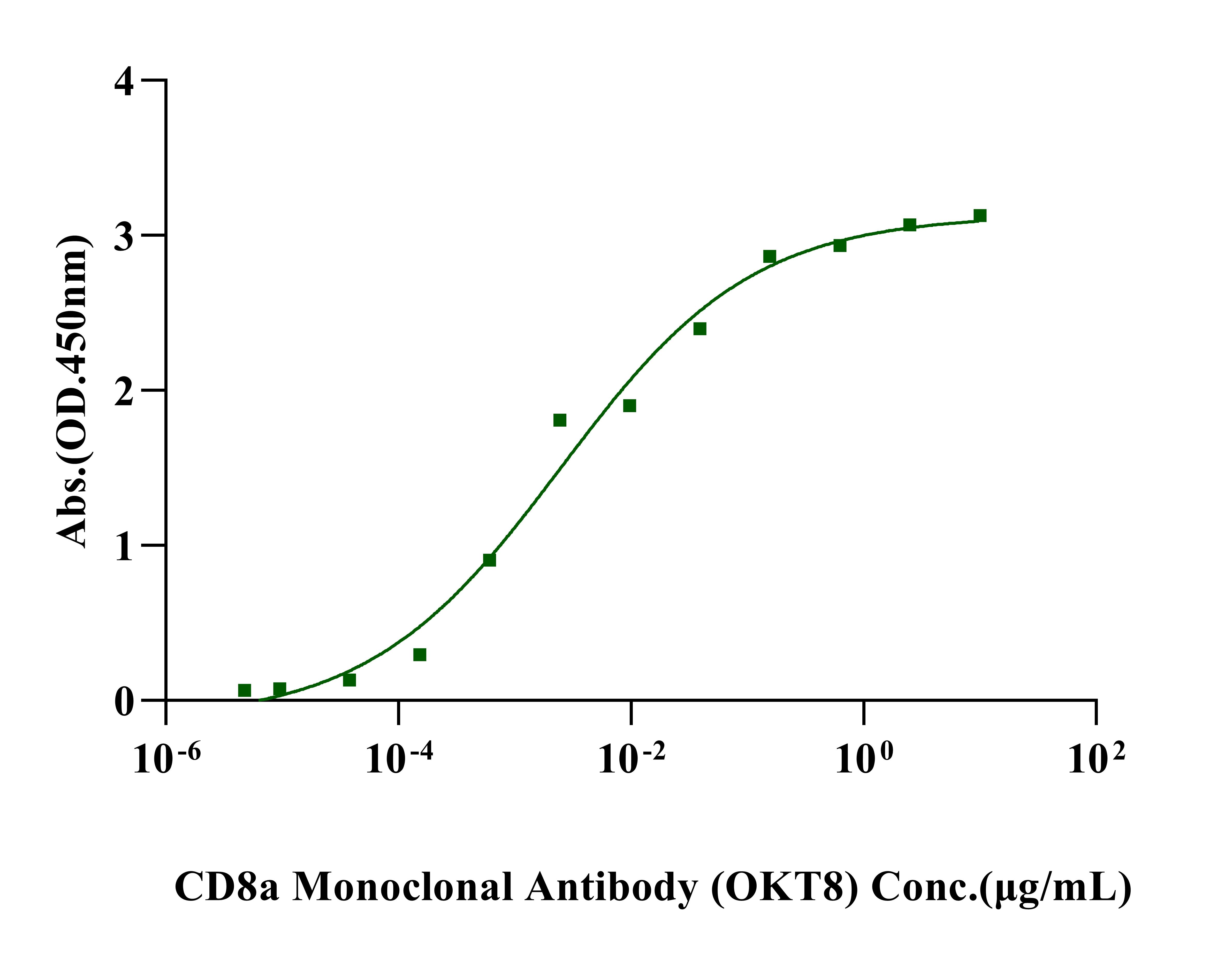
Two Keys to Open the Door: How CD8alpha-beta Cooperates with TCR to Read MHC-I in Three Relays
2026-09-30T cell recognition of target cells works like a two-key access system: TCR is the primary key and CD8alpha-beta is the gatekeeper confirmation. This article breaks down, in three relays, how the co-receptor converts weak and transient recognition int
View details
- Immunity/Inflamma
- CD8 alpha beta
- TCR
- MHC-I
- co-receptor
- Lck
- immunological synapse
- T cell activation
- UA016095

Biotin-labeled CD8alpha-beta Heterodimer: Avidin Platform Tools and Validation Parameters for Co-receptor Studies
2026-09-30Biotin-labeled CD8alpha-beta heterodimer is a core tool for co-receptor binding studies. This article reviews site-specific biotinylation principles, HEK293 recombinant antigen quality control data, ELISA/SPR/BLI platform parameters, and three types
View details
- Immunity/Inflamma
- biotin-labeled CD8 alpha beta
- CD8 alpha beta heterodimer
- Avi Tag
- streptavidin
- ELISA
- SPR
- BLI
- OKT8
- UA016095
- 1
- 2
- 3
- 4
- 5
- 6
- 138

Link:





©2021-2026 all rights reserved UA Biotechnology Co.,Ltd.
Privacy Policy 
网站备案号 浙ICP备2022019033号-2 浙公网安备33010202004867号
 Business license (three certificates in one)
 Tel:+86-25-56221161
E-mail:order@ua-bio.com
All products sold on this website shall not be used for clinical diagnosis or treatment of humans or animals, and shall only be used for non-medical purposes such as industrial or scientific research.