




NADPH detection system: A core technical platform for assessing cellular redox status
Views:9 


This paper systematically elucidates the central role of the NADP⁺/NADPH system as coenzyme II in maintaining cellular redox balance and biosynthesis, and analyzes the scientific rationale for its ratio as a key indicator of oxidative stress.
- Recent Advances
- Product Information
Recent Advances
NADPH Detection System: Core Technical Platform for Assessing Cellular Redox Status
Summary
This article systematically elaborates on the central role of the NADP⁺/NADPH coenzyme II system in maintaining cellular redox balance and biosynthesis, analyzing the scientific basis for its ratio as a key indicator of oxidative stress.
This article systematically elaborates on the central role of the NADP⁺/NADPH coenzyme II system in maintaining cellular redox balance and biosynthesis, analyzing the scientific basis for its ratio as a key indicator of oxidative stress.
1. Biological Significance of the NADP⁺/NADPH Coenzyme System
Nicotinamide adenine dinucleotide phosphate (NADP⁺/NADPH) is one of the two core coenzyme systems in cells, playing an irreplaceable role in driving cellular life activities. Coenzyme I (NAD⁺/NADH) primarily governs energy metabolism, with its redox state serving as a key indicator of cellular energy levels and metabolic health. In contrast, coenzyme II (NADP⁺/NADPH) governs biosynthesis and antioxidant defense, maintaining cellular redox homeostasis.
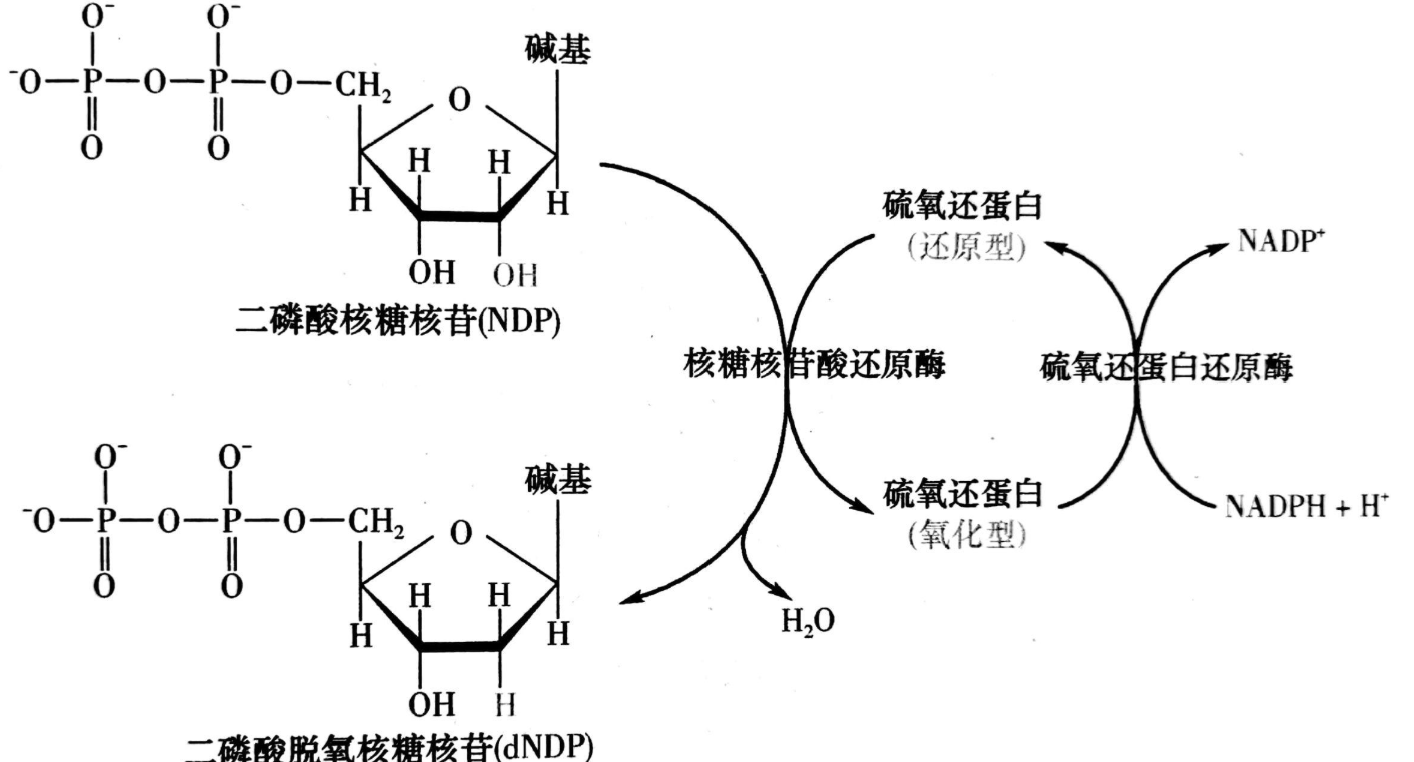
As the primary carrier of reducing equivalents, NADPH plays a central role in de novo fatty acid synthesis, nucleic acid synthesis, and the maintenance of glutathione reductase. In animal cells, the oxidative phase of the pentose phosphate pathway is the most significant source of NADPH. By providing electrons, NADPH supports reductive biosynthetic reactions and helps maintain the reduced state of key antioxidant systems such as glutathione and thioredoxin, thereby protecting cells from oxidative damage.
2. Scientific Basis for NADP⁺/NADPH Ratio as an Oxidative Stress Marker
Under normal conditions, the NADP⁺/NADPH ratio remains in a dynamic equilibrium, reflecting the fundamental characteristics of the cellular redox environment. When cells experience oxidative stress, NADPH is heavily consumed to scavenge reactive oxygen species and maintain antioxidant system function, leading to an increase in the NADP⁺/NADPH ratio. Conversely, changes in this ratio can also reflect metabolic reprogramming when cellular metabolic states alter. Therefore, measuring the NADP⁺/NADPH ratio is a critical indicator of oxidative stress status, widely used to assess redox state changes in cells, tissues, or animal models.
3. Technical Principles and Core Advantages of the NADPH Detection System
To meet the demand for quantitative detection of NADP⁺/NADPH, bioluminescence technology offers a highly sensitive and operationally convenient solution. The core principle of the NADPH detection system (e.g., UA-Glo® NAD(P)H Detection System) based on firefly luciferase-coupled reactions is as follows: in the presence of NAD(P)H, a reductase converts a luciferase precursor substrate into luciferin, which then generates luminescent signals proportional to the NAD(P)H concentration under the catalysis of luciferase. This detection system has the following key features:
High Sensitivity and Broad Linear Range. The detection limit can reach nanomolar levels (25 nM), with a linear range covering 25 nM to 50 μM, suitable for samples with varying NADPH concentrations.
High Selectivity. The system specifically detects only the reduced forms NADH and NADPH, while the oxidized forms NAD⁺ and NADP⁺ are not detected and do not interfere with quantitative results, eliminating background interference from oxidized coenzymes in samples.
Homogeneous Single-Reagent Operation. The simple "add-mix-detect" protocol requires no purification steps and is compatible with 96-well, 384-well, and 1536-well plate formats, making it suitable for high-throughput screening applications.
4. Applications of the NADPH Detection System
In high-throughput drug screening, this system can be used to evaluate the effects of compounds on NADPH metabolism-related enzymes (e.g., glucose-6-phosphate dehydrogenase, malic enzyme, etc.), enabling rapid screening of potential metabolic modulators. In basic research, the system can quantitatively measure NADPH levels in cell or tissue lysates to assess oxidative stress levels or metabolic flux changes. In disease mechanism studies, it can analyze NADPH level variations in pathological models related to redox imbalance, such as obesity, diabetes, and neurodegenerative diseases. In enzyme activity assays, the system serves as a coupled detection system for measuring enzymatic reactions where NADPH is a substrate or product (e.g., G6PD activity assays).
5. Conclusion
As a core regulator of cellular redox balance, the accurate quantification of NADP⁺/NADPH is of significant value for understanding cellular metabolic states and disease mechanisms. The NADPH detection system based on bioluminescence technology, with its high sensitivity, selectivity, and operational convenience, provides an efficient and reliable technical platform for oxidative stress research and drug discovery. To meet the research needs for precise NADP⁺/NADPH detection, UA-Glo® NAD(P)H Detection System is offered, suitable for applications in basic research and drug discovery.
Disclaimer: This article partially utilizes artificial intelligence assistance in its creation. If any content involves copyright or intellectual property issues, please let us know and we promise to verify and remove it as soon as possible.
Purchase recombinant protein, choose Nanjing UA-Bio
UA protein focuses on providing various protein reagents, raw materials, and services required for drug research and development, cell therapy, gene therapy, and basic scientific research, including drug target proteins, immune checkpoint proteins, cytokines, tool enzymes, customized protein expression, and full-length transmembrane protein development. Youai is committed to providing customers with high-quality products and professional services, and building a High-tech Biological Enterprise with International Competitiveness.
Target proteins | membrane proteins | cytokines | enzymes | viral antigens | protein customization
Nanjing UA Biotechnology Co., Ltd. Email:order@ua-bio.com Phone:+86-25-56221161

Product Information

Link:





©2021-2026 all rights reserved UA Biotechnology Co.,Ltd.
Privacy Policy 
网站备案号 浙ICP备2022019033号-2 浙公网安备33010202004867号
 Business license (three certificates in one)
 Tel:+86-25-56221161
E-mail:order@ua-bio.com
All products sold on this website shall not be used for clinical diagnosis or treatment of humans or animals, and shall only be used for non-medical purposes such as industrial or scientific research.
