

Prolactin receptor-mediated signaling network and its dual roles in physiology and pathology


This article systematically elaborates on the molecular structural characteristics of prolactin (PRL) and its synthetic sources in various extra-pituitary tissues, analyzes the molecular diversity of its receptor PRLR, signal transduction mechanisms, and pleiotropic roles in the immune system, reproductive system, and cancer development. On this basis, it introduces the detection and application value of soluble PRLR recombinant protein in related research.
- Recent Advances
- Product Information
Prolactin Receptor-Mediated Signaling Network and Its Dual Roles in Physiology and Pathology
Summary: This article systematically elaborates on the molecular structural characteristics of prolactin (PRL) and its synthetic sources in various tissues beyond the pituitary gland. It analyzes the molecular diversity of its receptor PRLR, signal transduction mechanisms, and pleiotropic effects in the immune system, reproductive system, and cancer development. Additionally, it introduces the application value of soluble PRLR recombinant proteins in related research.
1. Molecular Characteristics and Tissue Sources of Prolactin.
Prolactin is a peptide hormone regulated by the hypothalamic-pituitary-adrenal axis, synthesized and secreted by lactotrophs in the anterior pituitary. It has a molecular weight of approximately 23 kDa, with a mature form consisting of 199 amino acid residues. Under physiological conditions, the secretion of pituitary PRL is strongly inhibited by hypothalamic dopamine, ensuring baseline PRL levels remain within an appropriate range.
However, PRL is not merely a pituitary hormone. Numerous studies have confirmed that PRL is also locally synthesized in the central nervous system, immune system (including the thymus, spleen, and lymph nodes), uterus, decidua related to pregnancy, and mammary tissues. This broad tissue distribution suggests that PRL exerts a variety of biological functions beyond lactation regulation.
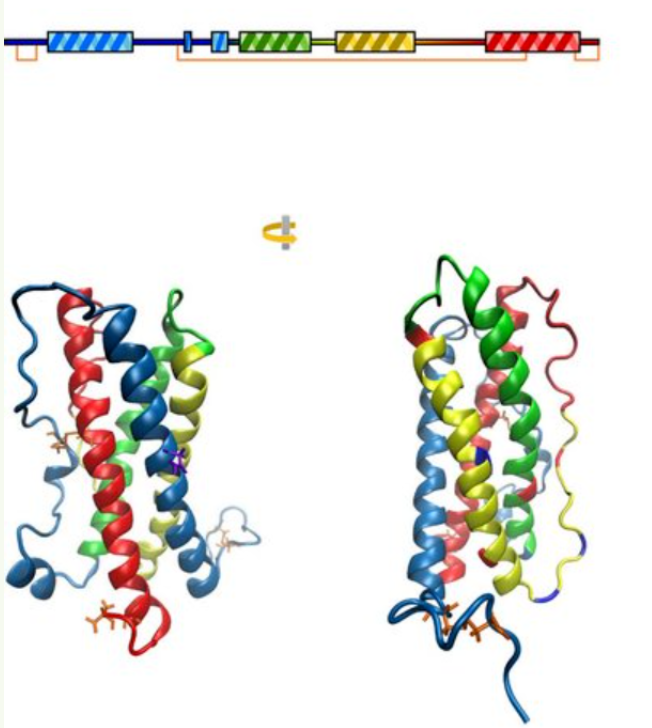
2. Structural Features and Molecular Diversity of Prolactin Receptors.
Prolactin initiates signal transduction by binding to the prolactin receptor (PRLR) on the cell surface. PRLR is a member of the type I cytokine/hematopoietic receptor superfamily, with a protein structure composed of three main functional domains: the extracellular ligand-binding domain (ECD), the single transmembrane helical domain (TMD), and the intracellular signal transduction domain (ICD). This family of receptors shares key structural features, such as the N-terminal ligand-binding domain in the extracellular region, the transmembrane region, and the conserved Box1 and Box2 motifs in the intracellular region, which are crucial for JAK kinase binding and activation.
A notable feature of PRLR is its molecular diversity. Through alternative splicing mechanisms, PRLR can generate multiple isoforms, including long, short, and intermediate subtypes. These subtypes share the same extracellular ligand-binding region but differ in the length and sequence composition of the intracellular domain. The long receptor contains complete Box1 and Box2 motifs and additional tyrosine phosphorylation sites, enabling efficient activation of downstream signaling pathways. In contrast, short receptors lack part of the intracellular sequence, resulting in differences in signal transduction efficiency and function. This isoform diversity allows PRL to produce differentiated signaling outputs and biological effects in different tissues and physiological conditions.
3. Tissue Distribution and Signal Transduction Mechanisms of Prolactin Receptors.
PRLR is widely expressed in the body. In the immune system, PRLR is expressed in monocytes, lymphocytes (including T cells and B cells), macrophages, natural killer cells (NK cells), granulocytes, and thymic epithelial cells. In the reproductive system, PRLR is expressed in the mammary glands, ovaries, uterus, and testes. Additionally, PRLR expression can be detected in the liver, kidneys, pancreas, adrenal glands, and various regions of the central nervous system.
Upon binding of PRL to PRLR, the receptor undergoes conformational changes, leading to the aggregation of two receptor molecules and subsequent activation of Janus kinases bound to the Box1 motif in the intracellular region of the receptor. In most cell types, Jak2 is the primary activated kinase. Activated Jak2 further phosphorylates specific tyrosine residues in the intracellular domain of the receptor, providing anchoring sites for signaling molecules containing Src homology 2 (SH2) domains. Depending on the cellular environment, PRLR primarily activates two classical signaling pathways: the Jak2/STAT5 pathway and the Jak1/STAT3 pathway. Moreover, through the activation of Src family kinases and focal adhesion kinase (FAK), PRL signaling can also induce the activation of the PI3K/Akt and Raf/MEK/ERK cascades.
4. Pleiotropic Functions of Prolactin in Physiology and Pathology.
At the physiological level, PRL is best known for its classic function in promoting lactation during the breastfeeding period—maintaining the synthesis and secretion of milk by mammary alveolar epithelial cells. Additionally, PRL is involved in regulating metabolism (affecting lipogenesis and glucose metabolism), skin and hair follicle cycles, bone homeostasis (balancing bone formation and resorption), maternal behavior, and adrenal cortical function.
At the pathological level, numerous studies have linked abnormal expression of PRL and PRLR to various diseases. In autoimmune diseases, PRL has been shown to modulate immune cell activity, promoting the production of autoantibodies by autoreactive B cells. In oncology, excessive activation of the PRL/PRLR axis is closely associated with the development and progression of malignancies such as breast cancer, prostate cancer, ovarian cancer, pancreatic cancer, and endometrial cancer—acting through autocrine or paracrine mechanisms to promote tumor cell proliferation, migration, and invasion.
5. Application Value of Soluble PRLR Recombinant Proteins.
Given the central role of the PRL/PRLR axis in physiological and pathological processes, PRLR has become an important target for basic research and drug development. Soluble PRLR recombinant proteins have application value at multiple levels: they can serve as tool molecules for studying the molecular details of PRL-PRLR binding; in ELISA or surface plasmon resonance (SPR)-based detection platforms, they can be used to evaluate the blocking activity of candidate drugs or antibodies targeting this axis; and they can be used in the development of immunoassays to quantitatively detect PRL levels in samples.
6. Conclusion.
The signaling axis formed by prolactin and its receptor, from its classic endocrine regulation in the pituitary to local autocrine/paracrine actions in various peripheral tissues, represents a highly complex biological network. The molecular diversity and widespread distribution of PRLR, along with its flexibility in activating multiple signaling pathways, enable PRL to exert multiple effects ranging from lactation and metabolism to immune regulation and tumorigenesis. Recombinant protein tools that accurately mimic the extracellular domain conformation of native PRLR provide essential support for in-depth analysis of the molecular mechanisms of this signaling axis and the development of targeted intervention strategies. U爱 offers Prolactin R/PRLR Fc Chimera Protein, Human, which fuses the extracellular domain of human PRLR with the IgG1 Fc fragment, suitable for blocking analysis of PRL/PRLR binding, screening of anti-PRLR antibodies, and functional studies related to PRLR.
Disclaimer: This article partially utilizes artificial intelligence assistance in its creation. If any content involves copyright or intellectual property issues, please let us know and we promise to verify and remove it as soon as possible.
Purchase recombinant protein, choose Nanjing UA-Bio
UA protein focuses on providing various protein reagents, raw materials, and services required for drug research and development, cell therapy, gene therapy, and basic scientific research, including drug target proteins, immune checkpoint proteins, cytokines, tool enzymes, customized protein expression, and full-length transmembrane protein development. Youai is committed to providing customers with high-quality products and professional services, and building a high-tech enterprise with international competitiveness.







 Business license (three certificates in one)