




Disease characteristics, diagnostic strategies, and treatment principles of MOGAD
Author: Senior Product Manager of UA Views:34 


This article systematically elaborates on the molecular basis of MOG as a myelin component in the central nervous system and the demyelination process mediated by its autoantibodies, focusing on the pathological mechanisms and clinical features of MOG antibody-associated disease (MOGAD). It also analyzes the disease's incidence across different age groups, the diversity of clinical manifestations, and the patterns of recurrence.
- Recent Advances
- Product Information
Recent Advances
Disease Characteristics, Diagnostic Strategies, and Treatment Principles of MOGAD
Overview
This article systematically elucidates the molecular basis of myelin oligodendrocyte glycoprotein (MOG) as a component of central nervous system myelin and the demyelination process mediated by its autoantibodies, analyzing the disease's incidence, diverse clinical manifestations, and recurrence patterns across different age groups.
This article systematically elucidates the molecular basis of myelin oligodendrocyte glycoprotein (MOG) as a component of central nervous system myelin and the demyelination process mediated by its autoantibodies, analyzing the disease's incidence, diverse clinical manifestations, and recurrence patterns across different age groups.
I. Molecular Basis of MOG and Pathogenesis of MOGAD
Myelin oligodendrocyte glycoprotein (MOG) is a type I transmembrane glycoprotein expressed by oligodendrocytes and localized to the outermost layer of central nervous system myelin, belonging to the immunoglobulin superfamily. MOG constitutes an extremely small fraction of myelin proteins (less than 0.05%). However, due to its exposure on the myelin surface and orientation toward the extracellular space, it becomes a susceptible target for immune system attacks. When immune regulation is disrupted, plasma cells secrete MOG-IgG autoantibodies. These antibodies bind to MOG, activating complement cascades and antibody-dependent cellular cytotoxicity, leading to partial myelin loss and triggering inflammatory demyelinating diseases of the central nervous system. The pathological features of MOGAD differ from those of multiple sclerosis and neuromyelitis optica spectrum disorders—MOGAD exhibits relatively localized myelin damage with partial preservation of the inner myelin structure, which may explain its milder clinical symptoms compared to NMOSD.
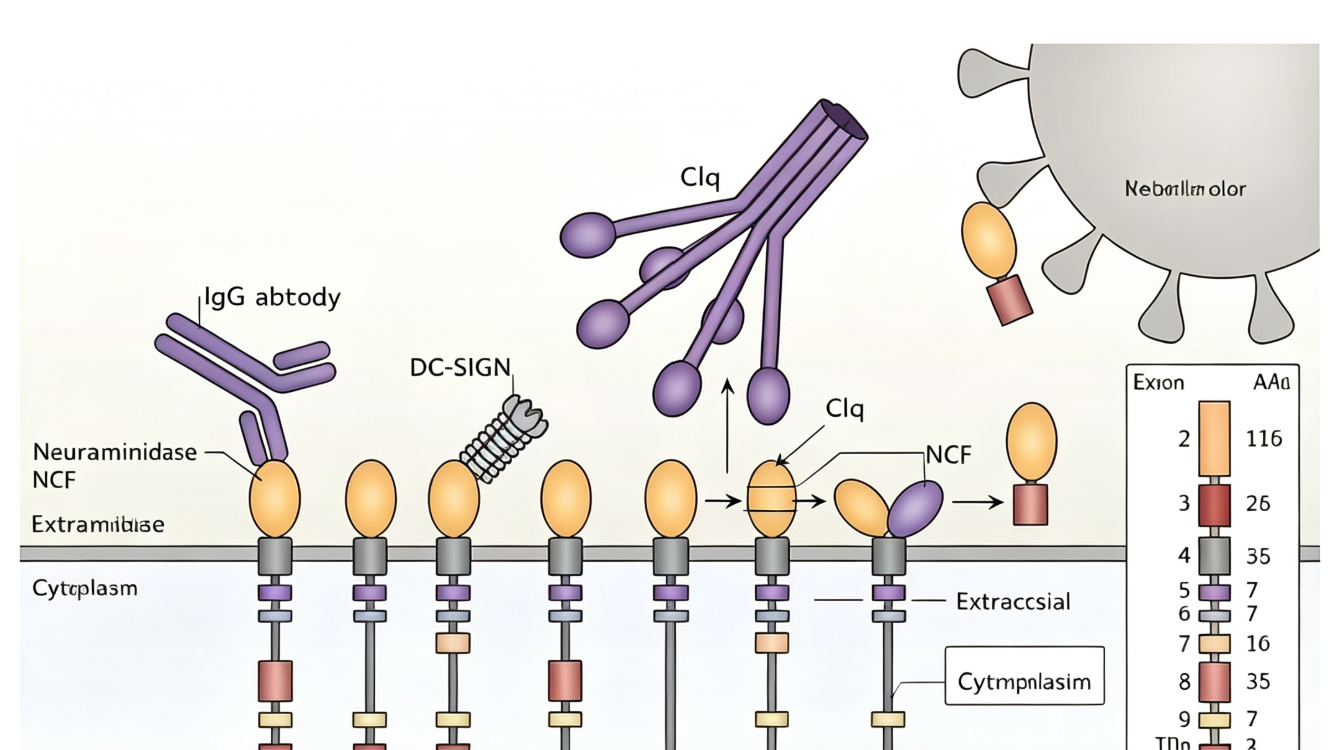
II. Epidemiological Characteristics and Age Distribution of MOGAD
MOGAD has a wide age range of onset, with reported cases ranging from infants under 1 year to elderly individuals aged 90. The median age of onset in Western countries is approximately 31 years, while epidemiological data in Asian populations remain insufficient. In children, the incidence of MOGAD is relatively higher, with no significant gender difference. In adults, the male-to-female ratio is approximately 1:2 to 1:1, with a slight predominance in females. Some patients may have preceding infections or vaccinations as triggers, suggesting that external immune stimuli may initiate or exacerbate autoimmune responses.
III. Clinical Spectrum of MOGAD
MOGAD can present with a monophasic or relapsing course, with relapsing forms more common in adults. Lesions can widely involve the central nervous system, resulting in diverse clinical manifestations, including optic neuritis, myelitis, meningoencephalitis, and brainstem encephalitis, which may occur singly or in combination. Additionally, MOGAD can manifest as lumbosacral radiculopathy, tumor-like demyelinating lesions, or isolated aseptic meningitis. The clinical phenotype of MOGAD shows significant age-related patterns—pediatric patients often present with acute disseminated encephalomyelitis-like symptoms, while adults more commonly exhibit optic neuritis and myelitis. MOGAD frequently mimics other central nervous system demyelinating diseases, such as clinically isolated syndrome, multiple sclerosis, neuromyelitis optica spectrum disorders, and acute disseminated encephalomyelitis, complicating clinical differential diagnosis.
IV. Diagnostic Strategies for MOGAD
Since there are no characteristic clinical symptoms that directly indicate MOGAD, MOG-IgG antibody testing is the cornerstone of diagnosis. International consensus recommends using cell-based assays (CBA) to detect MOG-IgG. This method employs engineered cells expressing full-length human MOG to detect antibodies targeting conformational epitopes, offering higher disease specificity compared to ELISA or Western blot. Diagnosis requires both seropositivity for MOG-IgG and corresponding clinical manifestations, with antibody positivity being an essential prerequisite.
V. Treatment Principles and Long-Term Management of MOGAD
For patients with their first episode of MOGAD, the decision to initiate long-term immunomodulatory therapy requires individualized assessment. Clinically, it is recommended to retest MOG-IgG 3 to 6 months after acute-phase treatment: if the antibody becomes negative, immunomodulators may be withheld, and corticosteroids can be gradually tapered over approximately one year; if the antibody remains positive, considering that adult MOGAD has a relapse rate of nearly 50%, a comprehensive evaluation of the affected areas, severity of the initial episode, treatment response, and antibody titers should be conducted. For patients with severe residual symptoms after the first episode, immunomodulators are advised, and corticosteroids may be maintained for 1 to 1.5 years. Acute-phase treatment primarily involves high-dose methylprednisolone pulse therapy, to which most patients respond well; for those with poor response to steroids, intravenous immunoglobulin or plasma exchange may be considered. Patients with relapsing disease require long-term follow-up, with treatment adjustments based on disease activity.
VI. Conclusion
As an inflammatory demyelinating disease of the central nervous system mediated by MOG-IgG, MOGAD exhibits a broad clinical spectrum that often overlaps with other demyelinating diseases, posing diagnostic challenges. MOG-IgG antibody testing is the core basis for diagnosis, and MOG protein, as a critical antigen in the detection system, plays a decisive role in the performance and reliability of diagnostic reagents. A deeper understanding of the pathogenesis and clinical features of MOGAD will help optimize diagnostic strategies and treatment plans, improving patient outcomes.
In the diagnosis and basic research of MOGAD, high-quality human MOG recombinant protein is a core tool for the development and quality control of MOG-IgG antibody detection methods. To meet this research need, UniLove offers MOG(1-125) Protein, Human, suitable for establishing and validating MOG-IgG detection methods in cell-based assays (CBA), basic research on MOG antigen structure and immunogenicity, and quality control of MOGAD-related diagnostic reagents.
This article is reviewed and published by the technical expert team of UA
Disclaimer: This article partially utilizes artificial intelligence assistance in its creation. If any content involves copyright or intellectual property issues, please let us know and we promise to verify and remove it as soon as possible.
Purchase recombinant protein, choose Nanjing UA-Bio
UA protein focuses on providing various protein reagents, raw materials, and services required for drug research and development, cell therapy, gene therapy, and basic scientific research, including drug target proteins, immune checkpoint proteins, cytokines, tool enzymes, customized protein expression, and full-length transmembrane protein development. Youai is committed to providing customers with high-quality products and professional services, and building a High-tech Biological Enterprise with International Competitiveness.
Target proteins | membrane proteins | cytokines | enzymes | viral antigens | protein customization
Nanjing UA Biotechnology Co., Ltd. Email:order@ua-bio.com Phone:+86-25-56221161

Product Information

Link:





©2021-2026 all rights reserved UA Biotechnology Co.,Ltd.
Privacy Policy 
网站备案号 浙ICP备2022019033号-2 浙公网安备33010202004867号
 Business license (three certificates in one)
 Tel:+86-25-56221161
E-mail:order@ua-bio.com
All products sold on this website shall not be used for clinical diagnosis or treatment of humans or animals, and shall only be used for non-medical purposes such as industrial or scientific research.
