




The neuroprotective and tissue-repairing functions of FGF-10 in ischemic stroke
Author: Senior Product Manager of UA Views:14 


This article systematically elucidates the molecular basis of the neuroprotective effects of FGF-10 in the treatment of ischemic stroke, highlighting its multiple mechanisms, including suppressing neuroinflammation, preserving blood-brain barrier integrity, and promoting angiogenesis.
- Recent Advances
- Product Information
Recent Advances
Neuroprotective and Tissue Repair Functions of FGF-10 in Ischemic Stroke
Overview
This article systematically elaborates on the potential value of FGF-10 in the treatment of ischemic stroke, highlighting its neuroprotective mechanisms through multiple pathways, including suppression of neuroinflammation, preservation of blood-brain barrier integrity, and promotion of angiogenesis.
This article systematically elaborates on the potential value of FGF-10 in the treatment of ischemic stroke, highlighting its neuroprotective mechanisms through multiple pathways, including suppression of neuroinflammation, preservation of blood-brain barrier integrity, and promotion of angiogenesis.
1. Therapeutic Challenges in Ischemic Stroke and the Opportunity Presented by the FGF Family.
Ischemic stroke is one of the leading causes of death and long-term disability worldwide, with its pathological process beginning with local cerebral ischemia and hypoxia due to vascular occlusion. Currently, the only approved thrombolytic drug has a narrow treatment window of 3 to 4.5 hours, and in reality, the majority of patients miss this opportunity due to delayed hospital arrival. Neurons in the ischemic core undergo irreversible death within minutes, while the surrounding penumbra region faces secondary damage from inflammatory cascades, blood-brain barrier disruption, and apoptosis. Therefore, developing a drug that is not time-limited and can simultaneously block multiple pathways of brain injury has become an urgent need in stroke research.
Members of the fibroblast growth factor (FGF) family have emerged as promising candidates due to their multifaceted roles in neuroprotection, anti-inflammation, and vascular repair. Among them, FGF-10, with its unique biological functions, has demonstrated protective effects in animal models of ischemic brain injury, attracting significant research attention.
2. Molecular Characteristics and Tissue Distribution of FGF-10.
FGF-10 consists of approximately 208 amino acid residues, with a molecular structure featuring a β-trefoil core domain formed by 12 antiparallel β-strands. Compared to other FGF members, FGF-10 exhibits unique receptor-binding specificity—it primarily binds with high affinity to the FGFR2 IIIb isoform, which is predominantly expressed on epithelial cell surfaces, determining the targeting specificity of FGF-10.
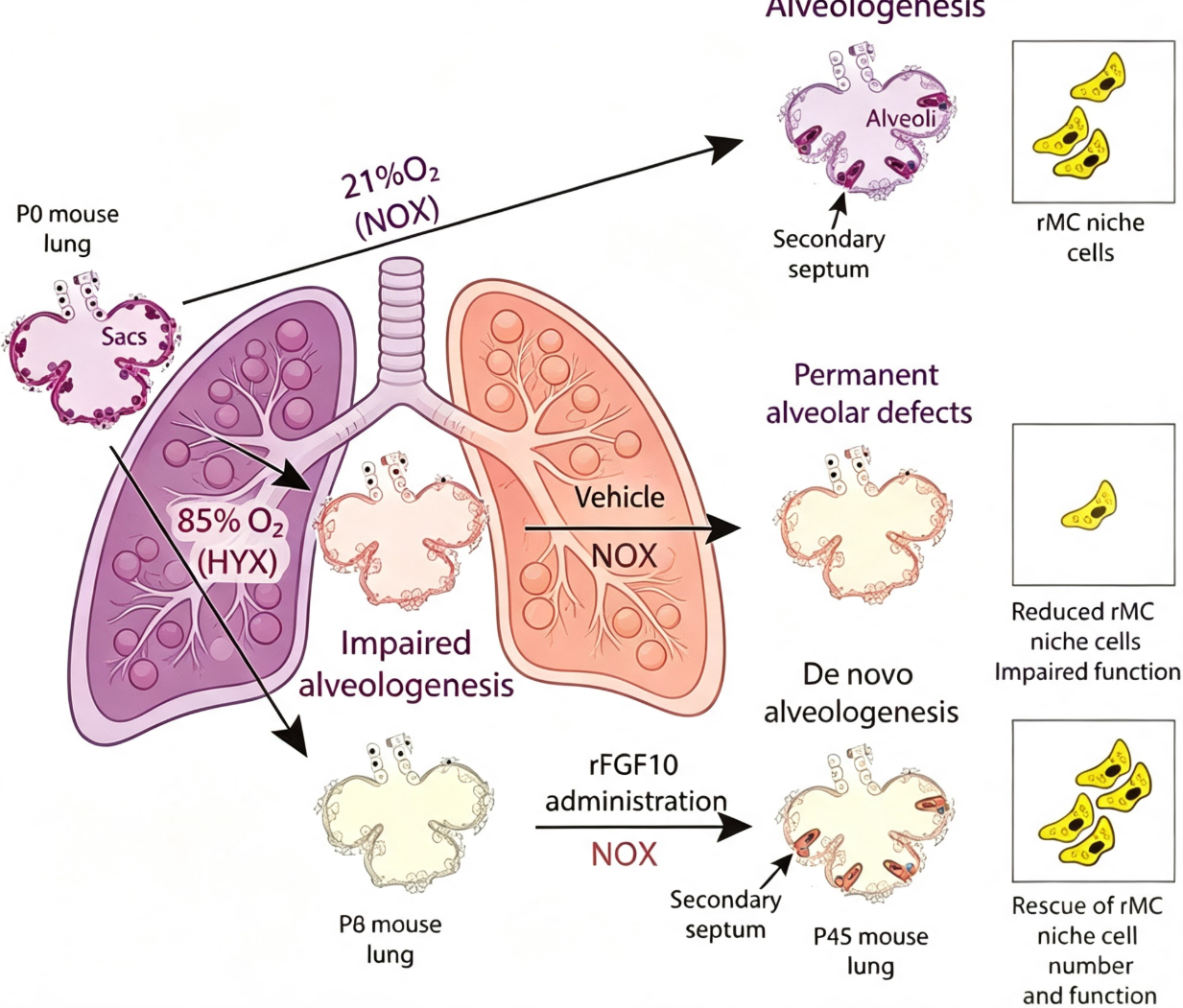
Under normal physiological conditions, FGF-10 is expressed in various tissues, including the lungs, gastrointestinal tract, skin, bones, and the central nervous system. In the brain, FGF-10 is mainly expressed in neurons and certain glial cells, where it participates in neurodevelopment and synaptic plasticity regulation. FGF-10 knockout mice exhibit severe defects in limb and lung development, leading to postnatal death due to respiratory failure, underscoring the indispensable role of FGF-10 in embryonic organ formation.
3. Multifaceted Protective Mechanisms of FGF-10 in Cerebral Ischemia.
In the pathological process of ischemic stroke, FGF-10 exerts neuroprotective effects through multiple pathways. In terms of anti-inflammation, FGF-10 can block inflammatory signals released by neurons, reducing the levels of pro-inflammatory cytokines such as IL-6 and TNF-α in the brains of ischemic mice, thereby preventing sustained inflammatory damage to brain tissue. Regarding blood-brain barrier protection, FGF-10 upregulates the expression of tight junction proteins ZO-1 and occludin, helping to maintain the tight connections between vascular endothelial cells and inhibiting the RhoA pathway to reduce vascular permeability, thereby alleviating cerebral edema. Additionally, FGF-10 stimulates endothelial cell proliferation by activating the PI3K/Akt signaling pathway, promoting angiogenesis in the peri-infarct region and restoring blood supply to ischemic brain tissue.
4. Conclusion.
With its multifaceted functions in anti-inflammation, blood-brain barrier protection, and angiogenesis, FGF-10 has demonstrated significant potential for neuroprotection and tissue repair in preclinical studies of ischemic stroke. Although the translation from animal experiments to clinical applications still faces challenges such as delivery efficiency, dosage optimization, and safety assessment, FGF-10, as a multi-target repair factor, offers a new perspective for overcoming the limitations of current thrombolytic therapies. High-quality rat-derived recombinant FGF-10 protein serves as a critical tool for in-depth exploration of its molecular mechanisms in cerebral ischemia and optimization of delivery strategies.
In basic research and drug screening related to FGF-10, high-quality rat-derived recombinant FGF-10 protein is essential for neuronal culture, signaling pathway analysis, and animal model studies. To meet this research demand, UniLove offers FGF-10 Protein, Rat, which is suitable for studies on ischemic-hypoxic injury in rat primary neurons and glial cells, exploration of FGFR2 signaling pathways, and optimization of FGF-10 administration methods and dosages in animal models of cerebral ischemia.
This article is reviewed and published by the technical expert team of UA
Disclaimer: This article partially utilizes artificial intelligence assistance in its creation. If any content involves copyright or intellectual property issues, please let us know and we promise to verify and remove it as soon as possible.
Purchase recombinant protein, choose Nanjing UA-Bio
UA protein focuses on providing various protein reagents, raw materials, and services required for drug research and development, cell therapy, gene therapy, and basic scientific research, including drug target proteins, immune checkpoint proteins, cytokines, tool enzymes, customized protein expression, and full-length transmembrane protein development. Youai is committed to providing customers with high-quality products and professional services, and building a High-tech Biological Enterprise with International Competitiveness.
Target proteins | membrane proteins | cytokines | enzymes | viral antigens | protein customization
Nanjing UA Biotechnology Co., Ltd. Email:order@ua-bio.com Phone:+86-25-56221161

Product Information

Link:





©2021-2026 all rights reserved UA Biotechnology Co.,Ltd.
Privacy Policy 
网站备案号 浙ICP备2022019033号-2 浙公网安备33010202004867号
 Business license (three certificates in one)
 Tel:+86-25-56221161
E-mail:order@ua-bio.com
All products sold on this website shall not be used for clinical diagnosis or treatment of humans or animals, and shall only be used for non-medical purposes such as industrial or scientific research.
