




H-2K(d)/IYSTVASSL influenza HA tetramer: A core tool for antigen-specific CD8+ T cell detection
Author: Senior Product Manager of UA Views:13 


This article focuses on the core requirements of detecting influenza virus HA antigen-specific T cells, systematically elaborates on the principles of MHC tetramer technology and its application value in antiviral immunity research, and provides a detailed introduction to the origin and characteristics of the H-2K(d)-restricted IYSTVASSL epitope peptide.
- Recent Advances
- Product Information
Recent Advances
H-2K(d)/IYSTVASSL Influenza HA Tetramer: A Core Tool for Antigen-Specific CD8+ T Cell Detection
Summary
This article systematically elaborates on the principles of MHC tetramer technology and its application value in antiviral immunity research, focusing on the core requirements for detecting influenza virus HA antigen-specific T cells. It provides a detailed introduction to the origin and characteristics of the H-2K(d)-restricted IYSTVASSL epitope peptide.
This article systematically elaborates on the principles of MHC tetramer technology and its application value in antiviral immunity research, focusing on the core requirements for detecting influenza virus HA antigen-specific T cells. It provides a detailed introduction to the origin and characteristics of the H-2K(d)-restricted IYSTVASSL epitope peptide.
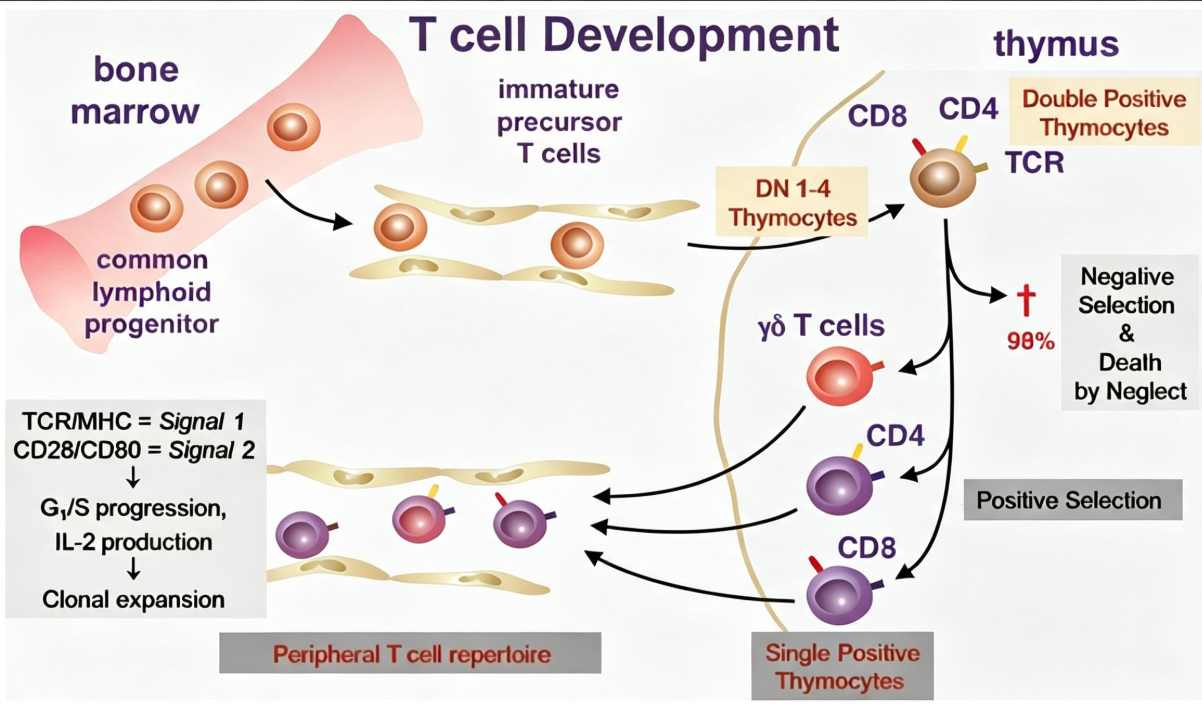
I. Technical Requirements for Antigen-Specific T Cell Detection
T cell-mediated immune responses play a central role in antiviral immunity. Accurately identifying and quantitatively analyzing virus antigen-specific CD8⁺ T cells is a critical technical step in deciphering antiviral immune mechanisms, evaluating vaccine efficacy, and monitoring post-infection immune status. Traditional functional assays such as ELISPOT and intracellular cytokine staining, while capable of reflecting T cell functional states, cannot directly determine the frequency and phenotype of antigen-specific T cells. The development of MHC tetramer technology has provided a powerful tool for the direct visualization and quantitative analysis of antigen-specific T cells, advancing the field of viral immunology research.
II. Core Principles of MHC Tetramer Technology
The core principle of tetramer technology is based on the specific recognition of TCR and MHC-antigen peptide complexes. Biotinylated monomeric MHC-antigen peptide complexes are mixed with fluorescently labeled streptavidin in an optimized ratio. The four biotin-binding sites of streptavidin can simultaneously bind four MHC monomers, forming a stable tetramer structure. This tetramer structure significantly enhances the affinity for antigen-specific TCR binding through multivalent effects, enabling stable labeling of antigen-specific CD8⁺ T cells. Combined with flow cytometry, the labeled cells can be precisely characterized and quantified. Additionally, by co-staining with other surface markers, the phenotypic characteristics, differentiation states, and functional subsets of antigen-specific T cells can be further explored.
III. Molecular Characteristics of the H-2K(d)/IYSTVASSL Influenza HA Epitope Peptide
IYSTVASSL is a nonapeptide derived from amino acids 533 to 541 of the hemagglutinin protein of influenza A virus PR8 strain (H1N1) and is an identified H-2K(d)-restricted immunodominant CTL epitope. HA is the most abundant surface glycoprotein on the influenza virus envelope, responsible for viral binding to host cell receptors and membrane fusion. After viral infection, the HA protein is taken up and processed by antigen-presenting cells, during which the IYSTVASSL epitope can form a stable complex with H-2K(d) molecules and be presented on the cell surface, subsequently recognized by TCRs of specific CD8⁺ T cells, initiating adaptive immune responses.
H-2K(d) is an allele of the murine MHC class I molecule, primarily found in inbred mouse strains such as BALB/c, DBA/2, and NOD. BALB/c mice are one of the most commonly used animal models in influenza virus infection and vaccine research, making H-2K(d)-based tetramers widely applicable.
IV. Applications of H-2K(d)/IYSTVASSL Tetramer in Influenza Research
Applications in Influenza Virus Infection Models. Influenza virus infection is a classic model for studying acute viral infections. Using strains such as PR8 to infect H-2K(d) haplotype mice, researchers can employ this tetramer to monitor the dynamic changes of HA-specific CD8⁺ T cells during infection, including clonal expansion during the acute phase, acquisition of effector functions, apoptotic clearance during the contraction phase, and the formation and maintenance of memory T cells. This method allows direct detection of antigen-specific T cell frequencies in the respiratory tract, lymphoid organs, and peripheral blood, providing crucial data for understanding the spatiotemporal dynamics of antiviral immune responses.
Applications in T Cell Immune Memory Research. After the acute infection phase, this tetramer can be used to detect long-lived HA-specific memory T cells. Combined with memory markers such as CD62L, CD127, and KLRG1 staining, it can further distinguish different subsets, including central memory T cells, effector memory T cells, and tissue-resident memory T cells. By tracking the dynamic changes of these subsets and their response characteristics upon reinfection, the regulatory mechanisms of memory T cell differentiation and maintenance can be deeply explored.
Applications in Vaccine Immunogenicity Evaluation. A core goal of influenza vaccine development is to induce durable and broad-spectrum antiviral immune responses. This tetramer provides a direct detection tool for vaccine immunogenicity evaluation. Researchers used HA-specific tetramers to detect frequency changes of HA-specific CD8⁺ T cells in 26 healthy influenza vaccine recipients, observing a 2- to 5-fold increase in HA-specific T cell frequency on day 7 post-vaccination in 15 donors, indicating that subunit influenza vaccines can induce HA-specific CD8⁺ T cell responses.
V. Conclusion
The H-2K(d)/IYSTVASSL influenza HA tetramer provides a standardized detection tool for anti-influenza immune response research. From clonal expansion of effector T cells during acute infection to the differentiation and maintenance of memory T cells, and further to the evaluation of vaccine immune efficacy, this tetramer plays an indispensable role at multiple research levels. With the continuous advancement of flow cytometry and multiparameter analysis technologies, MHC tetramers represented by this product will continue to provide critical technical support for the elucidation of antiviral immune mechanisms and vaccine development.
To address the aforementioned research needs in influenza virus immunology, UA offers the UA-MHC H-2K(d)/IYSTVASSL Influenza HA Tetramer-PE Labelled. This tetramer is assembled from biotinylated H-2K(d)/IYSTVASSL complexes and PE-labeled streptavidin, enabling specific recognition of H-2K(d)-restricted HA epitope-specific CD8⁺ T cells. The product is suitable for analyzing antigen-specific CD8⁺ T cells in murine influenza virus infection models, evaluating influenza vaccine immunogenicity, and studying T cell memory differentiation, among other experimental scenarios. Pre-experiments are recommended to determine the optimal staining concentration, with light-protected operations throughout the process.
This article is reviewed and published by the technical expert team of UA
Disclaimer: This article partially utilizes artificial intelligence assistance in its creation. If any content involves copyright or intellectual property issues, please let us know and we promise to verify and remove it as soon as possible.
Purchase recombinant protein, choose Nanjing UA-Bio
UA protein focuses on providing various protein reagents, raw materials, and services required for drug research and development, cell therapy, gene therapy, and basic scientific research, including drug target proteins, immune checkpoint proteins, cytokines, tool enzymes, customized protein expression, and full-length transmembrane protein development. Youai is committed to providing customers with high-quality products and professional services, and building a High-tech Biological Enterprise with International Competitiveness.
Target proteins | membrane proteins | cytokines | enzymes | viral antigens | protein customization
Nanjing UA Biotechnology Co., Ltd. Email:order@ua-bio.com Phone:+86-25-56221161

Product Information

Link:





©2021-2026 all rights reserved UA Biotechnology Co.,Ltd.
Privacy Policy 
网站备案号 浙ICP备2022019033号-2 浙公网安备33010202004867号
 Business license (three certificates in one)
 Tel:+86-25-56221161
E-mail:order@ua-bio.com
All products sold on this website shall not be used for clinical diagnosis or treatment of humans or animals, and shall only be used for non-medical purposes such as industrial or scientific research.
