




The Dual Role of IFN-γ: A Double-Edged Sword Effect in Tumor Immunity
Views:12 


This article focuses on the complex role of interferon-gamma (IFN-γ) in tumor immunity, systematically elucidating its anti-tumor mechanisms mediated through activating immune cells, promoting antigen presentation, and inducing chemokine production, while also analyzing its pro-tumor effects under specific conditions, such as inducing immune cell apoptosis, upregulating immune checkpoint molecules, and promoting angiogenesis.
- Recent Advances
- Product Information
Recent Advances
The Dual Role of IFN-γ: A Double-Edged Sword in Tumor Immunity
Summary
This article systematically elaborates on the complex functions of interferon-gamma (IFN-γ) in tumor immunity, detailing its anti-tumor mechanisms mediated through immune cell activation, antigen presentation, and chemokine production, while also analyzing its pro-tumor effects under specific conditions, such as inducing immune cell apoptosis, upregulating immune checkpoint molecules, and promoting angiogenesis.
This article systematically elaborates on the complex functions of interferon-gamma (IFN-γ) in tumor immunity, detailing its anti-tumor mechanisms mediated through immune cell activation, antigen presentation, and chemokine production, while also analyzing its pro-tumor effects under specific conditions, such as inducing immune cell apoptosis, upregulating immune checkpoint molecules, and promoting angiogenesis.
I. Molecular Characteristics and Immunological Significance of IFN-γ
Interferon-gamma (IFN-γ) is a critical Th1-type cytokine produced by activated T cells (including CD8+ cytotoxic T cells and CD4+ helper T cells), natural killer (NK) cells, and NKT cells. As the sole member of the type II interferon family, IFN-γ binds to its cell surface receptor (IFNGR, composed of IFNGR1 and IFNGR2 subunits) to activate the JAK-STAT signaling pathway, thereby regulating the expression of hundreds of downstream genes. In tumor immunity, IFN-γ exhibits a remarkable duality—its anti-tumor and pro-tumor effects depend on the microenvironment, concentration, and target cell type.
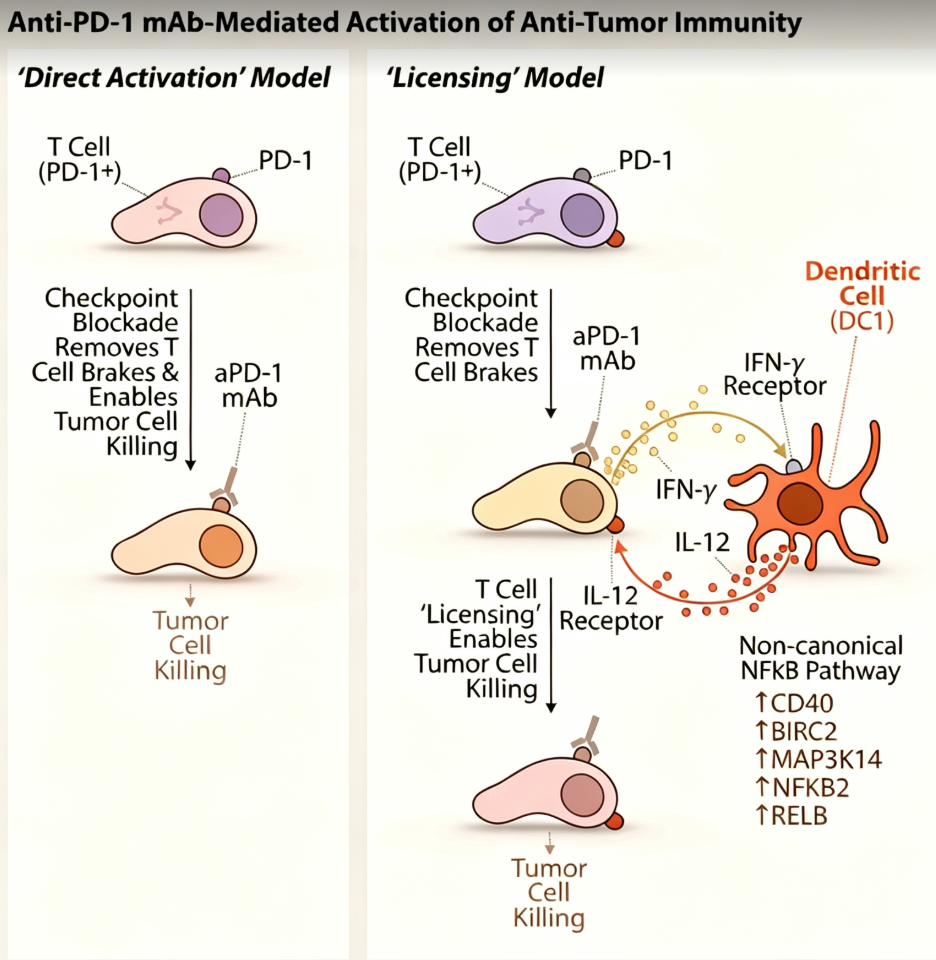
II. Anti-tumor Mechanisms of IFN-γ: The Core Driver of Immune Activation
IFN-γ is an indispensable effector molecule in anti-tumor immune responses. First, IFN-γ upregulates the expression of MHC class I and II molecules on antigen-presenting cells (including dendritic cells, macrophages, and B cells), enhancing tumor antigen presentation efficiency and promoting CD8+ T cell recognition and killing of tumor cells. Studies show that IFN-γ induces NLRC5 and CIITA expression via the STAT1 and IRF1 pathways, respectively, regulating the transcription of MHC class I and II molecules.
Second, IFN-γ induces the expression of chemokines CXCL9, CXCL10, and CXCL11, promoting the recruitment of T cells and NK cells into the tumor microenvironment. IFN-γ also drives dendritic cell differentiation into the cDC1 phenotype, facilitating Th1 cell differentiation and CD8+ T cell activation.
For NK cells, IFN-γ enhances tumor infiltration by inducing CXCR3 expression and boosts their cytotoxic activity. Additionally, IFN-γ promotes antibody class switching in B cells to IgG2a, enhancing antibody-dependent cellular cytotoxicity.
III. Pro-tumor Mechanisms of IFN-γ: A Catalyst for Immune Suppression and Tumor Progression
Under specific conditions, IFN-γ can mediate significant pro-tumor effects. In T cell self-regulation, IFN-γ induces apoptosis of activated effector T cells via the Fas-FasL and BIM-mediated pathways, limiting the size of the memory T cell pool. In immune checkpoint antibody therapy, IFN-γ-induced activation-induced cell death may restrict effector memory formation, leading to tumor escape.
In terms of immune inhibitory molecule induction, IFN-γ upregulates PD-L1 and PD-L2 expression on various cell types (including tumor cells, dendritic cells, and macrophages), mediating T cell exhaustion. IDO1, another key inhibitory molecule induced by IFN-γ, promotes Treg differentiation and the establishment of an immunosuppressive microenvironment by depleting tryptophan and generating pro-inflammatory metabolites.
In tumor cells themselves, IFN-γ can induce iNOS expression, promoting angiogenesis and tumor growth. IFN-γ may also induce FasL expression in tumor cells, triggering apoptosis of effector immune cells.
IV. Clinical Implications and Application Strategies of IFN-γ Duality
The dual effects of IFN-γ highlight key principles for precision immunotherapy design. In clinical applications, combined assessment of IFN-γ levels, tumor burden, IFNGR expression, and T cell infiltration status may help identify patients who would benefit most from immune checkpoint inhibitor therapy.
Optimization strategies targeting the IFN-γ signaling axis include: evaluating tumor burden and T cell infiltration status before immune checkpoint therapy; combining blockade of IFN-γ-induced negative feedback pathways (e.g., PD-L1 or IDO1 pathways); designing biased chemokine receptor ligands to selectively activate CXCL9/CXCL10-mediated anti-tumor signaling while avoiding CXCL11's pro-tumor effects. Temporal dynamics regulation of IFN-γ signaling pathways may also enhance anti-tumor efficacy.
V. Conclusion
As a core regulator of tumor immune responses, IFN-γ's dual anti-tumor and pro-tumor effects reveal the complexity of interactions between the immune system and tumors. Understanding the mechanisms underlying IFN-γ's functional switching in different cell types and microenvironments is crucial for optimizing existing immunotherapies and developing novel combination therapies. Recombinant mouse IFN-γ protein, as a vital tool for basic research, will continue to advance the in-depth exploration of IFN-γ signaling pathways and related immunoregulatory mechanisms.
In IFN-γ-related basic research and drug screening, high-quality recombinant mouse IFN-γ protein is essential for immune cell activation experiments, signaling pathway analysis, and in vivo animal model studies. To meet this research demand, U-APEX offers IFN-γ Protein, Mouse, suitable for activating and studying mouse immune cells (e.g., T cells, NK cells, and macrophages), exploring IFN-γ/JAK-STAT signaling mechanisms, and immunomodulation research in animal models.
Disclaimer: This article partially utilizes artificial intelligence assistance in its creation. If any content involves copyright or intellectual property issues, please let us know and we promise to verify and remove it as soon as possible.
Purchase recombinant protein, choose Nanjing UA-Bio
UA protein focuses on providing various protein reagents, raw materials, and services required for drug research and development, cell therapy, gene therapy, and basic scientific research, including drug target proteins, immune checkpoint proteins, cytokines, tool enzymes, customized protein expression, and full-length transmembrane protein development. Youai is committed to providing customers with high-quality products and professional services, and building a High-tech Biological Enterprise with International Competitiveness.
Target proteins | membrane proteins | cytokines | enzymes | viral antigens | protein customization
Nanjing UA Biotechnology Co., Ltd. Email:order@ua-bio.com Phone:+86-25-56221161

Product Information

Link:





©2021-2026 all rights reserved UA Biotechnology Co.,Ltd.
Privacy Policy 
网站备案号 浙ICP备2022019033号-2 浙公网安备33010202004867号
 Business license (three certificates in one)
 Tel:+86-25-56221161
E-mail:order@ua-bio.com
All products sold on this website shall not be used for clinical diagnosis or treatment of humans or animals, and shall only be used for non-medical purposes such as industrial or scientific research.
