




CCL25: A Key Chemokine for T Cell Homing in Mucosal Immunity and the Tumor Microenvironment
Author: Senior Product Manager of UA Views:4 


This article focuses on the molecular characteristics and biological functions of the chemokine CCL25 (TECK), systematically elaborating its pivotal role as a member of the CC chemokine family in thymic development and mucosal immunity. It analyzes the mechanism by which CCL25 mediates the homing of T-cell precursors to the thymus and the directed migration of lymphocytes to the intestinal mucosa through the CCR9 receptor.
- Recent Advances
- Product Information
Recent Advances
CCL25: A Key Chemokine in Mucosal Immunity and T Cell Homing within the Tumor Microenvironment
Overview
This article focuses on the molecular characteristics and biological functions of the chemokine CCL25 (TECK), systematically elucidating its central role as a member of the CC chemokine family in thymic development and mucosal immunity. It analyzes the mechanism by which CCL25 mediates the homing of T cell precursors to the thymus and the directional migration of lymphocytes to the small intestinal mucosa through the CCR9 receptor.
This article focuses on the molecular characteristics and biological functions of the chemokine CCL25 (TECK), systematically elucidating its central role as a member of the CC chemokine family in thymic development and mucosal immunity. It analyzes the mechanism by which CCL25 mediates the homing of T cell precursors to the thymus and the directional migration of lymphocytes to the small intestinal mucosa through the CCR9 receptor.
I. Molecular Characteristics and Structural Basis of CCL25
C-C motif chemokine ligand 25 (CCL25), also known as thymus-expressed chemokine (TECK), is a structurally unique and functionally important member of the CC chemokine family. The human CCL25 gene is located on chromosome 19q13.33. Its precursor protein consists of 150 amino acid residues, and after proteolytic cleavage of the N-terminal signal peptide (approximately 22 amino acids), it forms a mature secreted protein of 127 amino acid residues with a molecular weight of approximately 14.2 kDa.
In terms of molecular structure, CCL25 exhibits the typical chemokine fold, characterized by an N-terminal loop region, three antiparallel β-sheet strands, and a C-terminal α-helix. Its primary structure contains four highly conserved cysteine residues at positions 24, 25, 46, and 65, forming two intramolecular disulfide bonds (Cys24-Cys46 and Cys25-Cys65), which are crucial for maintaining the stability of the protein's tertiary structure and its receptor-binding activity. The N-terminal region (amino acid residues 6-10) of CCL25 is the key site for its binding to the CCR9 receptor, and amino acid substitutions in this region significantly affect its chemotactic activity. In terms of amino acid sequence homology, CCL25 shares approximately 39% homology with CCL28 and 38% with CCL27, forming a structurally and functionally related subgroup within the chemokine family.
II. Tissue Expression Profile and Receptor Specificity of CCL25
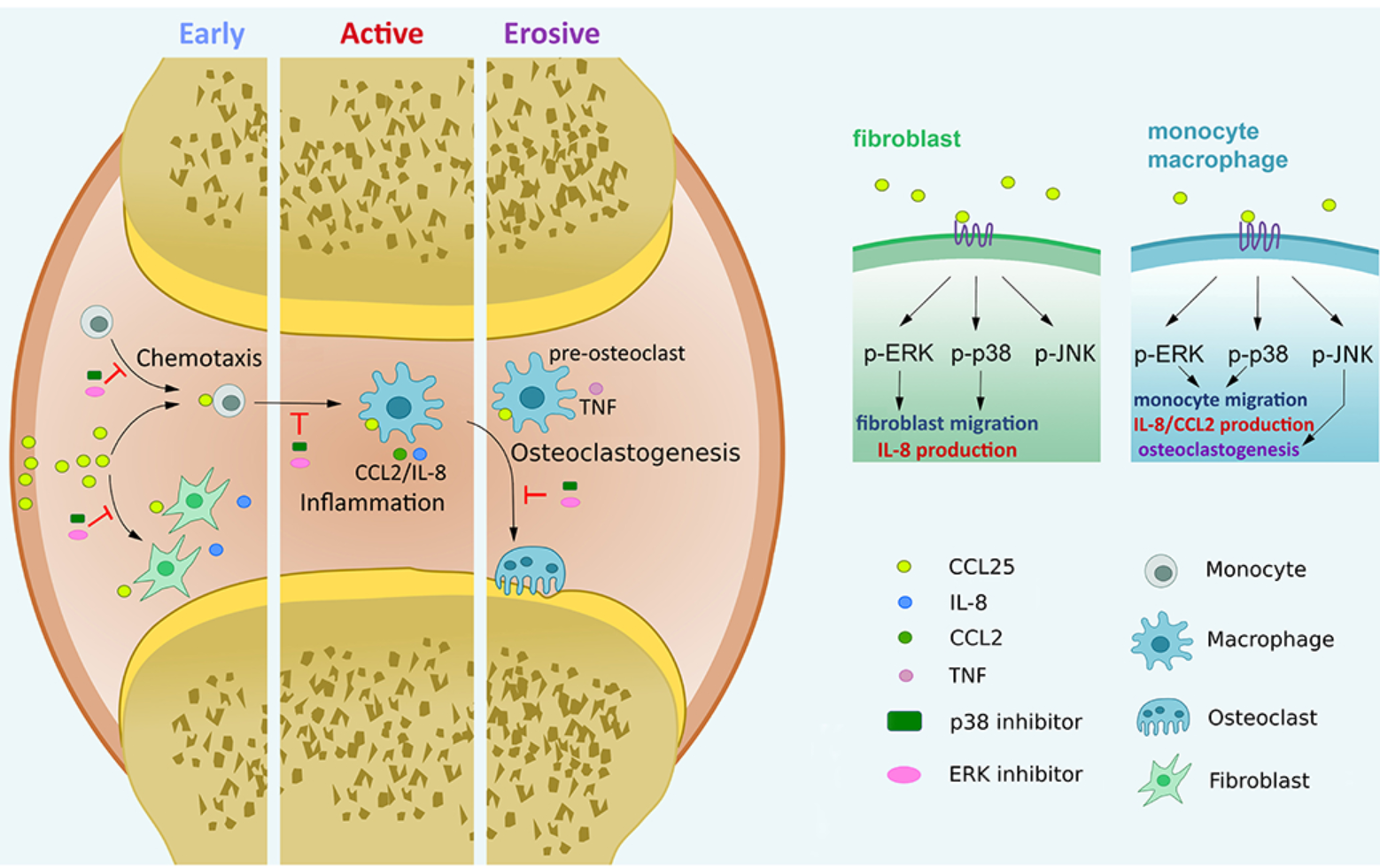
CCL25 expression exhibits high tissue specificity, a feature closely related to its immune functions in specific anatomical sites. CCL25 is most abundantly expressed in the thymus, where it is secreted by cortical and medullary epithelial cells, dendritic cells, and thymic corpuscles, playing an indispensable regulatory role in the migration, positive selection, and maturation of T cell precursors within the thymus. In the intestinal mucosa, CCL25 is primarily expressed by villous and crypt epithelial cells of the small intestine (particularly the duodenum and jejunum), with some expression also observed in colonic epithelial cells, contributing to the maintenance of intestinal mucosal immune homeostasis. Additionally, low levels of CCL25 expression can be detected in the liver, kidneys, and prostate, although its physiological functions in these tissues remain incompletely understood. CCL25 expression can be upregulated by inflammatory signals (e.g., TNF-α, IFN-γ), and its expression range and tissue distribution may expand further under chronic inflammatory conditions.
The only known functional receptor for CCL25 is CCR9 (C-C motif chemokine receptor 9), a seven-transmembrane G protein-coupled receptor. CCR9 is expressed on CD4⁺CD8⁺ double-positive thymocytes and CD8⁺ single-positive thymocytes, peripheral blood CD8⁺ T cells and some CD4⁺ T cells with gut-homing potential, and B cells and dendritic cells in the lamina propria and Peyer's patches of the small intestine. The binding affinity between CCL25 and CCR9 is in the nanomolar range, with a dissociation constant of approximately 0.1-0.5 nM, ensuring effective cell migration at physiological concentrations.
III. Physiological Functions of the CCL25/CCR9 Axis
The CCL25/CCR9 signaling axis plays multiple critical roles in the development and functional execution of the immune system. In thymic T cell development, the CCL25/CCR9 axis guides CD4⁻CD8⁻ double-negative thymocytes from the corticomedullary junction to the thymic cortex, promoting the survival and proliferation of T cell precursors. During positive selection, it facilitates interactions between double-positive thymocytes and thymic epithelial cells, ensuring that thymocytes with appropriate TCR affinity receive survival signals.
In intestinal mucosal immunity, the CCL25/CCR9 axis is the key chemotactic signal mediating the directional homing of CCR9⁺ lymphocytes to the small intestinal epithelium, serving as an essential mechanism for maintaining gut immune homeostasis. Under inflammatory conditions, CCL25 can recruit CCR9⁺ regulatory T cells to the site of inflammation, limiting excessive immune responses through mechanisms involving IL-10 and TGF-β.
IV. Pathological Significance of CCL25 in Disease
In tumor immunity, the CCL25/CCR9 axis is closely related to the recruitment and functional regulation of T cells within the tumor microenvironment. In ovarian cancer, CCL25 secreted by tumor cells and cancer-associated fibroblasts recruits CCR9⁺ regulatory T cells to the tumor site, creating an immunosuppressive microenvironment that inhibits local anti-tumor immune responses and is associated with poor patient prognosis. In melanoma, CCL25 expression levels are negatively correlated with the degree of CD8⁺ T cell infiltration within the tumor. In inflammatory bowel diseases (Crohn's disease and ulcerative colitis), upregulated CCL25 expression in intestinal epithelial cells promotes excessive recruitment of CCR9⁺ pathogenic T cells to the intestinal mucosa, contributing to the persistence and exacerbation of intestinal inflammation.
V. Conclusion
As a highly tissue-specific member of the chemokine family, CCL25 holds a significant position in immunological research due to its central regulatory roles in thymic T cell development and intestinal mucosal immune homeostasis. Its pathological mechanisms—mediating Treg recruitment in the tumor microenvironment and participating in the homing of pathogenic T cells in inflammatory bowel diseases—make it an emerging therapeutic target in tumor immunity and autoimmune diseases. Recombinant human CCL25 protein provides critical support for in-depth analysis of the CCL25/CCR9 signaling axis and related drug development.
In CCL25-related basic research and drug screening, high-quality recombinant human CCL25 protein is a core tool for chemotactic function analysis, receptor binding studies, and drug screening. To meet these research needs, Uni offers TECK/CCL25 Protein, Human, suitable for applications such as CCL25-CCR9 binding activity analysis, lymphocyte chemotaxis studies, and in vitro screening and evaluation of antibodies or small-molecule drugs targeting the CCL25/CCR9 axis.
This article is reviewed and published by the technical expert team of UA
Disclaimer: This article partially utilizes artificial intelligence assistance in its creation. If any content involves copyright or intellectual property issues, please let us know and we promise to verify and remove it as soon as possible.
Purchase recombinant protein, choose Nanjing UA-Bio
UA protein focuses on providing various protein reagents, raw materials, and services required for drug research and development, cell therapy, gene therapy, and basic scientific research, including drug target proteins, immune checkpoint proteins, cytokines, tool enzymes, customized protein expression, and full-length transmembrane protein development. Youai is committed to providing customers with high-quality products and professional services, and building a High-tech Biological Enterprise with International Competitiveness.
Target proteins | membrane proteins | cytokines | enzymes | viral antigens | protein customization
Nanjing UA Biotechnology Co., Ltd. Email:order@ua-bio.com Phone:+86-25-56221161

Product Information

Link:





©2021-2026 all rights reserved UA Biotechnology Co.,Ltd.
Privacy Policy 
网站备案号 浙ICP备2022019033号-2 浙公网安备33010202004867号
 Business license (three certificates in one)
 Tel:+86-25-56221161
E-mail:order@ua-bio.com
All products sold on this website shall not be used for clinical diagnosis or treatment of humans or animals, and shall only be used for non-medical purposes such as industrial or scientific research.
