




Technical Articles
cytokines
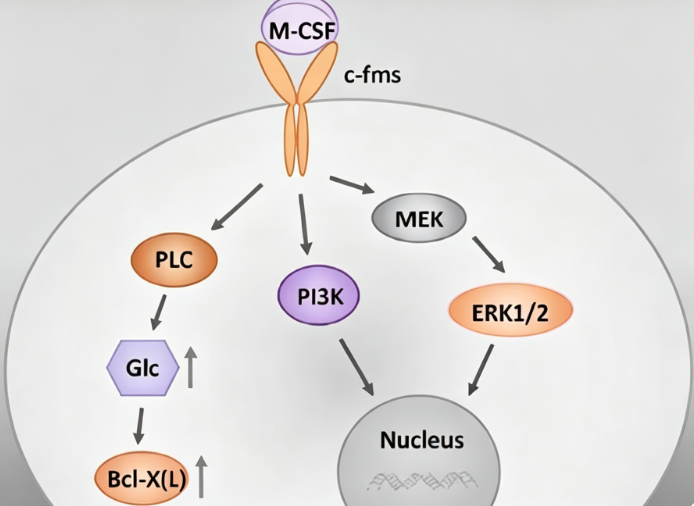
M-CSF: The Core Factor in Macrophage Differentiation and Tumor Microenvironment Regulation
 2026-09-03
This article focuses on the molecular characteristics and biological functions of macrophage colony-stimulating factor (M-CSF), systematically elaborating its core regulatory role in the differentiation of monocyte-macrophage lineage and the maintenance of tissue-resident macrophages through the M-CSF receptor signaling pathway. It further analyzes its critical position in the polarization and functional regulation of tumor-associated macrophages and explores the impact of M-CSF signaling blockade on tumor angiogenesis, metastasis, and treatment resistance.
View details
- Cell Biology
- osteoclasts
- cytokines
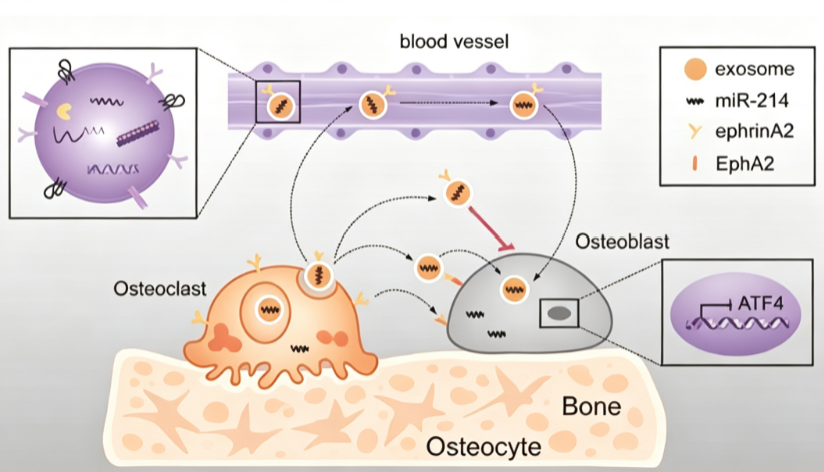
Osteoclast differentiation and functional regulation: from physiological bone remodeling to pathological therapeutic targets
2026-09-03This article systematically elucidates the physiological functions of osteoclasts in bone remodeling through the secretion of acids and hydrolytic enzymes for bone resorption, focusing on their molecular characteristics and functional regulatory mechanisms. It provides an in-depth analysis of the pivotal regulatory roles of the RANKL/RANK signaling axis and various cytokines (such as M-CSF and IL-6) in osteoclast differentiation, and explores their pathological significance in bone-destructive diseases like osteoporosis.
View details
- Cell Biology
- Osteoclasts
- cytokines
Human vascular organoids: A revolutionary model for constructing life's vascular system in a dish
2025-12-29The vascular system, as a life-sustaining network that spans the entire body to deliver nutrients and signals, is particularly important for the construction of in vitro models.
View details
- Cardiovascular
- Human vascular organoids
- cytokines
- drug screening.
Th1 cell polarization cytokines: The "central command" of cellular immunity and its double-edged role in defense and autoimmunity
2025-12-05Th1 cell polarization is a core process in adaptive immune responses, precisely driven by key cytokines such as IL-12 and IFN-γ. This process shapes type 1 immunity characterized by macrophage activation and cytotoxic T cell responses, serving as a cornerstone for eliminating intracellular pathogens.
View details
- Immunity/Inflamma
- Th1 Cells
- Cytokines
- IL-12
- IFN-γ
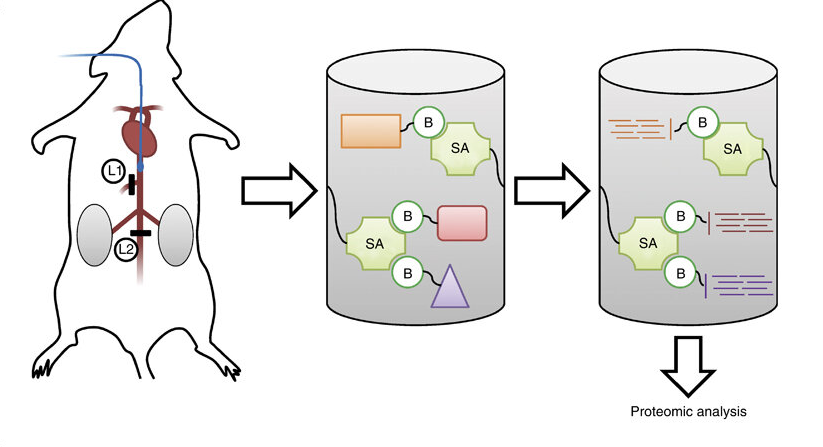
B cell-polarizing cytokines: The "directors" of immune response and the root of disease imbalance
2025-12-03B-cell polarizing cytokines are a group of key signaling molecules that direct B-cell differentiation, antibody class switching, and functional specialization.
View details
- Immunity/Inflamma
- B Cell Polarization
- Cytokines
- IL-4
- IL-21
- BAFF
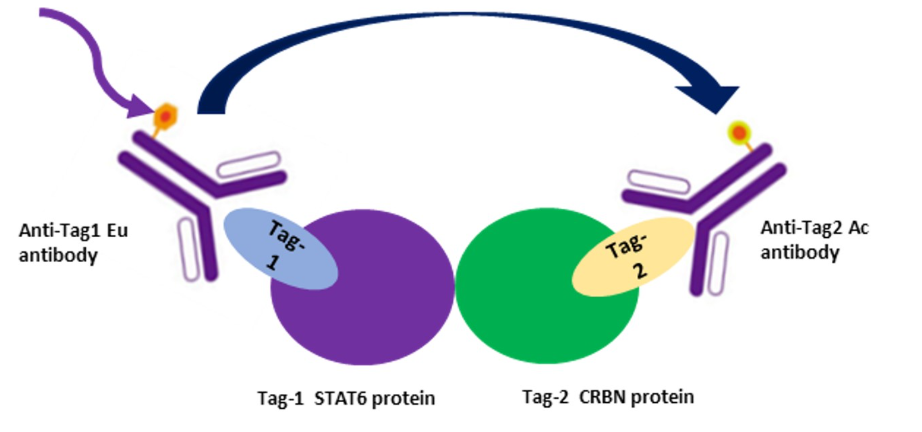
Osteoclast-regulating cytokines: The "demolition and construction team" of bone homeostasis and the hidden player behind bone diseases
2025-12-02Osteoclasts are the only specialized cells in the human body responsible for bone resorption, and their differentiation, activation, and survival are strictly regulated by a sophisticated cytokine network.
View details
- Cancer
- Osteoclasts
- Cytokines
- Bone Diseases
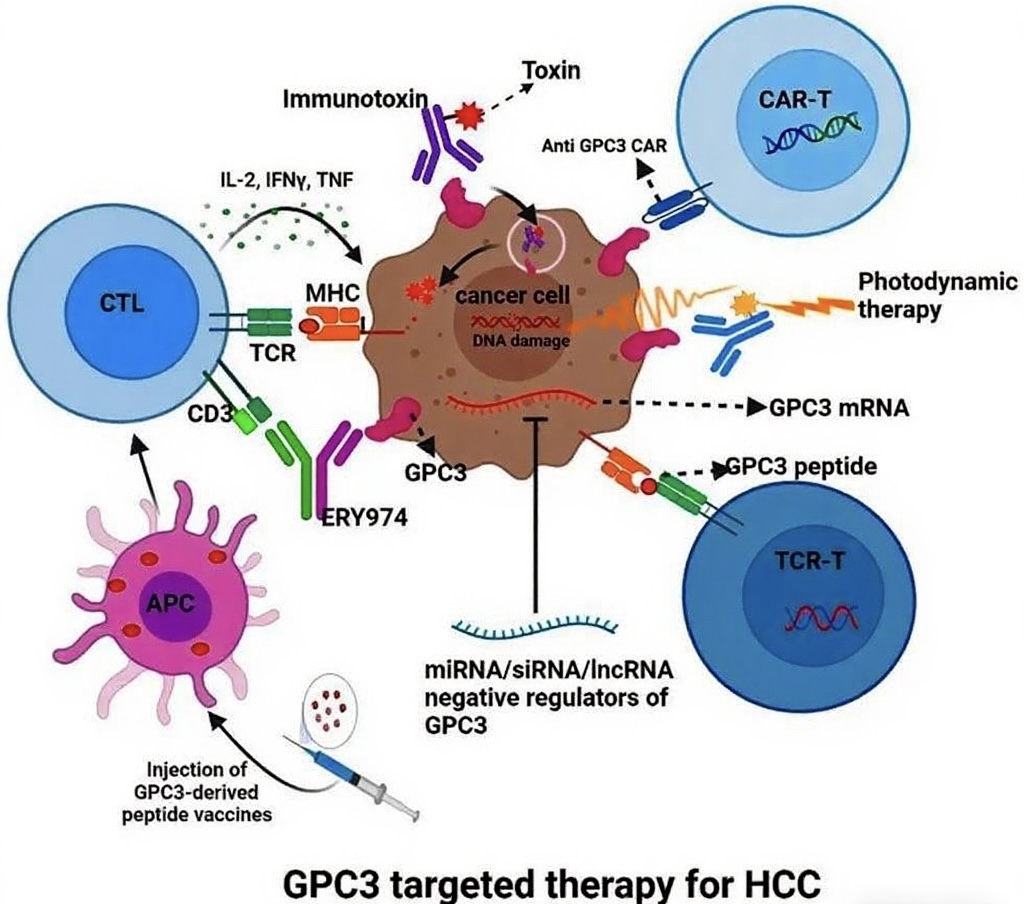
Macrophage polarization cytokines: The "conductors" of the immune system, determining the ultimate balance between inflammation and repair
2025-12-02Macrophage polarization is a core regulatory event in immune responses, with cytokines serving as the "chemical instructions" guiding this process.
View details
- Immunity/Inflamma
- Cytokines
- Macrophage Polarization
- Infection
- Tumor
- Autoimmune Disease
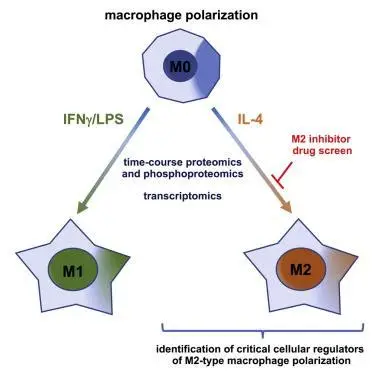
Precise Regulation of Macrophage Polarization: Deciphering the Pivotal Role of Cytokines in M1/M2 Phenotype Induction
2025-10-29At the forefront of immunology research, macrophage plasticity and functional polarization have become central to understanding inflammation, tissue repair, and the tumor immune microenvironment. The precise in vitro differentiation of human monocytes into M1 (pro-inflammatory) or M2 (anti-inflammatory/repair) macrophages is a critical technology for simulating in vivo immune status, conducting drug screening, and facilitating cell therapy research.
View details
- Cell Biology
- Macrophage Polarization
- M1/M2 Phenotypes
- Cytokines
- UA Bioscience
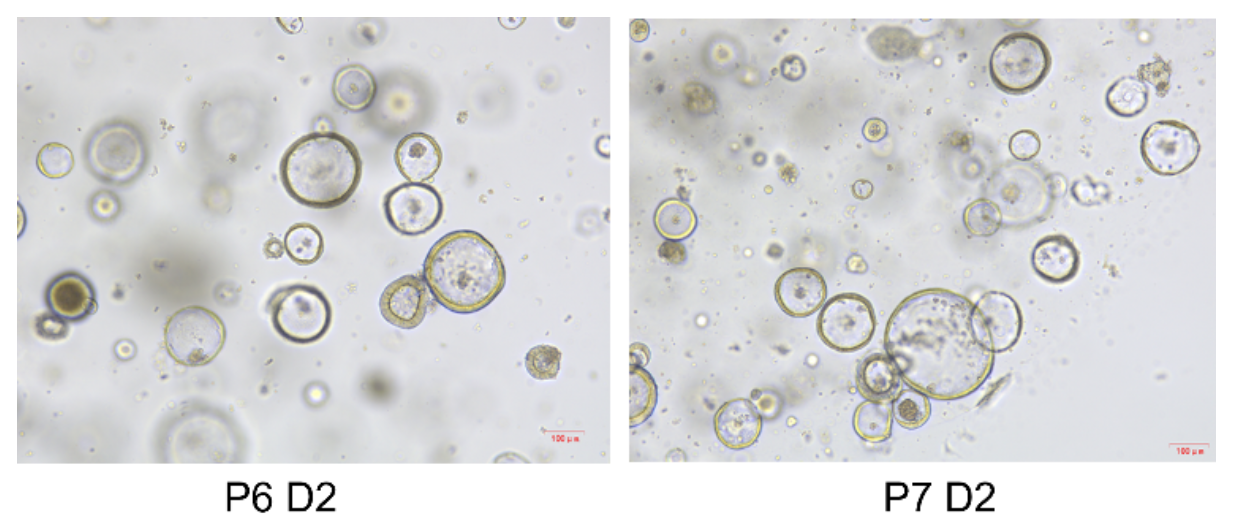
Mouse Colon Organoids and Cytokines: The Molecular Blueprint for Building an In Vitro Micro-Colon
2025-10-27Mouse colon organoids serve as a revolutionary in vitro model, whose successful establishment and long-term maintenance are entirely dependent on precise signaling regulation provided by specific cytokine combinations. These factors collectively mimic the molecular characteristics of the in vivo colonic stem cell niche, enabling the organoids to recapitulate both the structure and function of the colonic epithelium.
View details
- Drug Research
- Mouse colon organoids
- cytokines
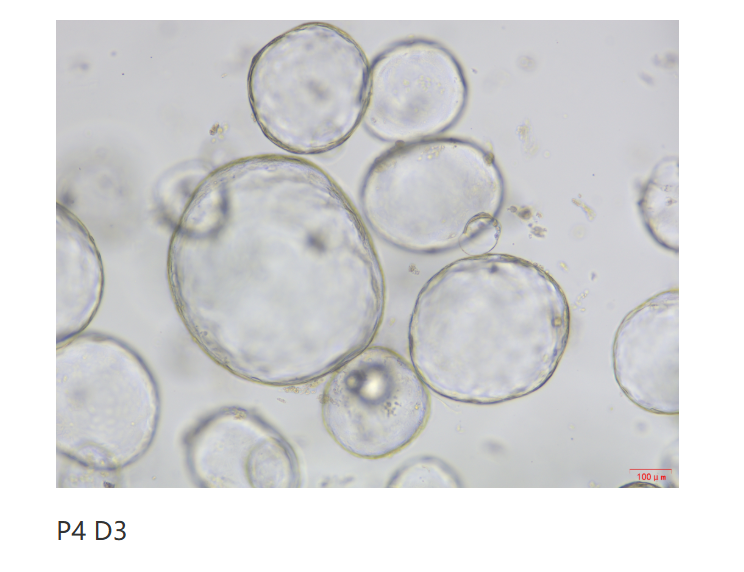
In Vitro Generation of Mouse Cholangiocyte Organoids: Precise Orchestration of Core Growth Factors and Signaling Pathways
2025-10-23Mouse cholangiocyte organoids are miniature, self-organizing structures derived from cholangiocytes or stem cells within a three-dimensional (3D) in vitro culture system. This model effectively simulates the epithelial barrier function, secretory properties, and injury response of the bile duct. Its successful establishment and long-term maintenance are highly dependent on a precise combination of cytokines.
View details
- Drug Research
- Mouse Cholangiocyte Organoids
- Cytokines
- UABioscience
- 1
- 2

Link:





©2021-2026 all rights reserved UA Biotechnology Co.,Ltd.
Privacy Policy 
网站备案号 浙ICP备2022019033号-2 浙公网安备33010202004867号
 Business license (three certificates in one)
 Tel:+86-25-56221161
E-mail:order@ua-bio.com
All products sold on this website shall not be used for clinical diagnosis or treatment of humans or animals, and shall only be used for non-medical purposes such as industrial or scientific research.
