

Technical Articles
cancer

Fibronectin EDB domain: A key molecule of tumor-specific splice variants and targeted theranostics
 2026-10-27
This article focuses on the molecular characteristics and splicing regulatory mechanisms of the fibronectin EDA and EDB domains, systematically elaborating the structural differences and functional differentiation of the three forms of fibronectin—plasma fibronectin, cellular fibronectin, and fetal fibronectin—analyzing the molecular basis for the overexpression of the EDA and EDB domains in embryonic tissues, placental tissues, and malignant cells, and exploring the clinical value of EDA/EDB as tumor-specific markers and targeted therapeutic targets.
View details
- Cancer
- Fibronectin EDB

Galectin-3 Selection: A Vendor-Judgment Checklist with Price and Supplier Context
2026-10-26A selection checklist for recombinant human Galectin-3: domain completeness, activity readouts, purity data and how to judge suppliers before comparing prices.
View details
- Cancer
- Galectin-3 selection
- vendor judgment
- purity
- binding assay
- price
- UA010129

What Is Galectin-3: Why This Lectin Matters for Tumor Immunity and Glycobiology
2026-10-26Galectin-3 is a beta-galactoside-binding lectin with CRD and collagen-like domains. This article covers its oligomerization, tumor-immune roles and recombinant-protein applications.
View details
- Cancer
- Galectin-3
- galectin
- lectin
- CRD
- tumor immunity
- glycobiology
- UA010129

What Is DKK-1: Why DKK-1 Is the Brake of Wnt Signaling
2026-10-26DKK-1 binds LRP5/6 and Kremen to block Wnt signaling. This article explains the brake mechanism, bone and cancer contexts and how recombinant DKK-1 supports Wnt studies.
View details
- Signaling Pathway
- DKK-1
- Wnt signaling
- LRP5/6
- Kremen
- bone metabolism
- cancer
- UA040180

Where AF647-Labeled GPC3 Sits in the CAR-T Development Chain
2026-10-26From target validation to CAR potency release, fluorescent GPC3 reagents support each stage of HCC cell-therapy development. This article maps the chain and the assay needs.
View details
- Cancer
- GPC3 CAR-T
- potency assay
- HCC cell therapy
- target validation
- fluorescent reagent
- UA011279

Flow Cytometry with AF647-Labeled GPC3: Staining Concentration, Controls and Compensation
2026-10-26A practical staining guide for directly labeled GPC3: titration, FMO and isotype controls, compensation setup for AF647 and how to read CAR engagement panels cleanly.
View details
- Cancer
- GPC3 flow cytometry
- AF647
- direct labeling
- FMO control
- compensation
- CAR detection
- UA011279

AF647-Labeled Human GPC3: From GPI Anchoring to HCC Targeting Basics
2026-10-26GPC3 is a GPI-anchored heparan sulfate proteoglycan turned on in hepatocellular carcinoma. This article explains its membrane logic and why fluorescent labeling enables targeted studies.
View details
- Cancer
- GPC3
- Glypican 3
- GPI anchor
- Alexa Fluor 647
- hepatocellular carcinoma
- oncofetal antigen
- UA011279
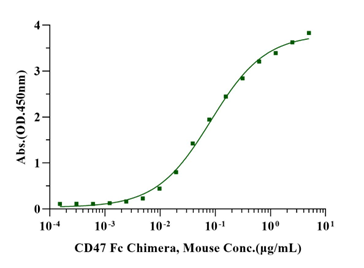
How to Choose CD47 Fc Chimera Protein: Binding Activity and Quality Q&A
2026-10-22A selection guide for mouse CD47 Fc chimera protein: SIRPα-binding validation, Fc format considerations, purity and quality indicators, and acceptance criteria for blockade assays.
View details
- Cancer
- CD47 Fc chimera selection
- SIRPα binding
- blockade assay
- purity
- quality metrics
- UA010266
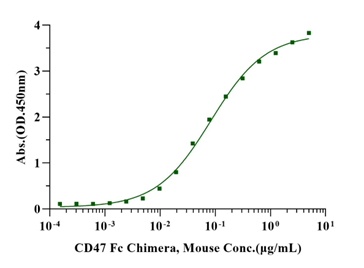
What Is CD47: The "Do Not Eat Me" Signal and SIRPα-Blockade Research
2026-10-22CD47 delivers the "do not eat me" signal through SIRPα and is a key innate-immune checkpoint. This article covers the CD47-SIRPα axis and applications of mouse CD47 Fc chimera protein.
View details
- Cancer
- CD47
- SIRPα
- do not eat me
- innate immune checkpoint
- Fc chimera
- phagocytosis
- macrophage
- UA010266

CDCP1 Protein: A Multidimensional Examination from Molecular Underpinnings to Tumor-Targeted Therapy
2026-10-22This article focuses on the molecular characteristics and tumor biological functions of CUB domain-containing protein 1 (CDCP1), systematically elaborating its structural composition as a type I single-pass transmembrane glycoprotein, the regulatory mechanisms of proteolytic cleavage, and the functional significance of the neo-epitope generated after cleavage. It analyzes the context-dependent dual functional profile of CDCP1 in promoting invasion and metastasis versus suppressing metastasis, and discusses the levels of evidence and key considerations regarding its tumor expression profile, prognostic assessment, and targeted therapeutic development.
View details
- Cancer
- CDCP1 protein
- 1
- 2
- 3
- 4
- 5
- 6
- 36

Link:





©2021-2026 all rights reserved UNIV Biotechnology Co.,Ltd.
Privacy Policy
网站备案号 苏ICP备2025207586号-2 浙公网安备33010202004867号
 Business license (three certificates in one)
Tel:+86-25-56221161
E-mail:order@ua-bio.com
All products sold on this website shall not be used for clinical diagnosis or treatment of humans or animals, and shall only be used for non-medical purposes such as industrial or scientific research.