

Technical Articles
Wnt

When natural Wnt proteins are trapped by solubility and batch-to-batch variability, from where should the design logic of alternative activators be anchored?
 2026-10-26
In vitro activation of the classical Wnt/β-catenin pathway has long been constrained by the physicochemical shortcomings of natural ligands: proteins such as Wnt3a suffer from poor water solubility, complex post-translational modifications, and significant batch-to-batch activity variability, making it difficult to ensure the stability of stem cell maintenance and organoid culture protocols.
View details
- Signaling Pathway
- Wnt
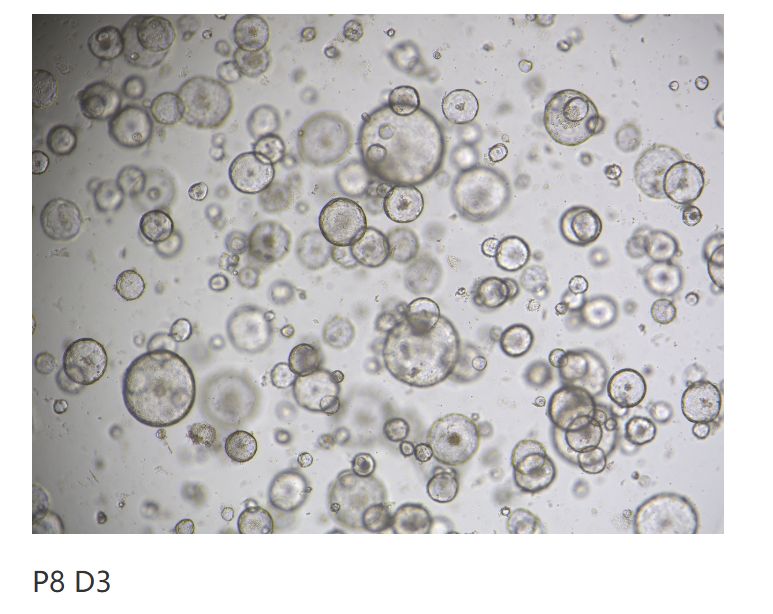
Re-engineering the "Miniature Stomach": A Full-Process Protocol for the In Vitro Construction of Mouse Gastric Organoids
2025-10-23Gastric organoids, in simple terms, are three-dimensional (3D) miniaturized organs derived from stem cells in laboratory culture dishes. The construction of normal mouse gastric organoids typically begins with the isolation of adult stem cells or embryonic stem cells from mouse gastric tissue. These cells are cultured within a Matrigel matrix containing specific growth factors (such as EGF, Wnt, Noggin, etc.), which precisely simulate the stem cell niche microenvironment of the gastric mucosa in vivo.
View details
- Drug Research
- Mouse gastric organoids
- EGF
- Wnt
- Noggin
- 1

Link:





©2021-2026 all rights reserved UNIV Biotechnology Co.,Ltd.
Privacy Policy
网站备案号 苏ICP备2025207586号-2 浙公网安备33010202004867号
 Business license (three certificates in one)
Tel:+86-25-56221161
E-mail:order@ua-bio.com
All products sold on this website shall not be used for clinical diagnosis or treatment of humans or animals, and shall only be used for non-medical purposes such as industrial or scientific research.