




Technical Articles
Targeted therapy
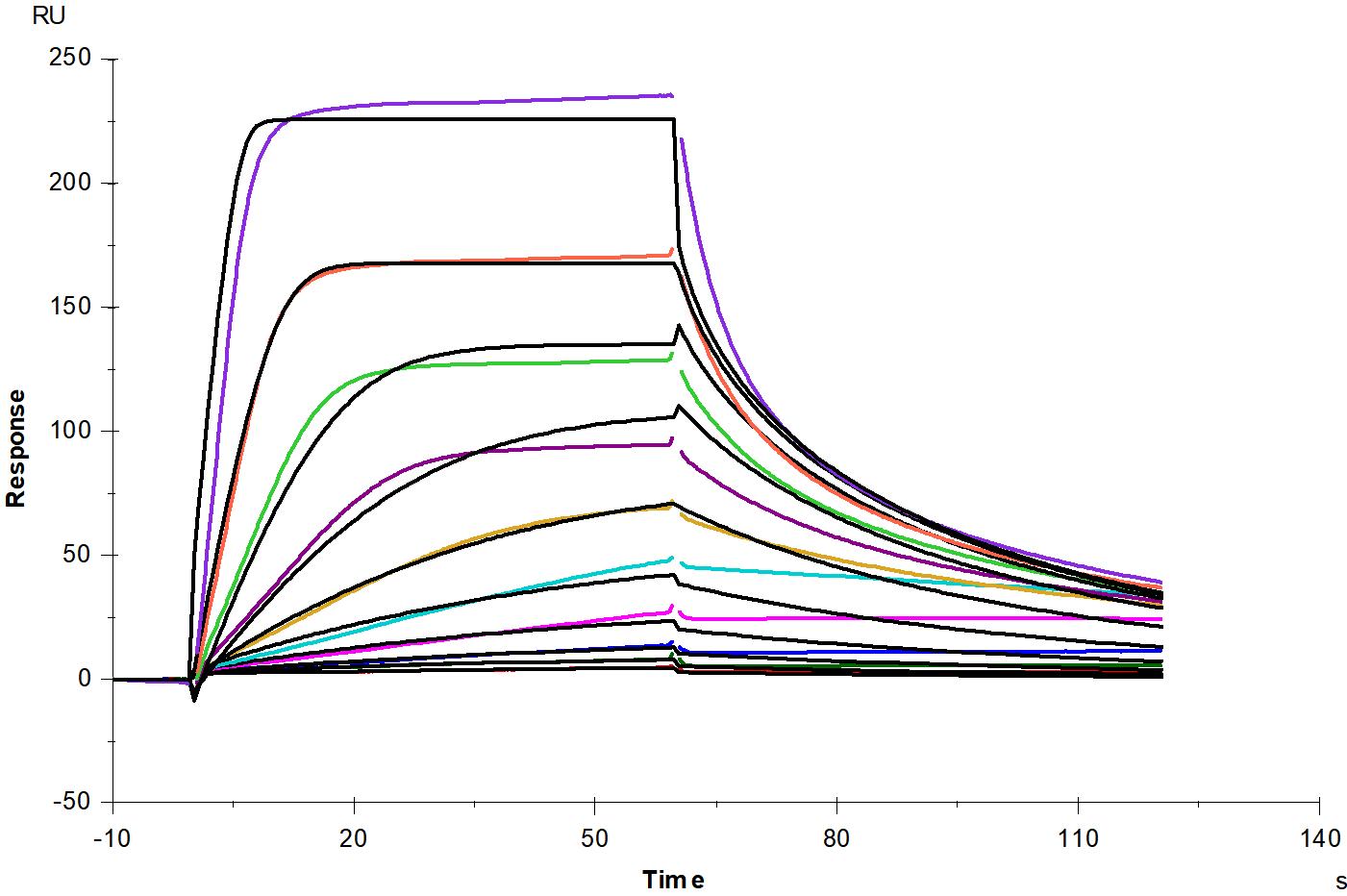
FGFR4: Why Hepatocellular Carcinoma Targeting Focuses on This Selective Receptor
 2026-09-20
Among the four FGFR family members, FGFR4 alone resides in the liver and binds the KLB co-receptor. From an industry perspective, this article dissects the FGF19 axis, its association with hepatocellular carcinoma and the design logic of selective in
View details
- Signaling Pathway
- FGFR4
- Hepatocellular carcinoma
- FGF19
- Selective inhibitor
- Targeted therapy
- UA011375
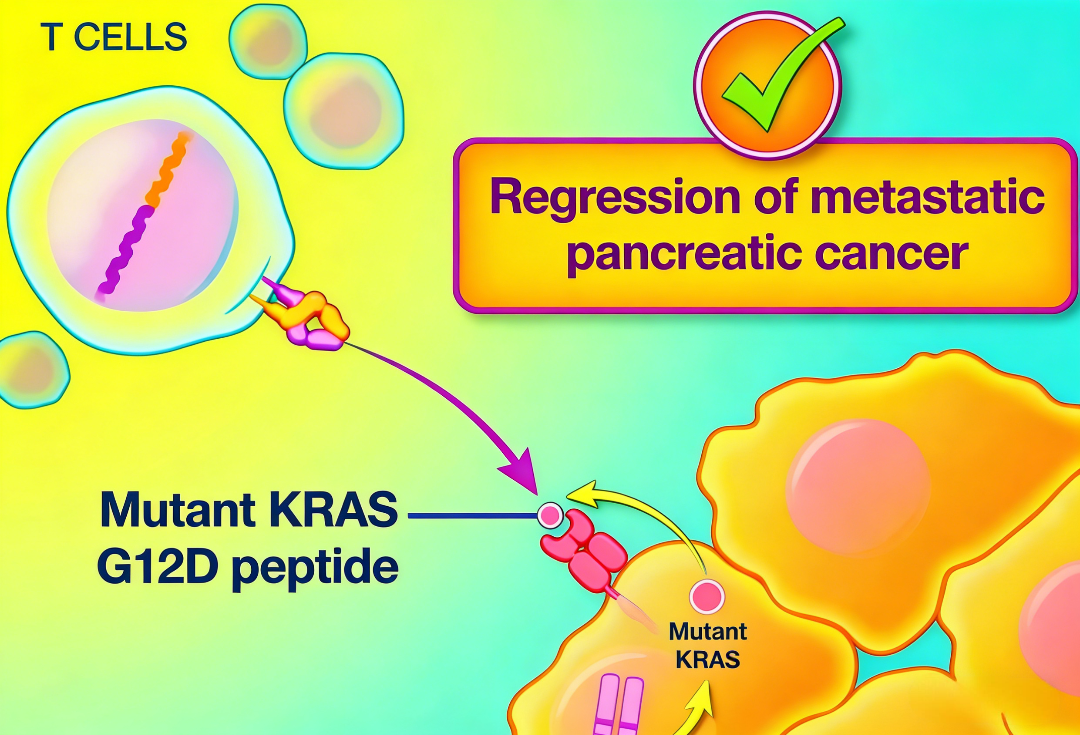
Challenges in Targeting KRAS G12D Mutation and Novel PROTAC Technology Strategies
2026-01-23The KRAS gene is one of the most frequently mutated proto-oncogenes in human cancers. Among the RAS gene family (KRAS, NRAS, HRAS), KRAS mutations account for approximately 85%, and its encoded protein serves as a critical molecular switch.
View details
- Cancer
- KRAS[G12D]/CRBN PROTAC Kit
- Targeted therapy
- Pancreatic cancer
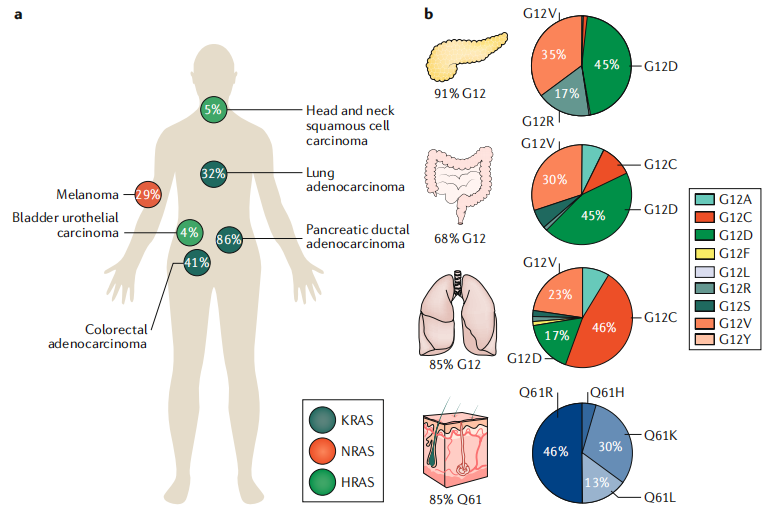
KRAS-Targeted Therapies: Breakthroughs and Future Prospects
2025-04-21Mutations in the KRAS gene represent a significant challenge in cancer treatment, particularly in pancreatic cancer, colorectal cancer, and non-small cell lung cancer (NSCLC). These mutations result in the constitutive activation of the KRAS protein, leading to hyperactivation of downstream signaling pathways and promoting tumor cell growth. However, the lack of binding pockets on the KRAS protein surface has made it difficult for traditional small-molecule drugs to directly target KRAS, rendering it once deemed an "undruggable" target.
View details
- Cancer
- KRAS
- Targeted therapy
- cancer treatment
- 1

Link:





©2021-2026 all rights reserved UA Biotechnology Co.,Ltd.
Privacy Policy 
网站备案号 浙ICP备2022019033号-2 浙公网安备33010202004867号
 Business license (three certificates in one)
 Tel:+86-25-56221161
E-mail:order@ua-bio.com
All products sold on this website shall not be used for clinical diagnosis or treatment of humans or animals, and shall only be used for non-medical purposes such as industrial or scientific research.
