




Technical Articles
TR-FRET

Plate Design for Binding Assays with Biotinylated CRBN/DDB1: Four Control Classes and Three Troubleshooting Points
 2026-11-19
A practical plate-design guide for CRBN/DDB1 binding experiments: streptavidin capture orientation, TR-FRET and SPR formats, controls and troubleshooting.
View details
- Drug Research
- biotinylated CRBN DDB1
- TR-FRET
- SPR
- BLI
- streptavidin
- ternary complex
- assay controls
- UA080262

How to Choose Biotinylated CRBN/DDB1: A Seven-Step Selection Checklist for PROTAC Studies
2026-10-26A seven-step selection checklist for biotinylated CRBN/DDB1: biotin site, complex assembly, activity validation, plate compatibility and vendor questions that matter.
View details
- Drug Research
- CRBN/DDB1 selection
- biotinylation
- PROTAC screening
- TR-FRET
- binding assay
- checklist
- UA080262

What Is Biotinylated CRBN/DDB1: How the Labeled Complex Serves PROTAC Degradation Research
2026-10-26Biotinylated CRBN/DDB1 is the substrate-recognition module of CRL4 E3 ligase, immobilized for binding assays. This article explains its role in PROTAC and molecular-glue studies.
View details
- Drug Research
- Biotinylated CRBN/DDB1
- CRL4
- E3 ligase
- PROTAC
- molecular glue
- TR-FRET
- ternary complex
- UA080262

CRBN-DDB1 In Vitro Research Tools: Assembly Assessment, Ubiquitination Assays and Failure Points
2026-09-20A tool-oriented guide to CRBN-DDB1 in vitro experiments: assembly quality assessment (SEC/SDS-PAGE), binding and ubiquitination assay parameters, four common failure points and layered troubleshooting strategies.
View details
- Drug Research
- CRBN-DDB1 assay
- In vitro ubiquitination
- TR-FRET
- SPR
- Size exclusion chromatography
- UA085062
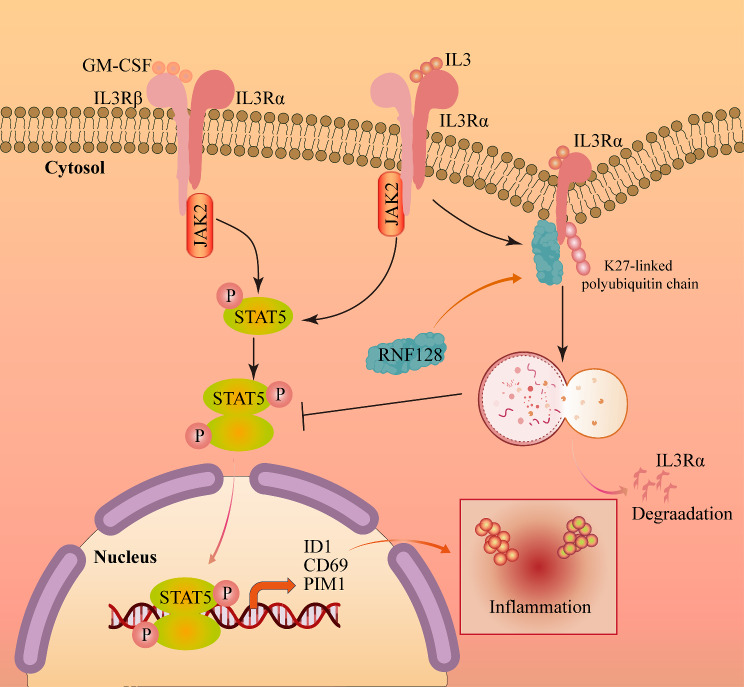
KRAS Drug Screening and Bioanalytical Technology Platform—From Recombinant Proteins to Cellular Functional Assays
2026-06-10The development of KRAS-targeted drugs relies on a variety of biochemical and cellular analytical platforms. From the production and quality control of target proteins, to the measurement of compound binding affinity with KRAS, and the validation of signaling pathway inhibition in cells, a standardized analytical process is an essential infrastructure for new drug discovery.
View details
- Cancer
- Recombinant KRAS protein
- nucleotide exchange assay
- TR-FRET
- RAS-RAF binding assay
- cell proliferation assay
- efficacy evaluation model
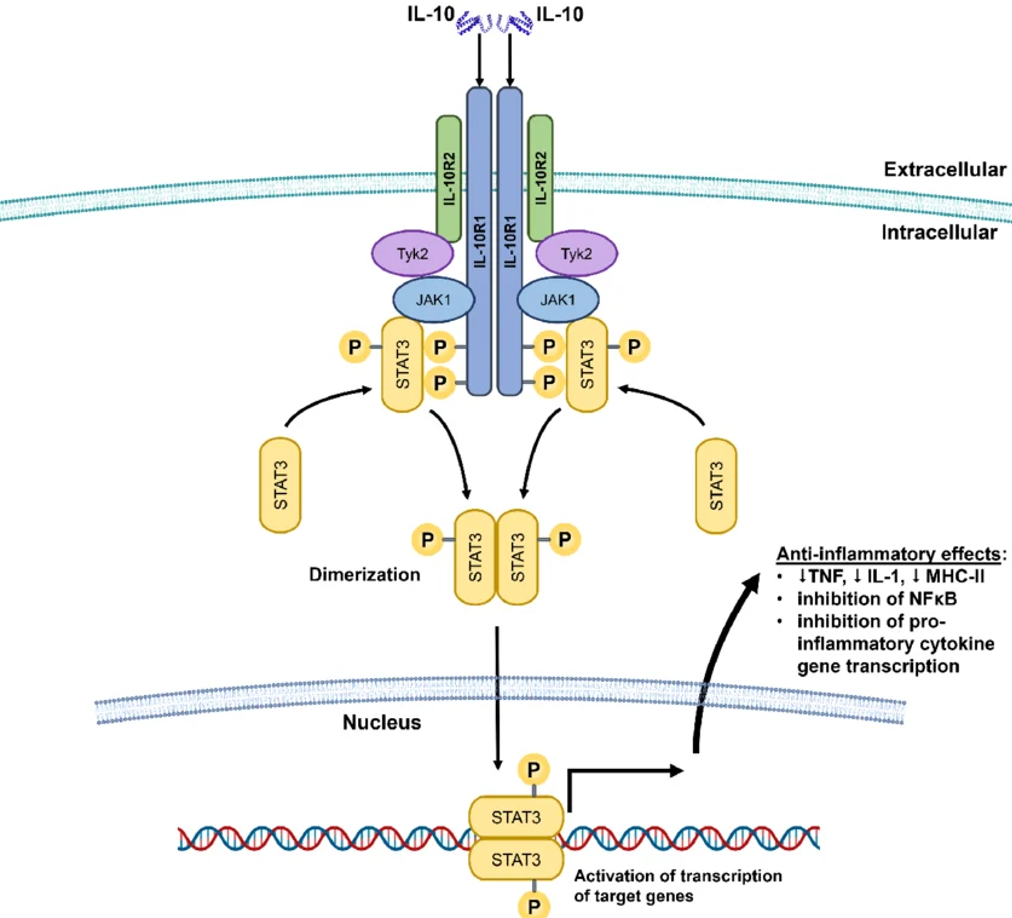
Time-Resolved Fluorescence Resonance Energy Transfer Technology: Principles, Applications, and Recent Advances
2026-06-05Time-Resolved Fluorescence Resonance Energy Transfer (TR-FRET) is a highly sensitive biophysical technique that combines time-resolved fluorescence detection with the principle of Förster resonance energy transfer.
View details
- Drug Research
- TR-FRET
- Drug Discovery
- Homogeneous Technology
- Wash-free
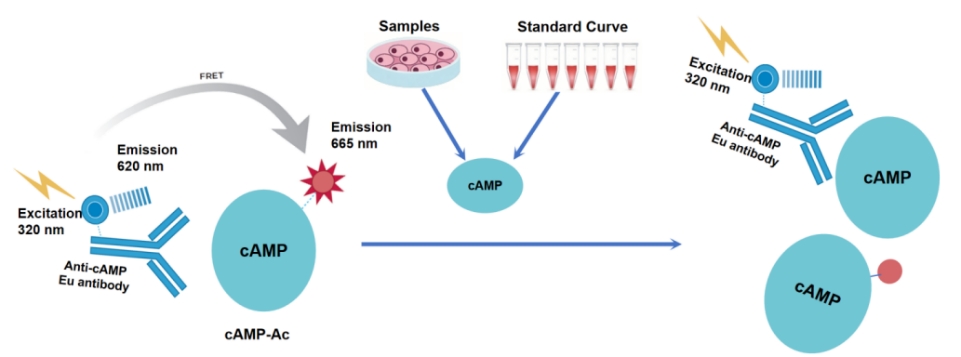
Technical Principle and Application Analysis of TR-FRET cAMP High-Range Detection Kit
2026-04-20Cyclic adenosine monophosphate, as an important second messenger molecule within cells, directly reflects the activation or inhibition state of the G protein-coupled receptor signaling pathway.
View details
- Drug Research
- TR-FRET
- Cyclic Adenosine Monophosphate
- cAMP High Range Detection
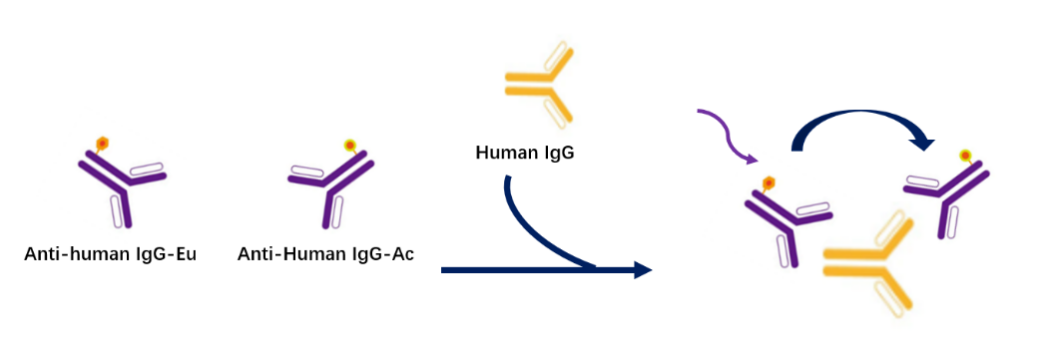
Technical Analysis of TR-FRET IgG Sandwich Assay Kits
2026-04-17Time-resolved fluorescence resonance energy transfer is a homogeneous detection technique based on non-radiative energy transfer between fluorescent donor and acceptor molecules. The core of this technology lies in the use of lanthanide chelates as fluorescent donors, with common lanthanide elements including europium and terbium.
View details
- Immunity/Inflamma
- TR-FRET
- IgG Sandwich Detection Kit
- Immunoglobulin G

TR-FRET-based KRAS [G13D]/CRBN PROTAC interaction detection technology
2026-04-15The KRAS gene, a member of the RAS family with the highest mutation frequency, plays a critical driving role in the occurrence and development of various malignant tumors.
View details
- Cancer
- KRAS [G13D]/CRBN
- Malignant Tumor
- TR-FRET
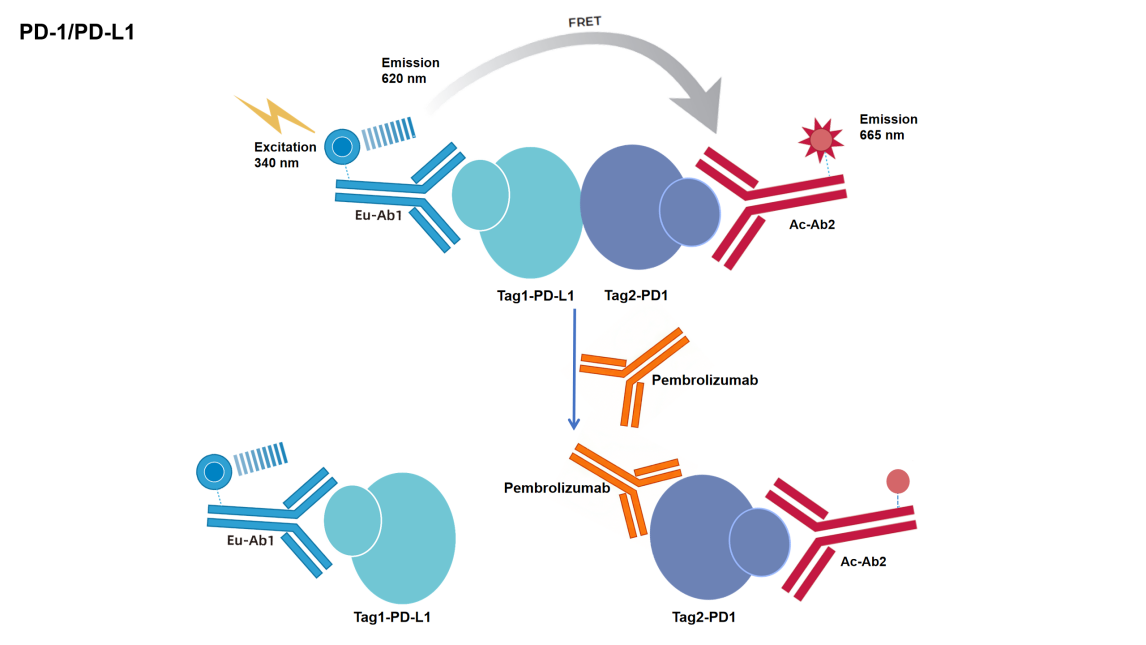
TR-FRET Homogeneous Time-Resolved Fluorescence Technology: Principle and Applications
2026-03-09Homogeneous time-resolved fluorescence technology is a novel detection platform that integrates the two core technologies of time-resolved fluorescence and fluorescence resonance energy transfer, and has wide applications in drug screening, life science research, and clinical diagnostics.
View details
- Drug Research
- TR-FRET
- Homogeneous time-resolved fluorescence technology
- Drug screening
- 1
- 2

Link:





©2021-2026 all rights reserved UNIV Biotechnology Co.,Ltd.
Privacy Policy
网站备案号 苏ICP备2025207586号-2 浙公网安备33010202004867号
 Business license (three certificates in one)
Tel:+86-25-56221161
E-mail:order@ua-bio.com
All products sold on this website shall not be used for clinical diagnosis or treatment of humans or animals, and shall only be used for non-medical purposes such as industrial or scientific research.


