

Technical Articles
T Cell
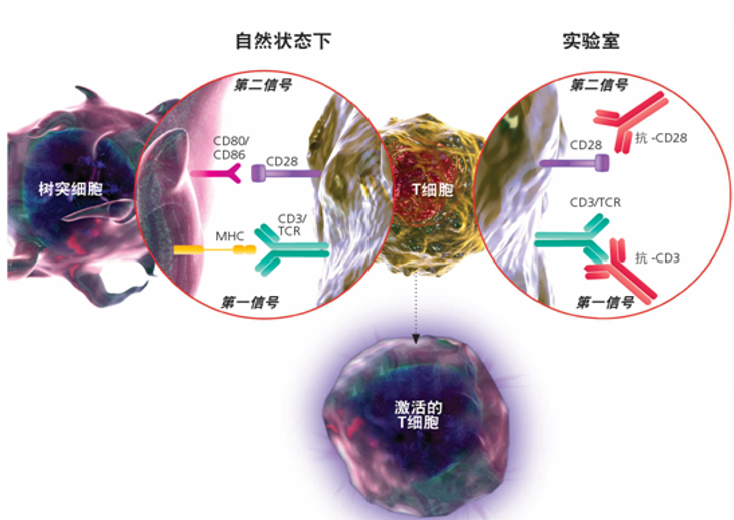
Immunity Guardians - T Cell Cultivation Guide
 2026-07-15
T cells, as the guardians of the immune system, bear the responsibility of adaptive immunity and play a pivotal role in both cellular and humoral immunity.
View details
- Immunity/Inflamma
- T Cell
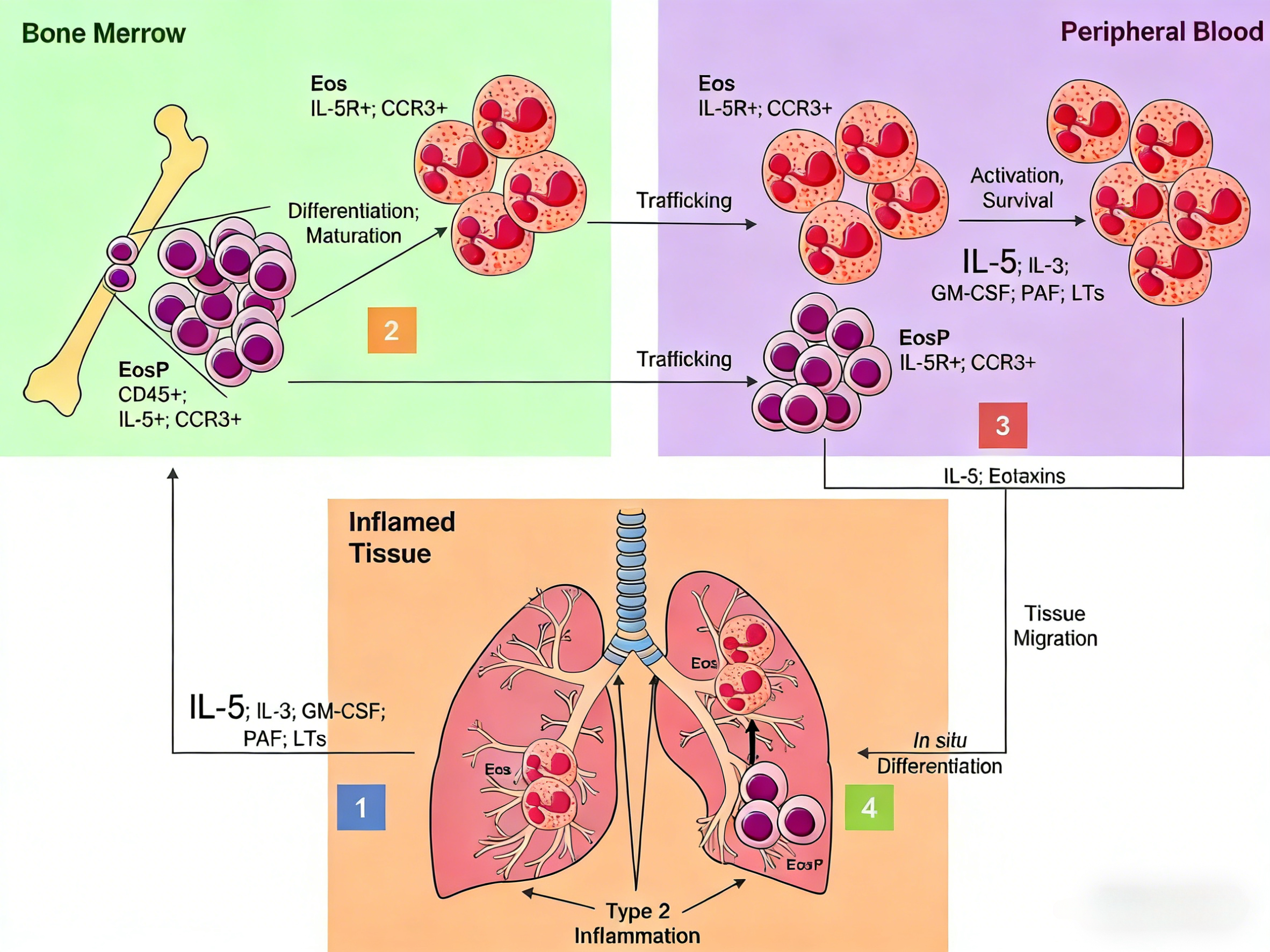
Molecular Characteristics and Immunoregulatory Functions of Interleukin-5 (IL-5)
2026-02-13Interleukin-5 (IL-5) is a pleiotropic cytokine primarily secreted by Th2-type T cells and mast cells, playing a pivotal role in regulating the development and function of specific leukocyte lineages.
View details
- Immunity/Inflamma
- Human IL-5 Kit (HICA)
- Immunoregulatory function
- T cell
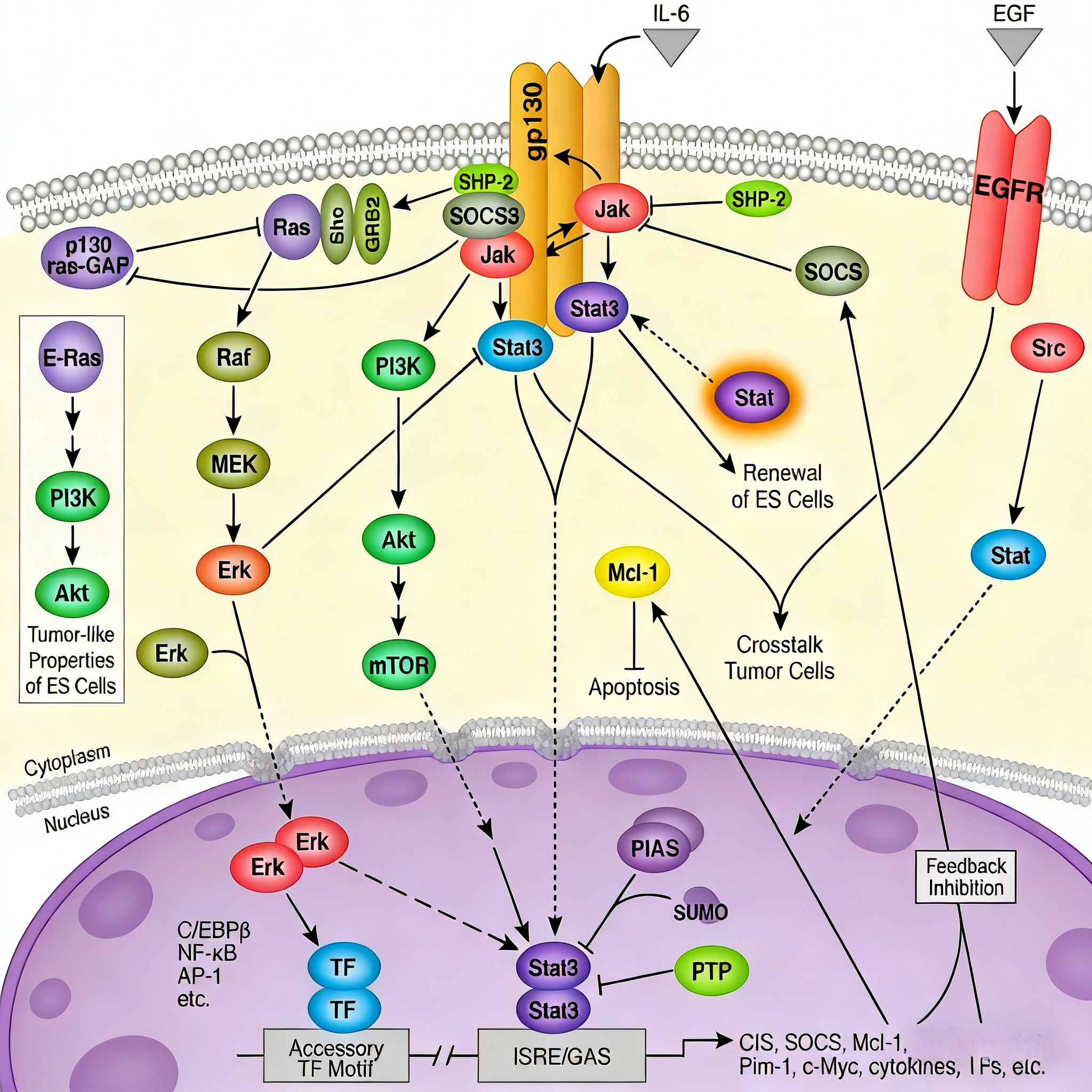
IL-6 signaling pathway: molecular mechanisms, biological functions, and disease associations
2026-02-06Interleukin-6 is a pleiotropic cytokine secreted by various cells (such as macrophages, T cells, fibroblasts, etc.)
View details
- Immunity/Inflamma
- IL-6 protein
- Macrophage
- T cell
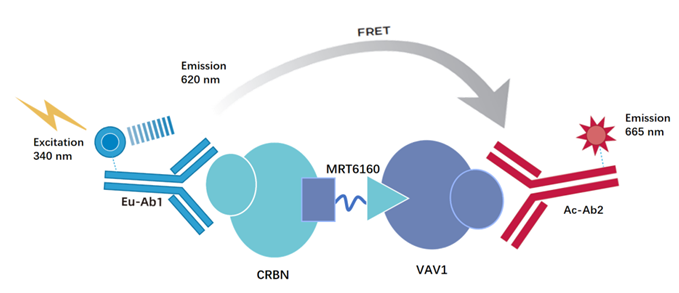
Biological functions of VAV1, disease associations, and targeted therapeutic strategies: focusing on PROTAC technology
2026-01-16VAV1 (Vav Guanine Nucleotide Exchange Factor 1) is an important intracellular signaling protein, belonging to the guanine nucleotide exchange factor (GEF) family.
View details
- Signaling Pathway
- VAV1/CRBN PROTAC Kit
- Signal transduction protein
- T cell

Enhancing In Vitro T Cell Expansion: Synergy in Signaling as a Pathway to Standardized Solutions
2025-10-30Obtaining large numbers of highly active human peripheral blood-derived T cells is a critically important technical step in immunotherapy development, oncology research, and the exploration of immune response mechanisms. Traditional T cell expansion requires researchers to independently optimize the concentrations of anti-CD3 and anti-CD28 antibodies, as well as the ratio of IL-2 - a process that is cumbersome and involves variables that are difficult to control.
View details
- Drug Research
- T cell
- CD3
- CD28
- IL-2
- recombinant protein
- UA Bio

Engineered MHC class II tetramers enhance the detection sensitivity of antigen-specific T cells by strengthening CD4 binding.
2025-05-12T cells play a core role in cell-mediated immune responses by recognizing specific peptide antigens bound to MHC molecules. Fluorescently labeled peptide:MHC class I (pMHC I) tetramers are standard for identifying antigen-specific CD8⁺ T cells via flow cytometry. However, extending this technology to detect CD4⁺ T cells faces technical challenges.
View details
- Immunity/Inflamma
- MHC class II tetramer
- MHC
- T cell
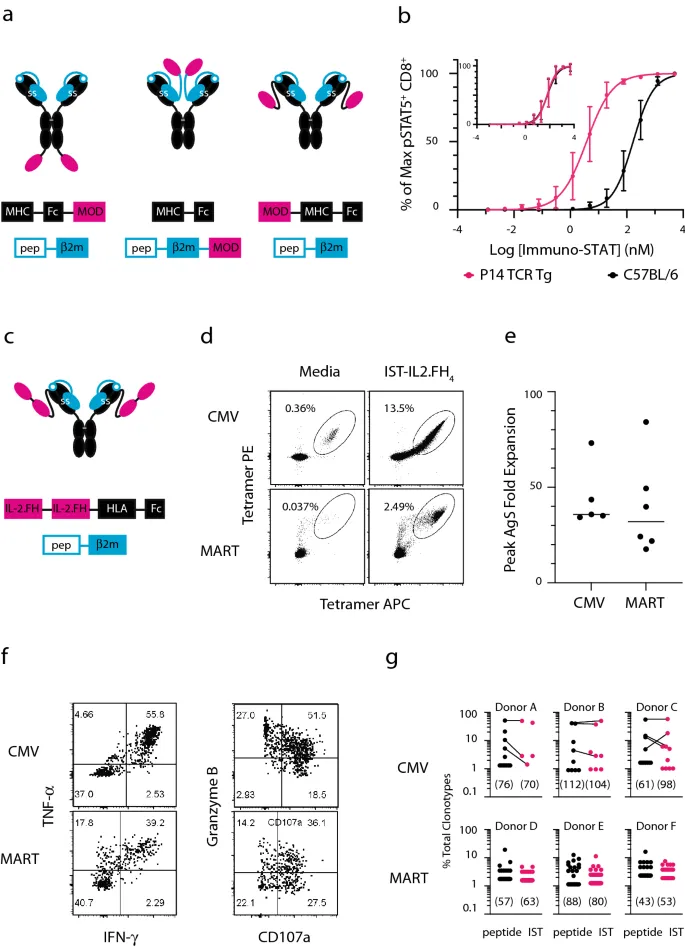
Breakthrough in LCMV MHC Tetramer Technology: Driving Precision Activation and Selective Expansion of Antigen-Specific T Cells via the Immuno-STAT Platform
2025-05-12Targeted pharmacological activation of antigen-specific (AgS) T cells offers an innovative approach to overcome the limitations of current T-cell therapies. This study developed two immunotherapeutic platforms—Immuno-STAT and Neo-STAT—which achieve selective modulation of tumor-specific immune responses through the precise delivery of costimulatory ligands and peptide-HLA (pHLA) complexes to AgS T cells.
View details
- Immunity/Inflamma
- LCMV MHC tetramer technology
- antigen-specific
- AgS
- T cell

H-2Db MHC Tetramer: The Innovation and Application Expansion of Antigen - specific T Cell Detection Technology
2025-05-12Antigen - specific T cells are central effector cells of the adaptive immune system. They play a key role in viral infection, tumor immunosurveillance, and vaccine - induced protective immunity. Traditional detection methods, limited by low sensitivity or complex procedures, struggle to precisely quantify low - frequency antigen - specific T cells. The H-2Db MHC tetramer technology has broken through this barrier. By forming high - affinity polymeric complexes, it enables single - cell detection and functional analysis of CD8+ T cells.
View details
- Immunity/Inflamma
- H-2Db MHC tetramer
- tetramer
- T cell
- 1

Link:





©2021-2026 all rights reserved UA Biotechnology Co.,Ltd.

网站备案号 浙ICP备2022019033号-2 浙公网安备33010202004867号
 Business license (three certificates in one)
 Tel:+86-0571-87565022
E-mail:order@ua-bio.com
All products sold on this website shall not be used for clinical diagnosis or treatment of humans or animals, and shall only be used for non-medical purposes such as industrial or scientific research.
