

Technical Articles
Protein
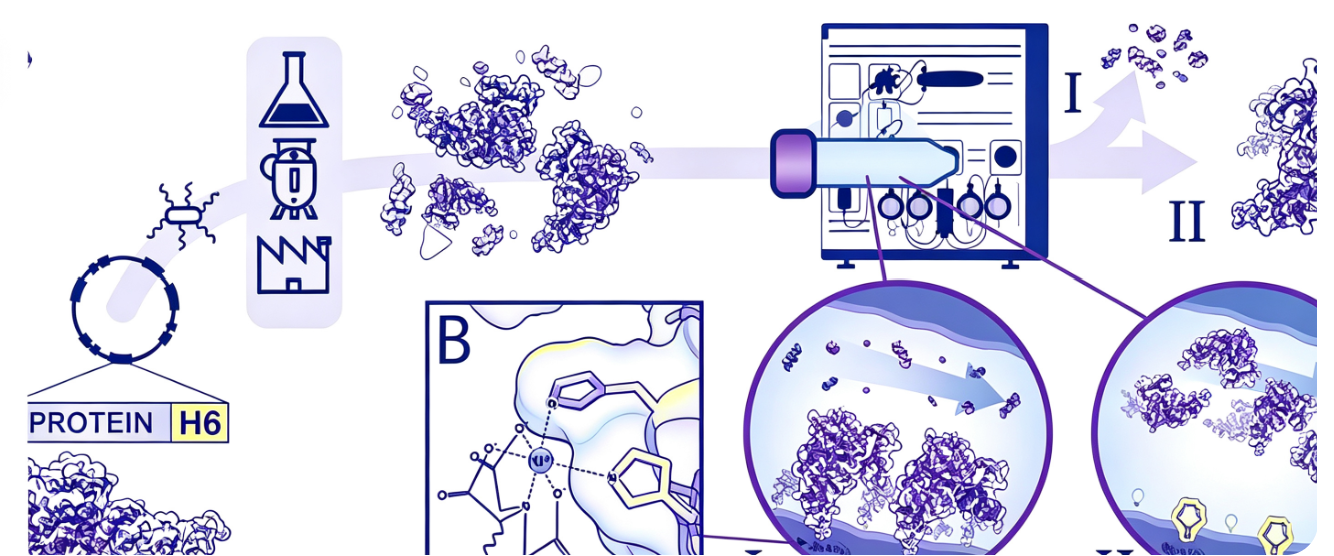
Structural and functional analysis of the G protein of Nipah virus and the application value of its His-tagged recombinant protein
 2026-07-10
The Nipah virus, as a highly lethal zoonotic pathogen, relies critically on its glycoprotein G for invading host cells, playing an irreplaceable role in this process. In-depth research into the structure and function of the G protein not only helps elucidate the virus's pathogenic mechanisms but also provides a vital molecular target for vaccine development and antiviral drug design. Recombinant G protein and its derivatives serve as essential research tools, demonstrating broad application prospects in virology studies and the development of immunodetection technologies.
View details
- Microbiology
- Nipah Virus Glycoprotein G His-tagged Protein
- Protein
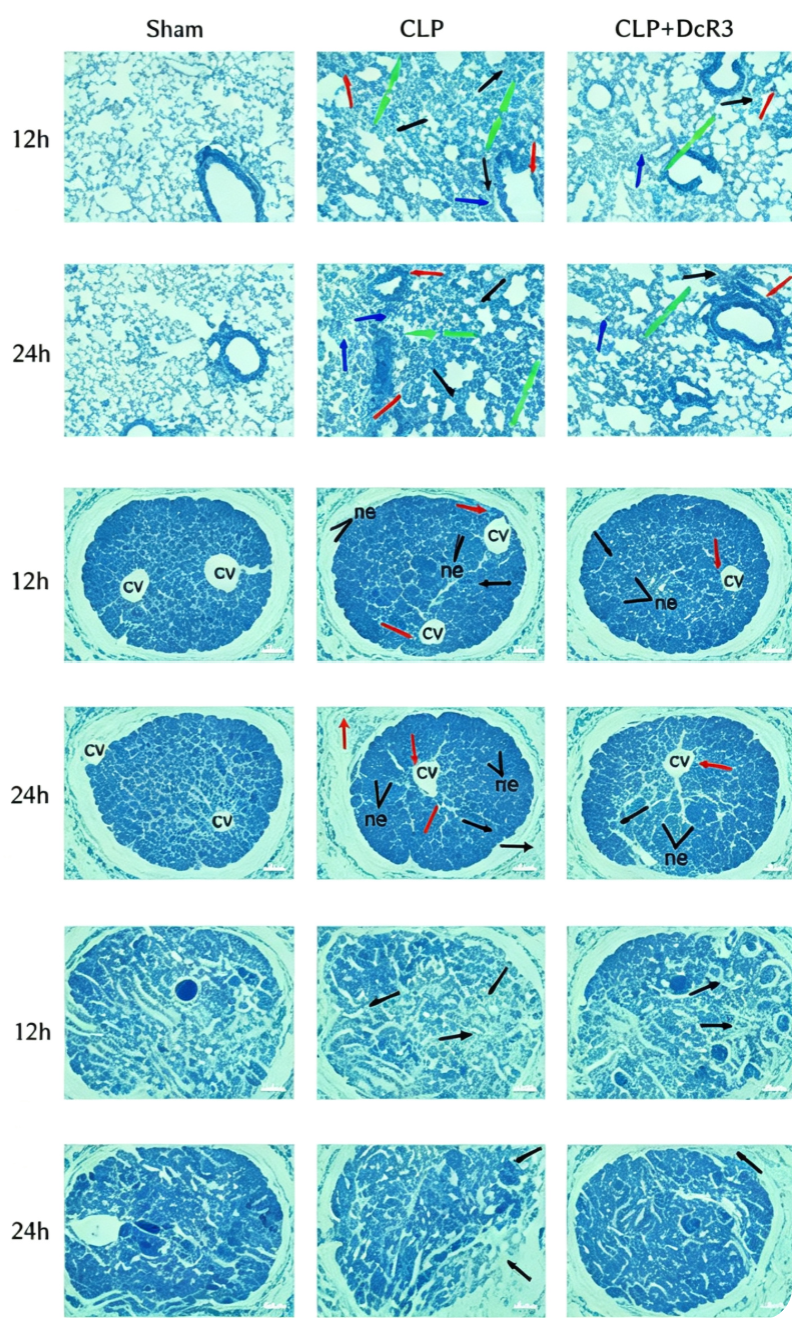
Human DcR3 His-tagged protein provides a key tool for studying the inflammatory regulation mechanism of sepsis
2026-07-09The pathological challenges of sepsis and the unique role of DcR3.
View details
- Cancer
- Human Decoy Receptor 3 (DcR3) His-tagged Protein
- Protein
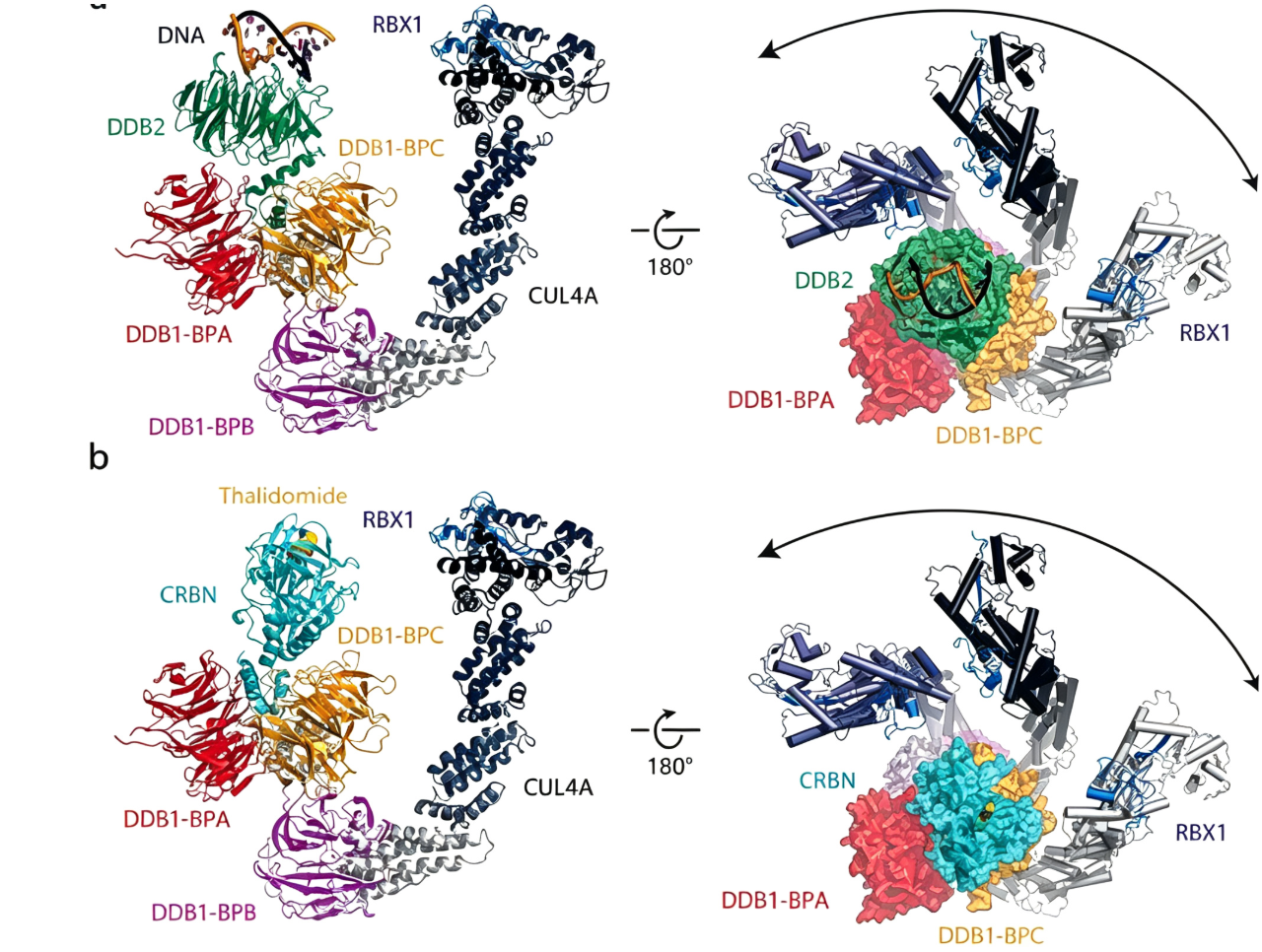
Human CRBN/DDB1 complex GST-tagged protein facilitates the elucidation of the bidirectional substrate regulatory mechanism of immunomodulatory drugs
2026-07-09The Chemical Renaissance of Thalidomide and the Research Value of the CRBN/DDB1 Complex.
View details
- Drug Research
- Human Cereblon / Damage-specific DNA-binding Protein 1 (CRBN/DDB1) Complex GST-Tagged Protein
- Protein
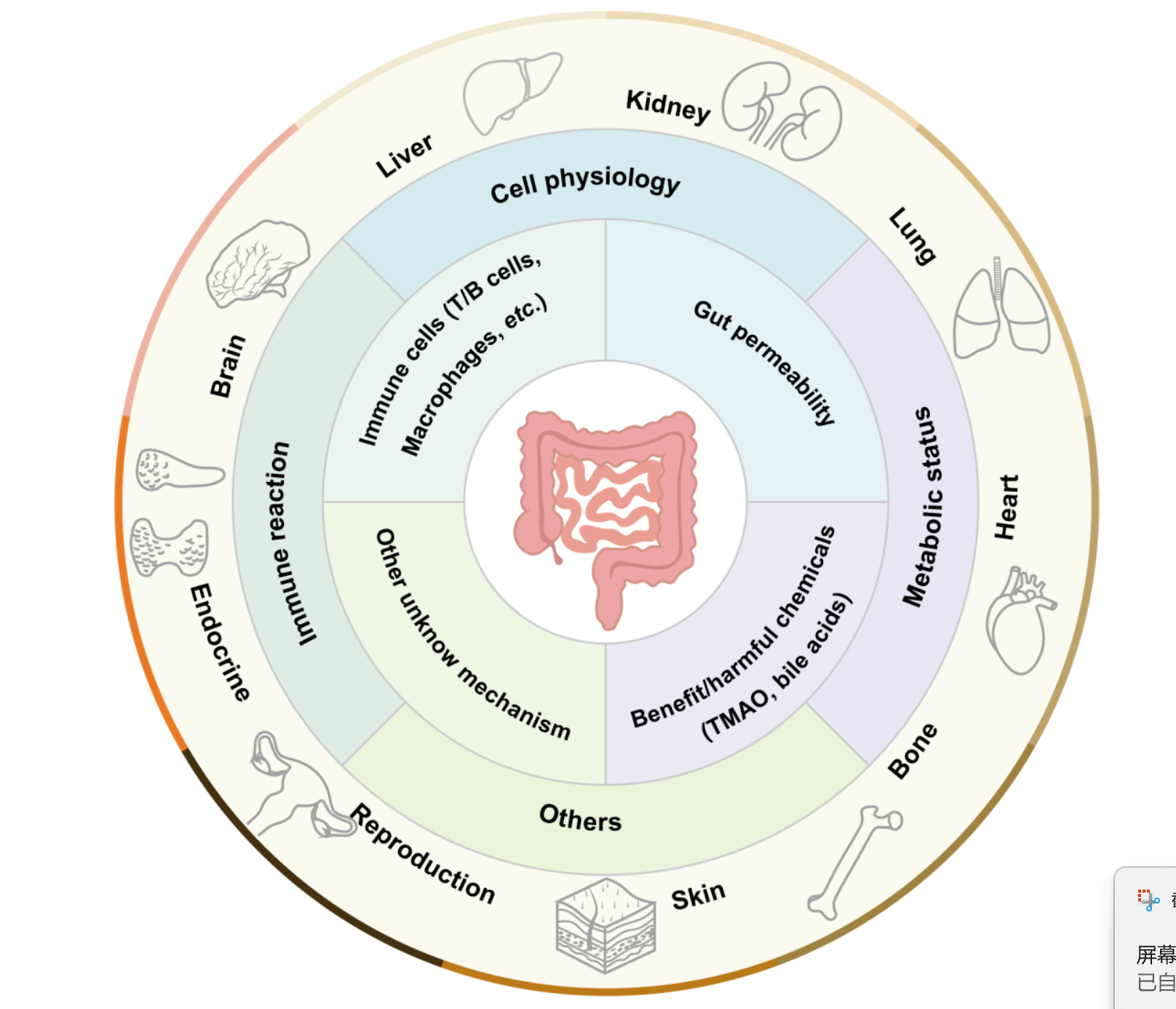
Mouse-derived NNMT His-tagged protein aids in revealing the dual pathways of metabolic regulation in alcoholic liver disease
2026-07-09The Severe Challenge of Alcoholic Liver Disease and the Research Value of NNMT.
View details
- Metabolism
- Mouse-derived Nicotinamide N-Methyltransferase (NNMT) His-tagged Protein
- Protein
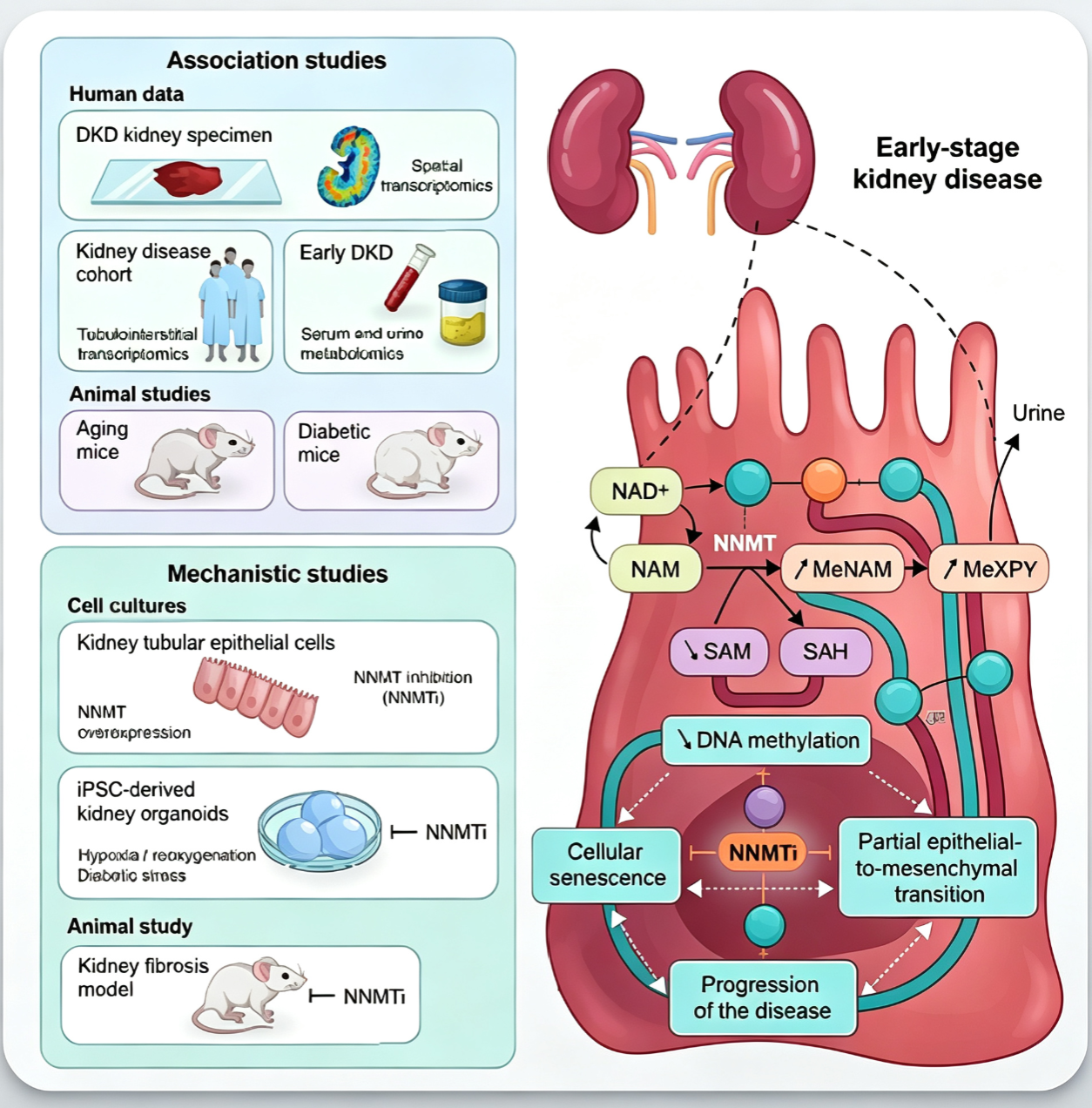
The application value of His-tagged NNMT protein from rhesus macaques in chronic kidney disease research
2026-07-09Chronic kidney disease is defined as a persistent abnormality in kidney function or structure lasting more than three months, a refractory condition whose global prevalence is rising sharply with the aging population and the spread of metabolic diseases.
View details
- Metabolism
- Rhesus monkey-derived Nicotinamide N-Methyltransferase (NNMT) His-tagged Protein
- Protein
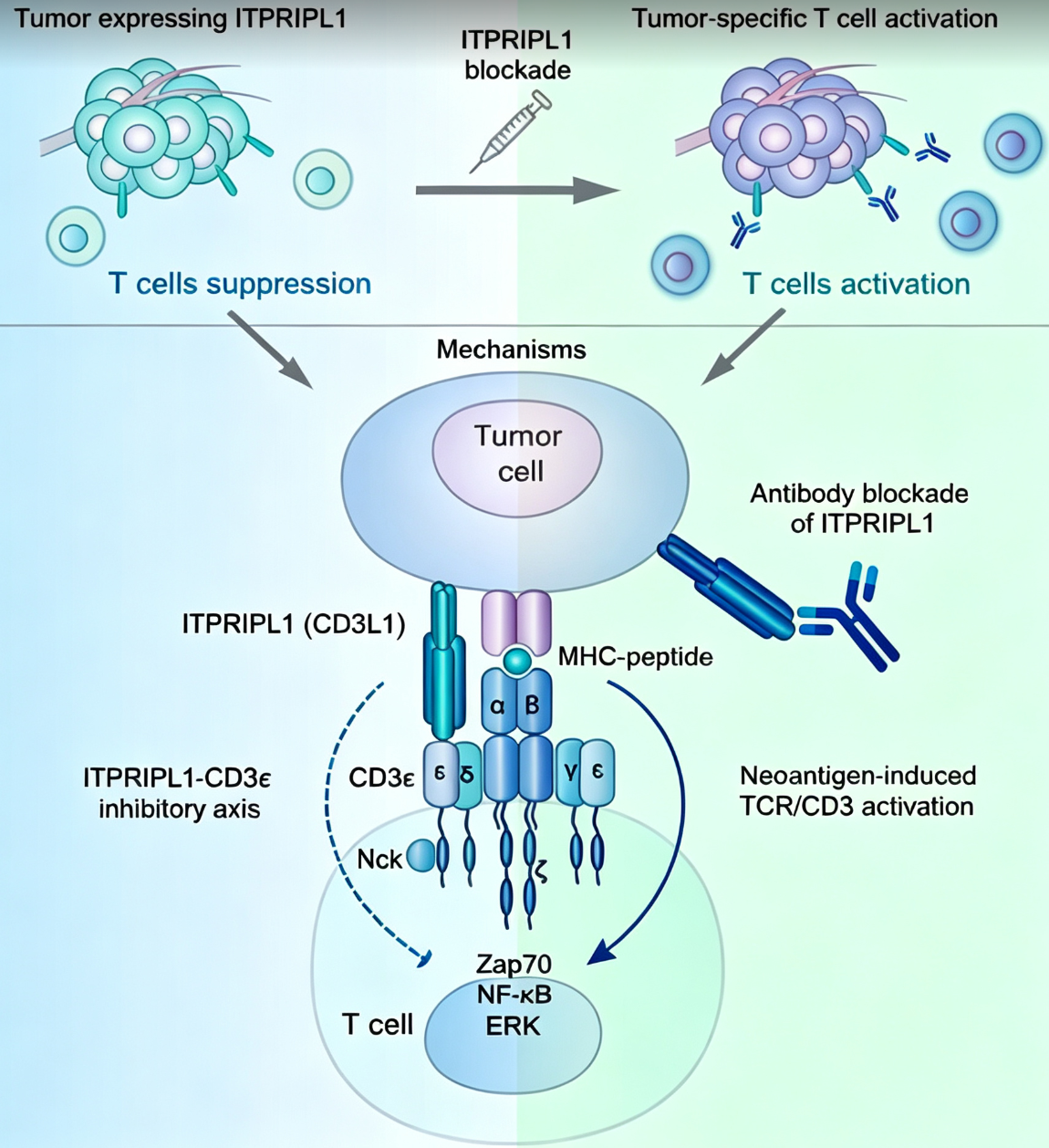
Signal transduction mechanism of the CD3-TCR complex and new discoveries in the CD3L1 immune checkpoint
2026-07-09The CD3 molecule serves as a critical signaling subunit of the T-cell receptor complex, playing a central role in T-cell antigen recognition and the initiation of immune responses.
View details
- Immunity/Inflamma
- Human CD3E & CD3G Heterodimer Fc-tagged Protein
- Protein
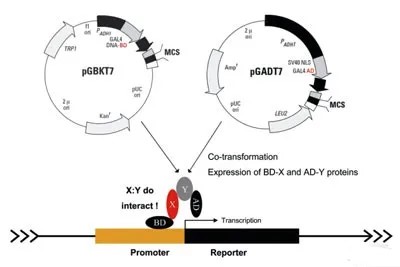
Exploring the "social network" of proteins: four major technologies to reveal the secrets of protein interactions
2025-04-29Proteins are the core executors of life activities. They interact with each other to form complex networks and regulate every function of the cell. These interactions are like the "social network" within the cell, which determines how proteins work together to maintain the normal operation of life.
View details
- Cell Biology
- Protein
- Social Networks
- Protein Interactions
- Nanjing Youai
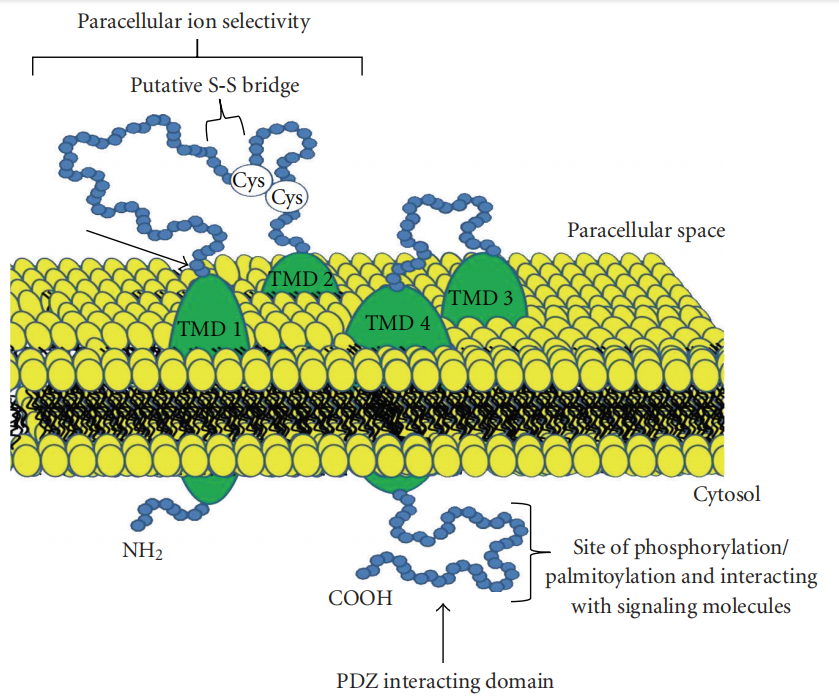
The Claudin Protein Family: Determining Whether Your Cells Are 'Socially Awkward' or 'Sociable'
2025-04-24As a key component of intercellular junctions, the tight junction protein Claudin family plays an irreplaceable role in maintaining tissue barrier function, regulating paracellular permeability, and participating in various physiological and pathological processes. In recent years, with the deepening of research on Claudin proteins, their roles in tumorigenesis, development, and infectious diseases have become increasingly clear, making them a "star target" for the development of anti-tumor drugs.
View details
- Cell Biology
- Claudin
- Protein
- anti-tumor drugs
- Nanjing Youai
Unveiling the Mysteries of EPG Recombinant Protein
2025-04-07The EPG protein (Eukaryotic division factor-like and proliferation-associated protein) is a protein that participates in cell division and proliferation, playing a crucial role in cell biology. In recent years, scientists have discovered that the EPG protein exhibits a mysterious characteristic, that is, it has unique functions during the processes of cell division and proliferation. Through recombinant technology, researchers have prepared the EPG recombinant protein, and this novel protein has aroused widespread interest in the field of biological research.
View details
- Cell Biology
- EPG
- Protein
- recombinant protein
- 1

Link:





©2021-2026 all rights reserved UA Biotechnology Co.,Ltd.

网站备案号 浙ICP备2022019033号-2 浙公网安备33010202004867号
 Business license (three certificates in one)
 Tel:+86-0571-87565022
E-mail:order@ua-bio.com
All products sold on this website shall not be used for clinical diagnosis or treatment of humans or animals, and shall only be used for non-medical purposes such as industrial or scientific research.
