

Technical Articles
Microbiology
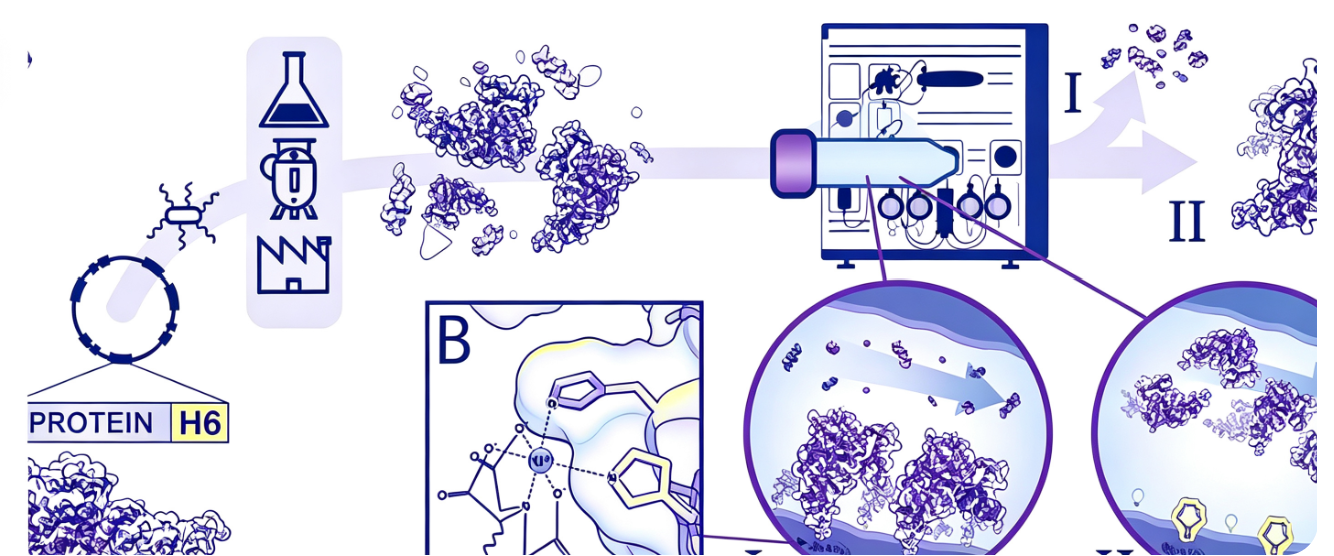
Structural and functional analysis of the G protein of Nipah virus and the application value of its His-tagged recombinant protein
 2026-07-10
The Nipah virus, as a highly lethal zoonotic pathogen, relies critically on its glycoprotein G for invading host cells, playing an irreplaceable role in this process. In-depth research into the structure and function of the G protein not only helps elucidate the virus's pathogenic mechanisms but also provides a vital molecular target for vaccine development and antiviral drug design. Recombinant G protein and its derivatives serve as essential research tools, demonstrating broad application prospects in virology studies and the development of immunodetection technologies.
View details
- Microbiology
- Nipah Virus Glycoprotein G His-tagged Protein
- Protein
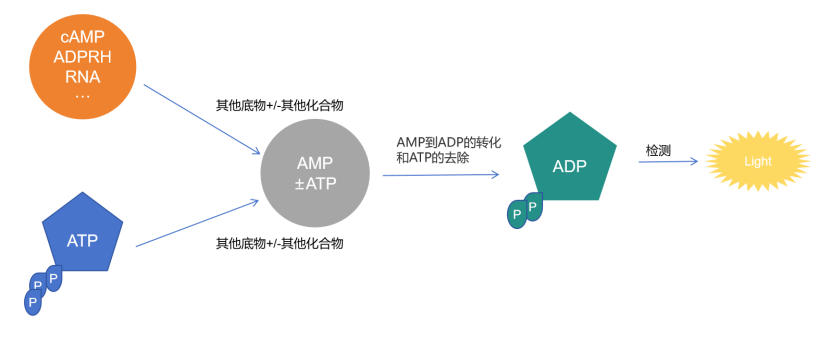
High-Throughput AMP-Related Enzyme Target Drug Screening Technology UA-Glo® AMP Assay Kit
2025-09-12High-Throughput AMP-Related Enzyme Target Drug Screening Technology UA-Glo® AMP Assay Kit
View details
- Microbiology
2025-09-04View details
- Microbiology

Molecular mechanism and therapeutic progress of IL-1 receptor family and inflammatory diseases
2025-07-11Interleukin-1 (IL-1) family is the core cytokine group regulating inflammatory response in the innate immune system. Its members participate in a variety of pathophysiological processes by binding specific receptor complexes. According to receptor binding characteristics, the IL-1 family can be divided into three subfamilies: IL-1, IL-18, and IL-36. Among them, the key co receptor IL-1R5 (i.e. IL-18R α) of the IL-18 subfamily plays an important role in infections, autoimmune diseases, and metabolic disorders.
View details
- Microbiology
- IL-1
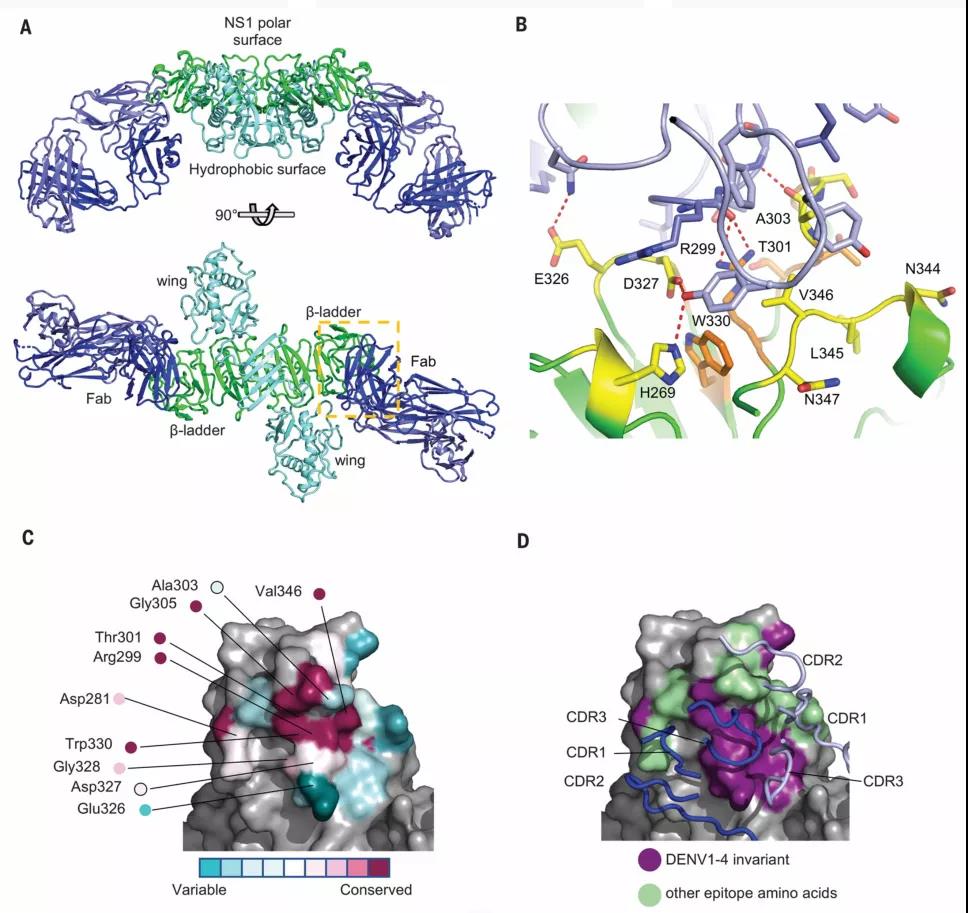
Dengue virus NS1 protein: Uncovering the key to virus pathogenesis and the hope of antibody therapy
2025-04-22The NS1 protein of dengue virus is the key to its pathogenesis, and the discovery of 2B7 antibodies provides new hope for blocking the destructive effect of this protein. This study not only deepens our understanding of the pathogenic mechanism of dengue virus, but also opens up new avenues for the development of more effective therapeutic drugs and vaccines.
View details
- Microbiology
- 1

Link:





©2021-2026 all rights reserved UA Biotechnology Co.,Ltd.

网站备案号 浙ICP备2022019033号-2 浙公网安备33010202004867号
 Business license (three certificates in one)
 Tel:+86-0571-87565022
E-mail:order@ua-bio.com
All products sold on this website shall not be used for clinical diagnosis or treatment of humans or animals, and shall only be used for non-medical purposes such as industrial or scientific research.
