

Technical Articles
Metabolism
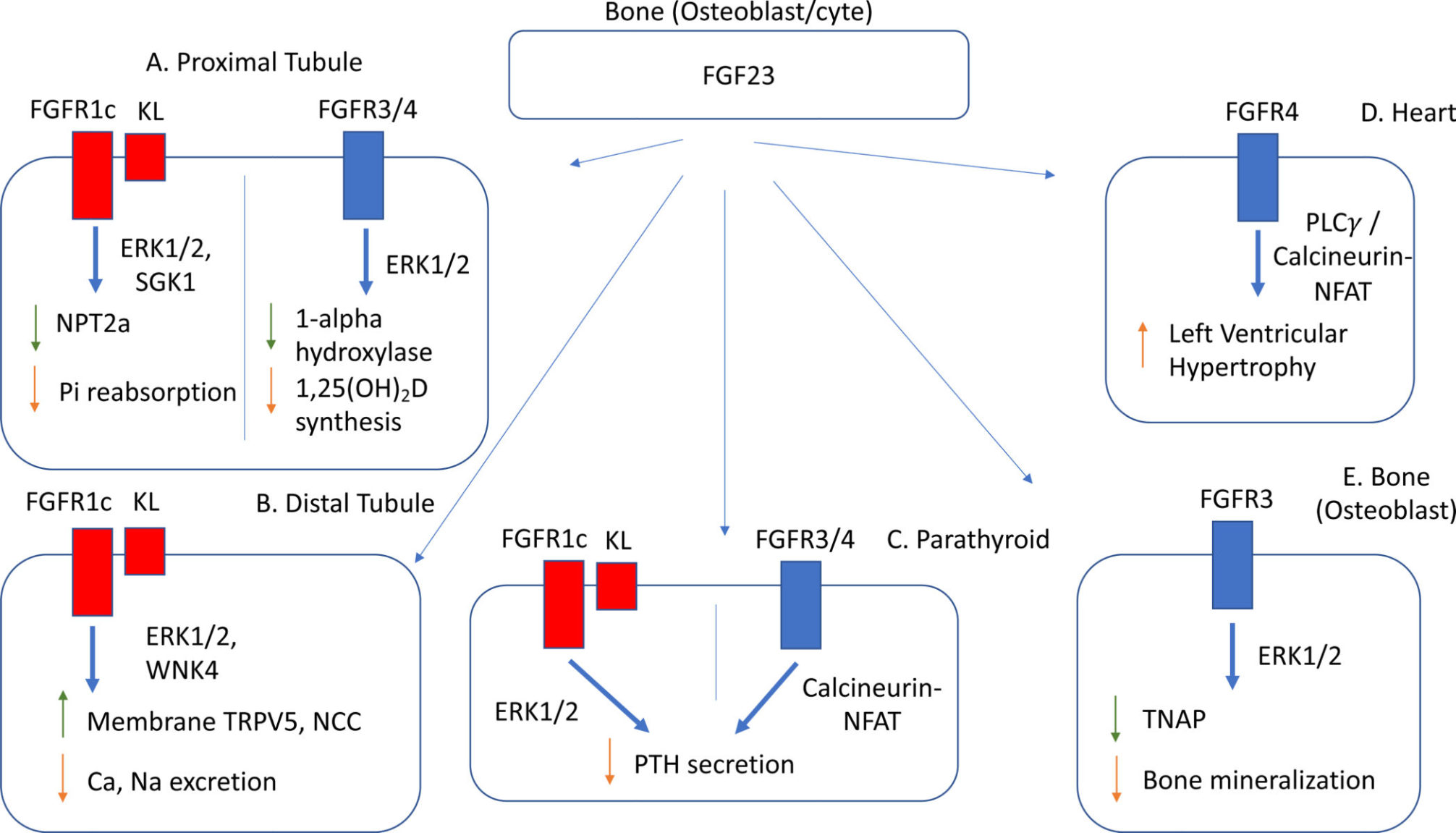
FGF-23 recombinant protein: the core regulatory factor of mineral metabolism disorders in chronic kidney disease
 2026-10-13
This article focuses on the molecular characteristics and biological functions of fibroblast growth factor 23 (FGF-23), systematically elaborating its core regulatory role as a phosphaturic hormone in mineral metabolism disorders in chronic kidney disease, analyzing the interaction mechanisms between FGF-23 and calcium and phosphorus metabolism as well as the clinical significance of the signaling axis formed with Klotho in the progression of CKD, and exploring the application prospects of FGF-23 as a new target for the diagnosis and treatment of CKD.
View details
- Metabolism
- FGF-23 recombinant protein
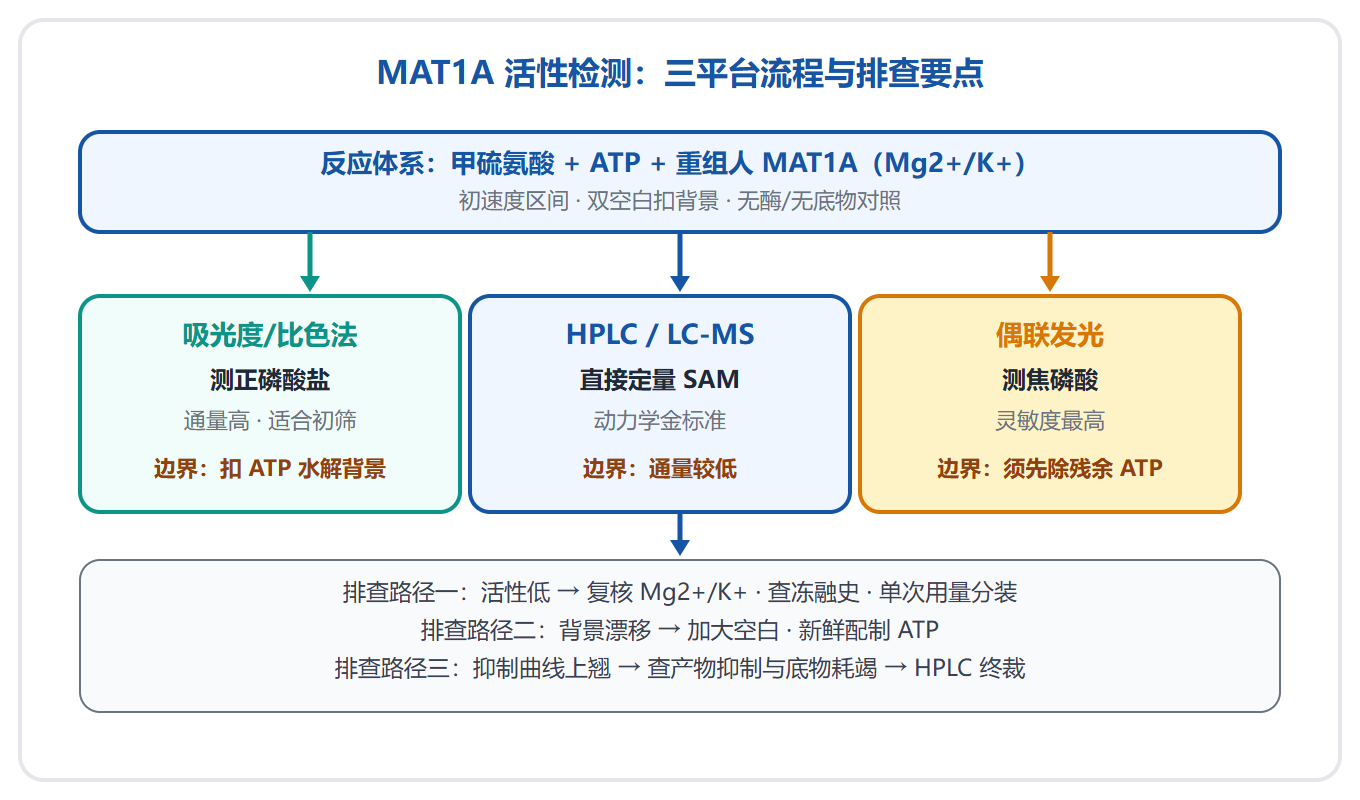
MAT1A Activity Assay Tools: Enzyme Reaction Systems, Platform Selection and Data Interpretation
2026-09-23A tool-oriented guide to MAT1A activity assays: the interference trap of ATP as an intrinsic substrate, Mg2+/K+ system parameters, platform boundaries among absorbance, HPLC and coupled luminescence readouts, and troubleshooting paths for three commo
View details
- Metabolism
- MAT1A activity assay
- enzyme reaction system
- SAM
- pyrophosphate
- HPLC
- inhibitor screening
- UA0800468

MAT1A: Catalytic Mechanism and Research Landscape of Methionine Adenosyltransferase
2026-09-23MAT1A (EC 2.5.1.6) catalyzes methionine and ATP into SAM, the entry enzyme of one-carbon metabolism. This review covers its two-step catalytic mechanism, oligomeric states, division of labor with MAT2A, disease associations and in vitro research esse
View details
- Metabolism
- MAT1A
- methionine adenosyltransferase
- SAM
- one-carbon metabolism
- MAT I/III
- isoenzymes
- UA0800468

MAT1A: From the Hepatic Methylation Engine to a Turning Point in Tumor Metabolism
2026-09-23MAT1A is the methylation engine of the liver, yet hepatocellular carcinoma cells systematically switch it off and re-express MAT2A. This article dissects the MAT1A/MAT2A switch, its consequence chain and the contest between two intervention routes fr
View details
- Metabolism
- MAT1A
- SAM
- one-carbon metabolism
- MAT2A
- hepatocellular carcinoma
- methylation
- UA0800468

PRLR Binding Assay Guide: Parameters and Interpretation for His&Fc Fusion Proteins
2026-09-22A tool-oriented guide to PRLR binding experiments: QC evidence for the His&Fc fusion extracellular domain, platform parameters for ELISA, SPR and BLI, affinity interpretation conventions, and troubleshooting paths for three common data anomalies.
View details
- Metabolism
- PRLR binding assay
- His&Fc
- ELISA
- SPR
- BLI
- SEC
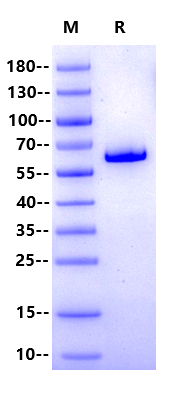
One Receptor, Two Narratives: Why PRLR Has Returned to the Targeting Spotlight
2026-09-22Once defined by lactation biology, the prolactin receptor PRLR has re-entered targeted research three decades later on the strength of high expression profiles in luminal breast cancer. This article unpacks the receptor's dual identity and translatio
View details
- Metabolism
- PRLR
- prolactin receptor
- breast cancer
- STAT5
- antagonist
- target research

PRLR: Structural Isoforms, JAK2-STAT5 Signaling and the Research Landscape of the Prolactin Receptor
2026-09-22A systematic review of the prolactin receptor (PRLR), a class I cytokine receptor family member that transmits prolactin signals via the JAK2-STAT5 pathway: receptor structure and isoforms, signaling hierarchy, physiological functions, and the toolki
View details
- Metabolism
- PRLR
- prolactin receptor
- JAK2
- STAT5
- breast cancer
- recombinant protein
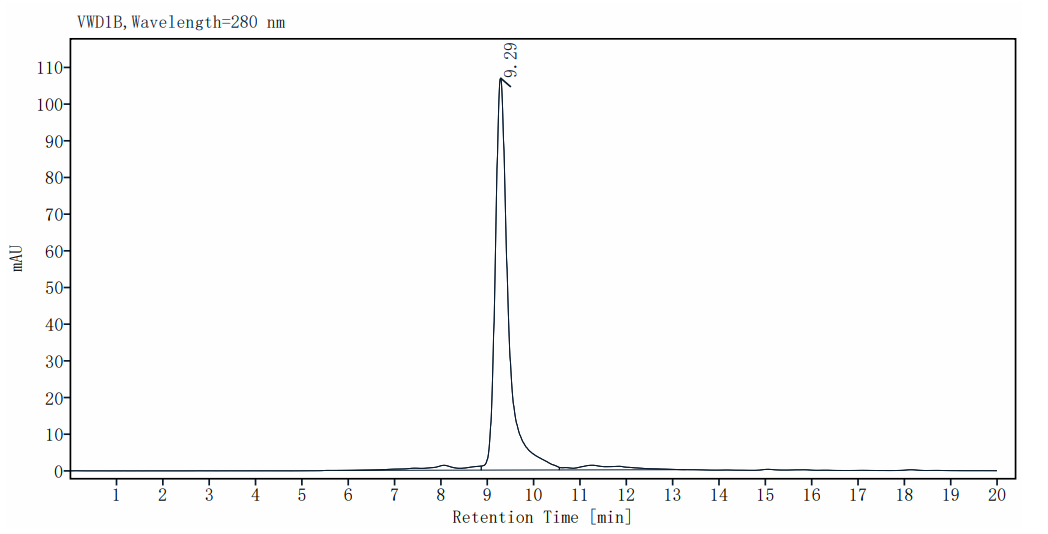
The Cross-Species Landscape of NNMT: Sequence, Expression and Model Selection
2026-09-20From mouse to rhesus monkey, NNMT differs in sequence conservation, tissue expression profiles and model fit. This review covers the core dimensions of cross-species comparison and the logic of aligning tool proteins.
View details
- Metabolism
- NNMT
- Cross-species
- Sequence conservation
- Tissue expression
- Model selection
- Mouse
- Rhesus monkey
- UA085036

The Ledger of a Single Methyl Group: How NNMT Rewrites Cellular Methylation Capacity
2026-09-20Picture the NNMT reaction as an accounting exercise: SAM is the wallet, SAH the IOU, and histone methylation is where the money is spent. This article walks through the bookkeeping and reconciliation of this methyl ledger in four steps.
View details
- Metabolism
- NNMT
- SAM
- SAH
- Histone methylation
- Epigenetics
- Metabolite quantification
- UA085036
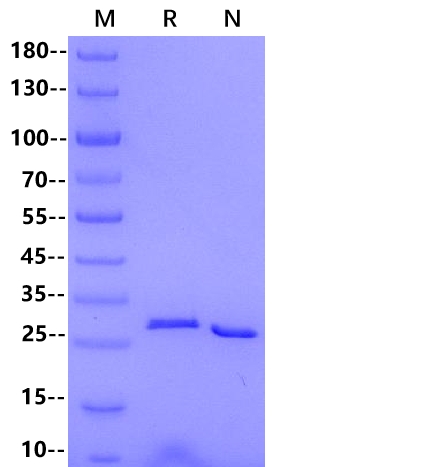
Monkey-Derived NNMT Research Tools: Sequence and Functional Alignment for Non-Human Primate Studies
2026-09-20A tool-oriented guide to non-human primate NNMT research: three layers of alignment—sequence identity verification, kinetic parallel testing and antibody cross-reactivity validation—plus QC interpretation of recombinant rhesus NNMT.
View details
- Metabolism
- NNMT
- Rhesus macaque
- Non-human primate
- Cross-species
- Sequence identity
- Activity assay
- UA085036
- 1
- 2
- 3
- 4
- 5
- 6
- 8

Link:





©2021-2026 all rights reserved UNIV Biotechnology Co.,Ltd.
Privacy Policy
网站备案号 苏ICP备2025207586号-2 浙公网安备33010202004867号
 Business license (three certificates in one)
 Tel:+86-25-56221161
E-mail:order@ua-bio.com
All products sold on this website shall not be used for clinical diagnosis or treatment of humans or animals, and shall only be used for non-medical purposes such as industrial or scientific research.