

Technical Articles
Metabolic Diseases
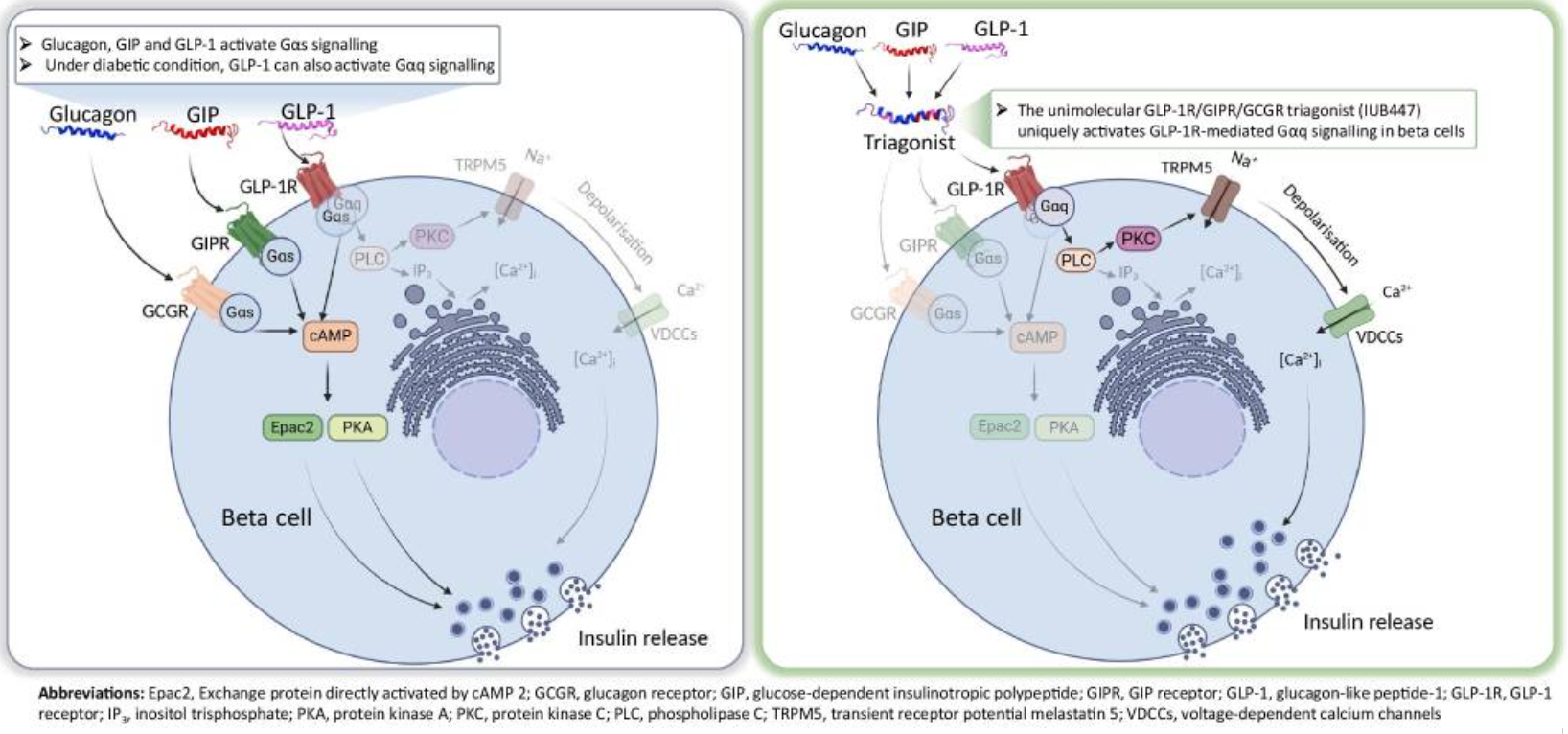
In-depth Analysis of the GCGR Target: From the Hub of Glucose Metabolism to the Key Coreceptor for Multi-Target Metabolic Therapy
 2026-06-23
The glucagon receptor (GCGR) is a crucial member of the class B G protein-coupled receptor family, forming a core receptor network with GLP-1R and GIPR to regulate glucose homeostasis and energy metabolism. The endogenous ligand of GCGR is glucagon, primarily secreted by pancreatic α-cells, which plays a pivotal role in maintaining fasting blood glucose levels, promoting lipid oxidation, and increasing energy expenditure.
View details
- Immunity/Inflamma
- GCGR
- Glucagon Receptor
- Class B GPCR
- cAMP Signaling
- Gluconeogenesis
- Multi-Target Agonists
- Metabolic Diseases
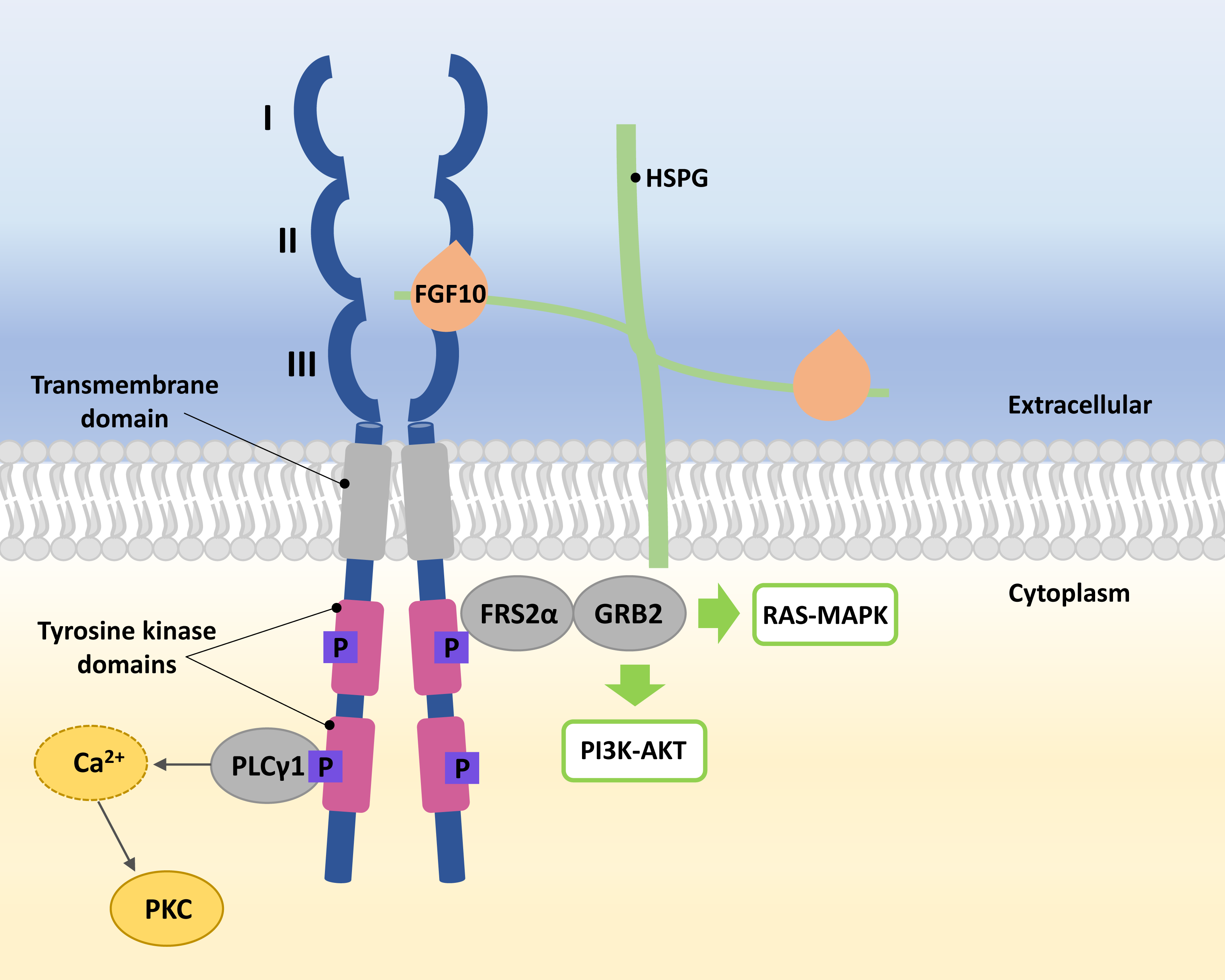
FGF-10: The "Architect" of Organ Morphogenesis and the "Double-Edged Sword" in Disease Repair
2025-11-21FGF-10, fully known as fibroblast growth factor-10, is a member of the FGF-7 subfamily within the FGF family. One of its most notable features is that it primarily functions through a paracrine mechanism, meaning it is secreted by mesenchymal cells and acts on neighboring epithelial cells.
View details
- Immunity/Inflamma
- FGF-10
- Metabolic diseases
- Congenital lung disease.
- 1

Link:





©2021-2026 all rights reserved UA Biotechnology Co.,Ltd.

网站备案号 浙ICP备2022019033号-2 浙公网安备33010202004867号
 Business license (three certificates in one)
 Tel:+86-0571-87565022
E-mail:order@ua-bio.com
All products sold on this website shall not be used for clinical diagnosis or treatment of humans or animals, and shall only be used for non-medical purposes such as industrial or scientific research.
