




Technical Articles
IL-21 protein
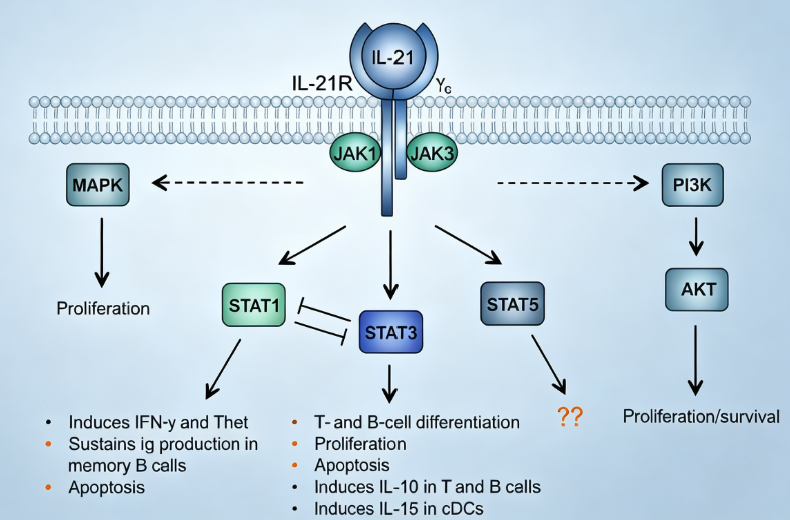
IL-21: A Pleiotropic Regulator Bridging Innate and Adaptive Immunity
 2026-09-08
This article systematically elaborates on the molecular characteristics and biological functions of interleukin-21 (IL-21), focusing on its structural features as a member of the IL-15/IL-21 family and its mechanism of activating the JAK-STAT signaling pathway through the IL-21R/γc receptor complex. It also analyzes its pivotal role in regulating the functions of CD8+ T cells, NK cells, and CD4+ T cell subsets.
View details
- Immunity/Inflamma
- IL-21 protein
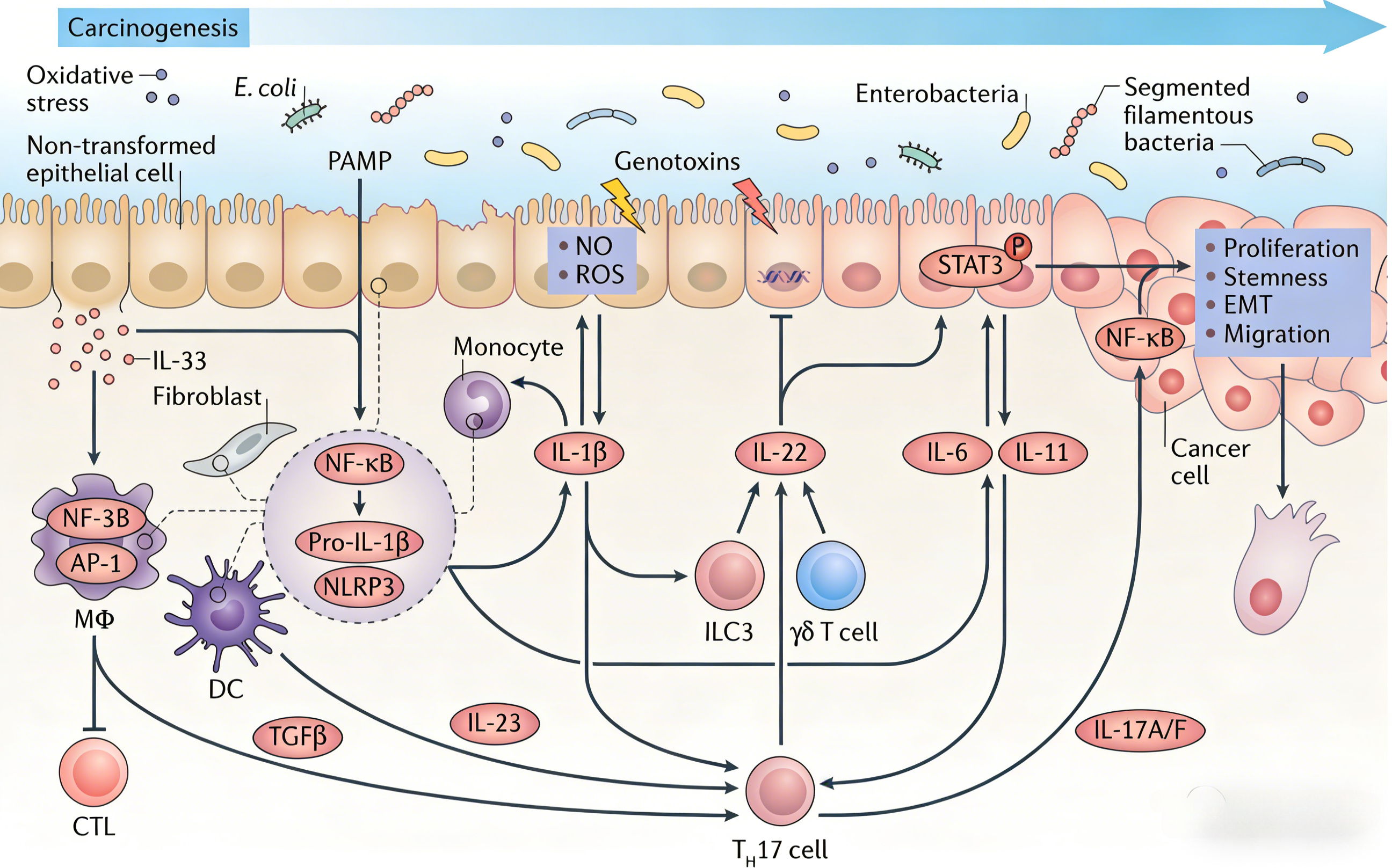
The role and mechanism of IL-21 protein in tumor immunotherapy and its prospects for combination therapy
2026-04-02IL-21 protein belongs to the IL-2 cytokine superfamily and is primarily produced by CD4-positive T cells. It can also be partially secreted by natural killer T cells, follicular helper T cells, and CD8-positive T cells, with some lymphoid hematopoietic cells capable of producing it in small amounts.
View details
- Cancer
- IL-21 Protein
- Tumor Immunotherapy
- T Cells
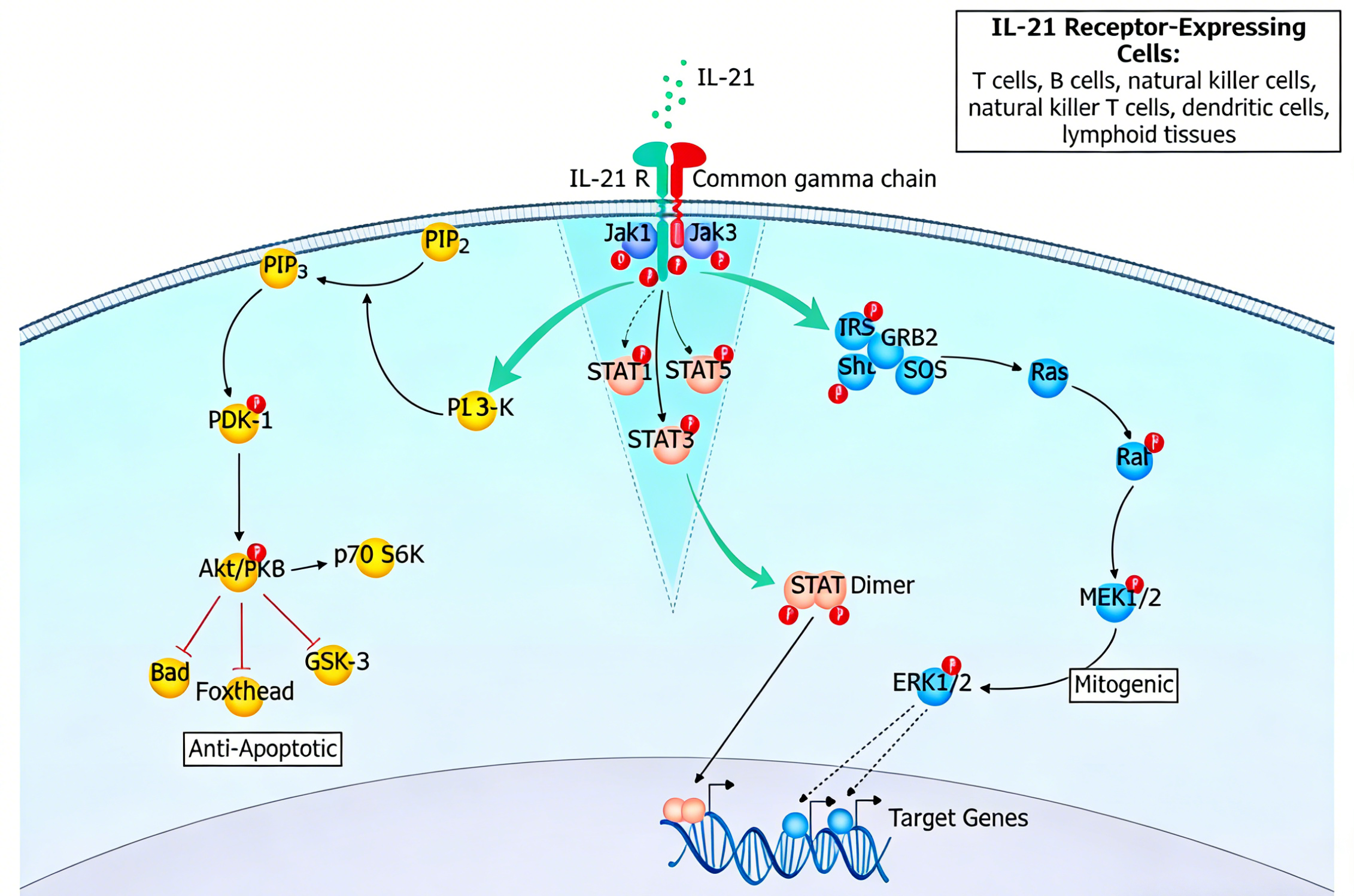
Mechanism of IL-21 Protein in Tumor-Targeted Therapy
2026-04-02The lack of functional tumor-infiltrating lymphocytes in the tumor microenvironment is a significant reason for the suboptimal efficacy of tumor immunotherapy. Even in tumor tissues rich in tumor-infiltrating lymphocytes, the presence of dysfunctional PD-1-positive Tim-3-positive CD8-positive T cells remains a major indicator of poor prognosis in cancer patients.
View details
- Cancer
- IL-21 Protein
- Tumor Microenvironment
- Immunotherapy
- 1

Link:





©2021-2026 all rights reserved UA Biotechnology Co.,Ltd.
Privacy Policy 
网站备案号 浙ICP备2022019033号-2 浙公网安备33010202004867号
 Business license (three certificates in one)
 Tel:+86-25-56221161
E-mail:order@ua-bio.com
All products sold on this website shall not be used for clinical diagnosis or treatment of humans or animals, and shall only be used for non-medical purposes such as industrial or scientific research.
