

Technical Articles
GCGR
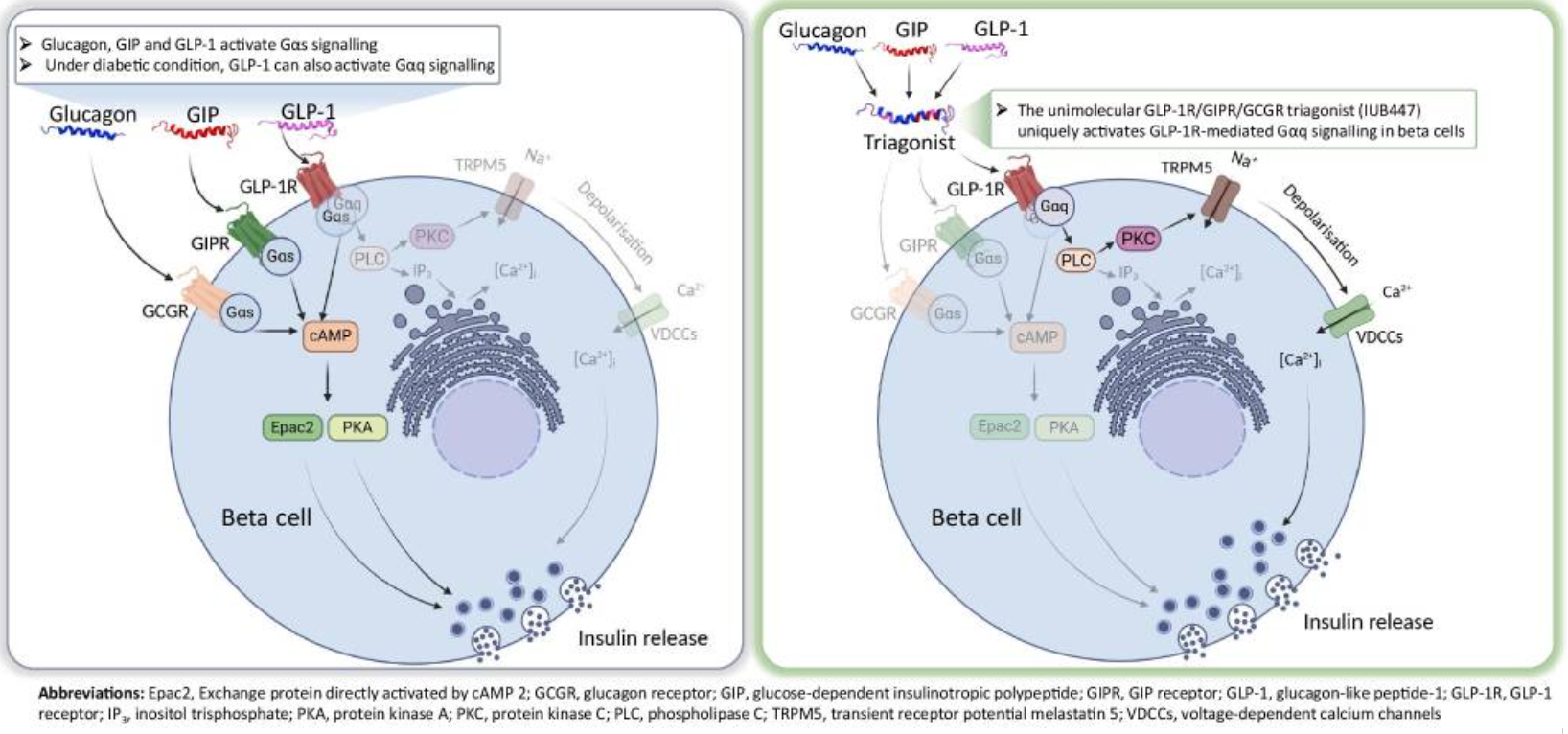
In-depth Analysis of the GCGR Target: From the Hub of Glucose Metabolism to the Key Coreceptor for Multi-Target Metabolic Therapy
 2026-06-23
The glucagon receptor (GCGR) is a crucial member of the class B G protein-coupled receptor family, forming a core receptor network with GLP-1R and GIPR to regulate glucose homeostasis and energy metabolism. The endogenous ligand of GCGR is glucagon, primarily secreted by pancreatic α-cells, which plays a pivotal role in maintaining fasting blood glucose levels, promoting lipid oxidation, and increasing energy expenditure.
View details
- Immunity/Inflamma
- GCGR
- Glucagon Receptor
- Class B GPCR
- cAMP Signaling
- Gluconeogenesis
- Multi-Target Agonists
- Metabolic Diseases
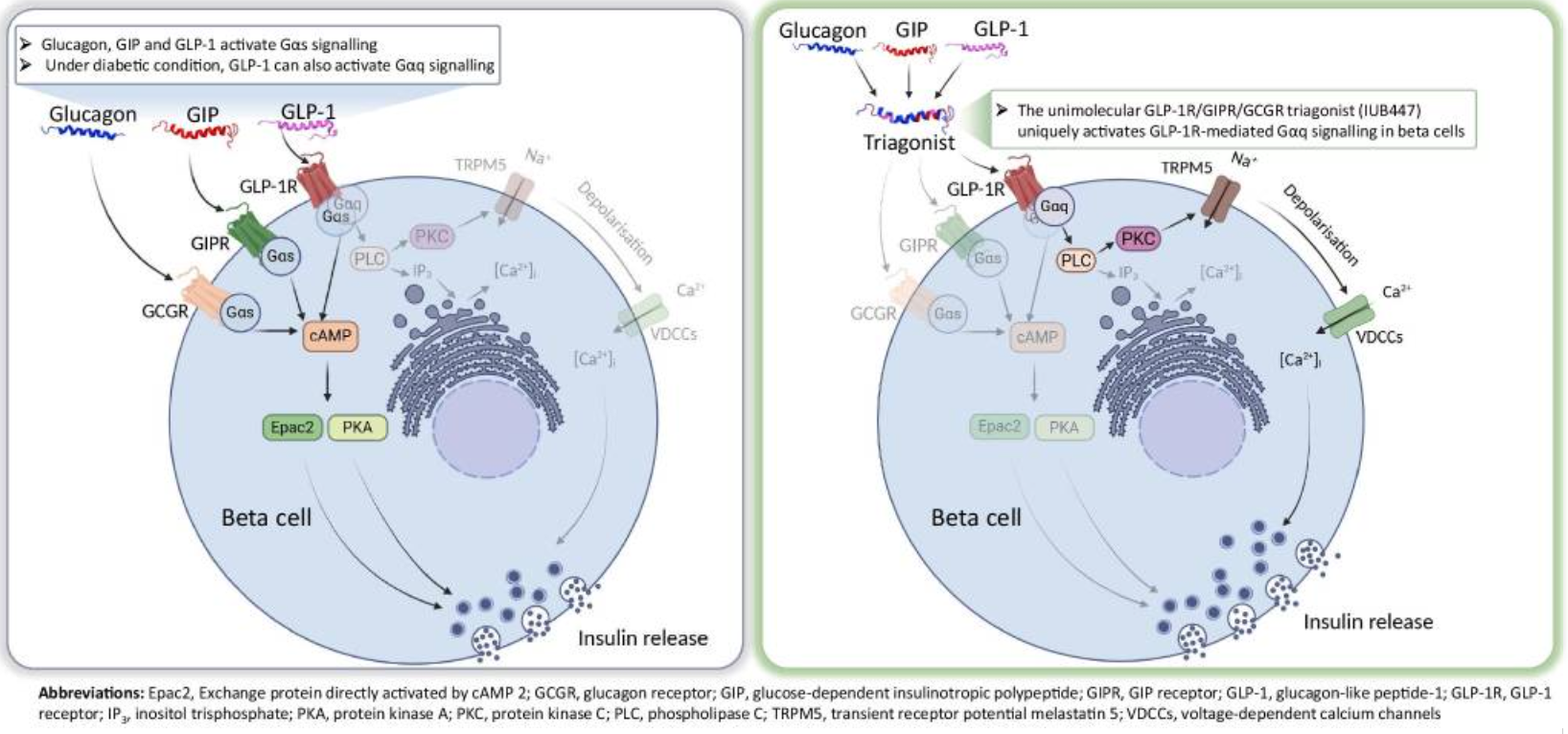
GLP-1R/GIPR/GCGR: From Single-Target Agonism to a Triple-Target Synergistic Paradigm for Metabolic Therapy
2026-06-23Glucagon-like peptide-1 receptor (GLP-1R) agonists have revolutionized the treatment of type 2 diabetes and obesity over the past decade. However, the efficacy ceiling of single-target drugs and gastrointestinal tolerance issues have prompted researchers to explore more complex multi-target synergistic strategies.
View details
- Immunity/Inflamma
- Keywords: GLP-1R
- GIPR
- GCGR
- triple agonist
- tirzepatide
- retatrutide
- ASC37
- multi-target agonist
- obesity
- type 2 diabetes
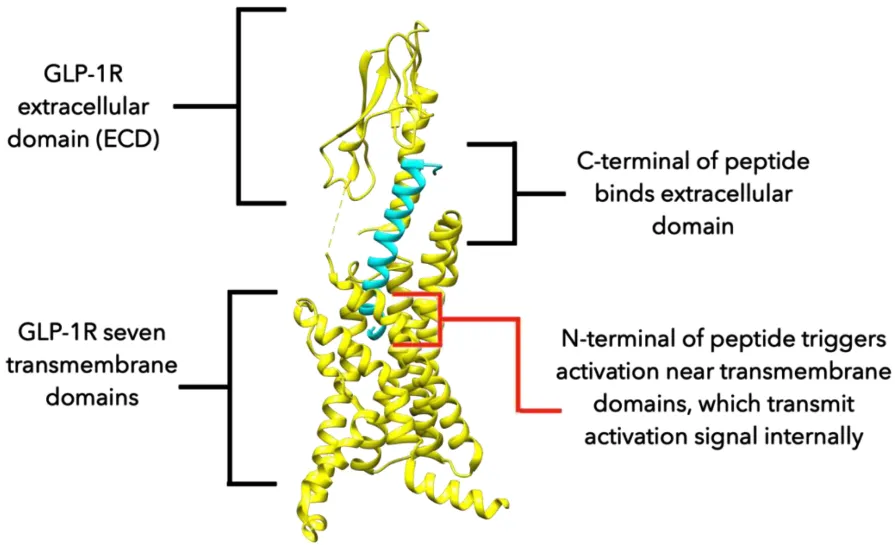
GCGR: Analysis of the core role and mechanism of glucagon receptor in metabolic regulation
2025-05-23Glucagon receptor (GCGR), as an important member of the B-type G protein-coupled receptor (GPCR) family, plays a key role in maintaining blood glucose homeostasis, lipid metabolism and energy balance. It regulates liver glycogenolysis and gluconeogenesis by recognizing and responding to glucagon signals, and has become the focus of research on diabetes, obesity and related metabolic diseases.
View details
- Metabolism
- GCGR
- 1

Link:





©2021-2026 all rights reserved UA Biotechnology Co.,Ltd.

网站备案号 浙ICP备2022019033号-2 浙公网安备33010202004867号
 Business license (three certificates in one)
 Tel:+86-0571-87565022
E-mail:order@ua-bio.com
All products sold on this website shall not be used for clinical diagnosis or treatment of humans or animals, and shall only be used for non-medical purposes such as industrial or scientific research.
