




Technical Articles
FGFR4
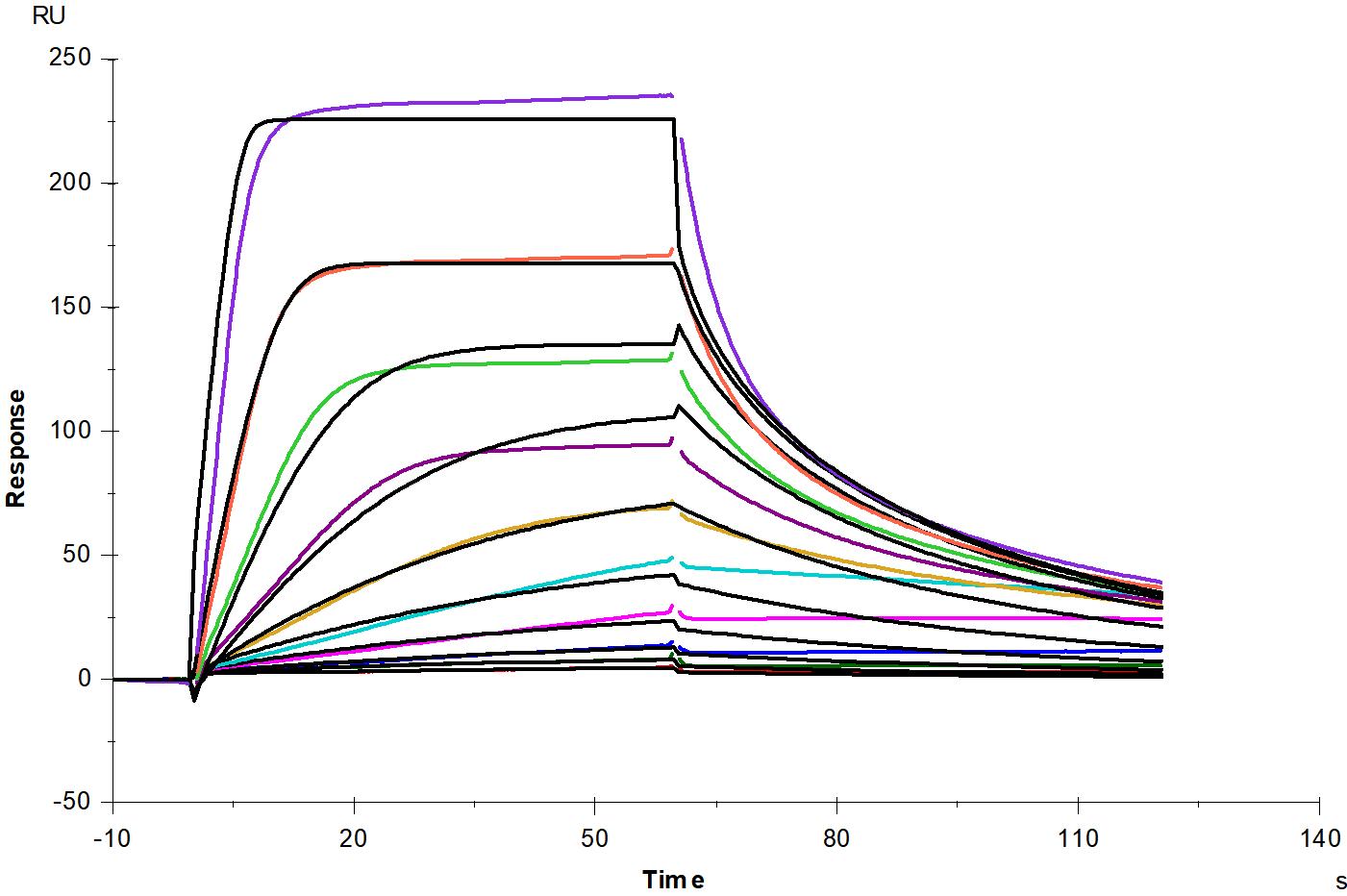
FGFR4: Why Hepatocellular Carcinoma Targeting Focuses on This Selective Receptor
 2026-09-20
Among the four FGFR family members, FGFR4 alone resides in the liver and binds the KLB co-receptor. From an industry perspective, this article dissects the FGF19 axis, its association with hepatocellular carcinoma and the design logic of selective in
View details
- Signaling Pathway
- FGFR4
- Hepatocellular carcinoma
- FGF19
- Selective inhibitor
- Targeted therapy
- UA011375

A Door That Needs Two Keys: How FGF19, FGFR4 and KLB Open the Gate
2026-09-20The FGFR4 door opens only when both keys—FGF19 and KLB—are inserted at the same time. This article walks through the four-step assembly of the FGF19-FGFR4-KLB ternary complex and the full process of signal entry.
View details
- Signaling Pathway
- FGFR4
- FGF19
- Beta-Klotho
- KLB
- Ternary complex
- Hepatocellular carcinoma
- UA011375
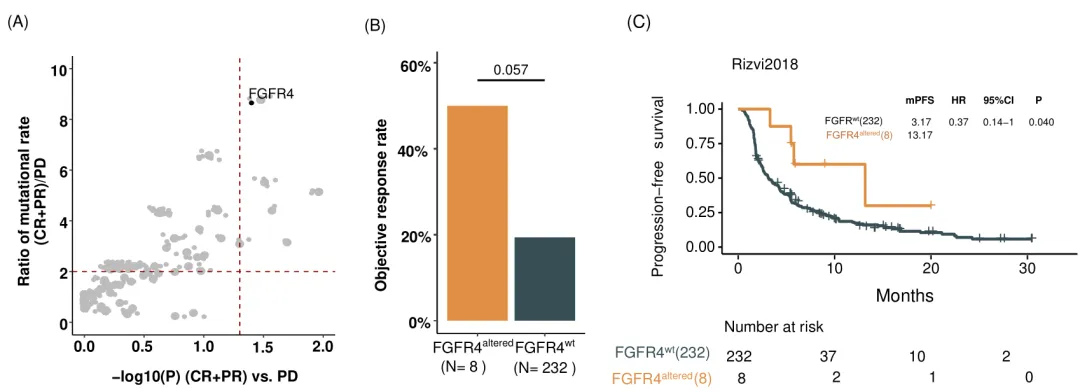
Predictive value and mechanism exploration of FGFR4 mutation in tumor immunotherapy
2025-05-23FGFR4 (fibroblast growth factor receptor 4) is an important member of the receptor tyrosine kinase family, and its signaling pathway plays a key role in regulating cell proliferation, differentiation and immune response. In recent years, the predictive value of FGFR4 mutation in immunotherapy of non-small cell lung cancer (NSCLC) has gradually attracted attention. Many studies have shown that FGFR4 mutation is not only significantly associated with the efficacy of immunotherapy, but also affects the treatment response by reshaping the tumor immune microenvironment, providing a new molecular target for optimizing immunotherapy strategies.
View details
- Cancer
- FGFR4
- 1

Link:





©2021-2026 all rights reserved UA Biotechnology Co.,Ltd.
Privacy Policy 
网站备案号 浙ICP备2022019033号-2 浙公网安备33010202004867号
 Business license (three certificates in one)
 Tel:+86-25-56221161
E-mail:order@ua-bio.com
All products sold on this website shall not be used for clinical diagnosis or treatment of humans or animals, and shall only be used for non-medical purposes such as industrial or scientific research.
