




Technical Articles
Drug Research
Conformational Locking Reshapes the RSV Product Landscape
 2026-10-21
This article reviews how pre-fusion stabilization changed RSV vaccine and antibody development, and what antigen reagent quality means for immunogenicity and potency testing workflows.
View details
- Drug Research
- RSV vaccine
- pre-fusion stabilization
- antigen reagent
- potency testing
- immunogenicity
- product landscape
- UA030095

Coating Pre-fusion F for ELISA: Why Site Ø Signals Drop Off
2026-10-21A practical guide to ELISA with pre-fusion RSV F antigen: coating conditions, epitope sensitivity of site Ø, plate treatment and control design that keeps conformational signals alive.
View details
- Drug Research
- ELISA coating
- pre-fusion F
- site Ø
- antigen conformation
- plate treatment
- control design
- UA030095
HRSV Pre-fusion F: Why the F Protein Must Be Locked Before Fusion
2026-10-21The RSV F protein rearranges irreversibly from pre- to post-fusion conformations, and most neutralizing epitopes only exist in the pre-fusion state. This article explains the conformational locking logic.
View details
- Drug Research
- RSV
- pre-fusion F protein
- fusion glycoprotein
- conformational locking
- neutralizing epitope
- site Ø
- UA030095

Why Internalization Efficiency Is Becoming a Screenable Metric for ADC
2026-10-20This article reviews internalization efficiency as an ADC-screenable metric: quantitative methods, assay boundaries and how pH-sensitive labeling standardizes antibody-internalization comparison.
View details
- Drug Research
- ADC internalization
- internalization efficiency
- antibody-drug conjugate
- internalization screening
- quantitative assay
- UA070122

No Signal in Internalization Assays: Which Steps Usually Go Wrong
2026-10-20A step-by-step troubleshooting guide for pH-sensitive internalization assays: labeling ratio, incubation conditions, washing steps and control design when signals stay flat.
View details
- Drug Research
- internalization assay
- labeling ratio
- incubation conditions
- washing steps
- control design
- signal troubleshooting
- UA070122

pH-Sensitive IgG Labeling: Why Fluorescence Only Lights Up After the Antibody Enters the Cell
2026-10-20pH-sensitive dyes stay quenched at neutral pH and brighten in acidic endosomes. This article explains the self-quenching principle, lysosomal pH and how labeled antibodies report internalization.
View details
- Drug Research
- pH-sensitive IgG labeling reagent
- pH-sensitive fluorescent probe
- antibody internalization assay
- internalization quantification
- self-quenching
- lysosomal pH
- UA070122
How to Choose a Claudin-4 Protein: His Tag, Detergent and Full-Length Specs
2026-10-10A selection guide for Claudin-4 reagents: full-length vs. extracellular domain, His-tag and detergent formulation, and how to pick a membrane protein prep for binding and structural work.
View details
- Drug Research
- Claudin-4 selection
- full-length membrane protein
- His tag
- detergent
- Claudin-4 reagent
- UA060001
What Is Claudin-4: Tight Junctions, Full-Length Membrane Protein and Drug Target
2026-10-10Claudin-4 is a tight-junction protein and an emerging drug target. This article explains its role in barrier integrity and why full-length, detergent-solubilized Claudin-4 matters for research.
View details
- Drug Research
- Claudin-4
- tight junction
- full-length membrane protein
- drug target
- barrier function
- UA060001
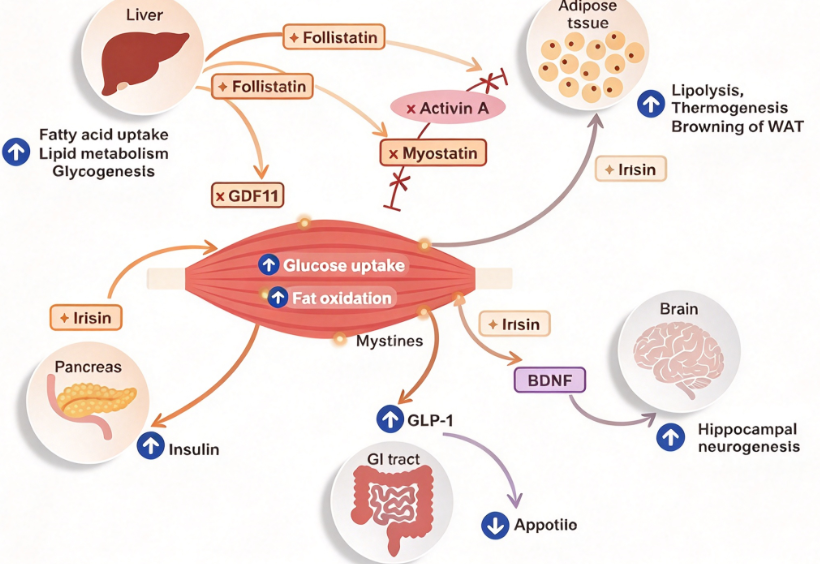
ActRIIA Kinase Activity Inhibitor Screening Kit: A Core Tool from Signal Pathway Analysis to Targeted Drug Discovery
2026-10-09This article systematically elaborates on the molecular characteristics of ActRIIA as a TGF-β superfamily receptor and its core functions in muscle growth, metabolic regulation, and tissue fibrosis, centered on the technical principles and application systems of the ActRIIA kinase activity inhibitor screening kit. It analyzes the critical role of kinase activity detection in ActRIIA-targeted drug screening and explores the application strategies of the inhibitor screening kit in compound activity evaluation and structure-activity relationship studies.
View details
- Drug Research
- ActRIIA kinase activity inhibitor screening kit
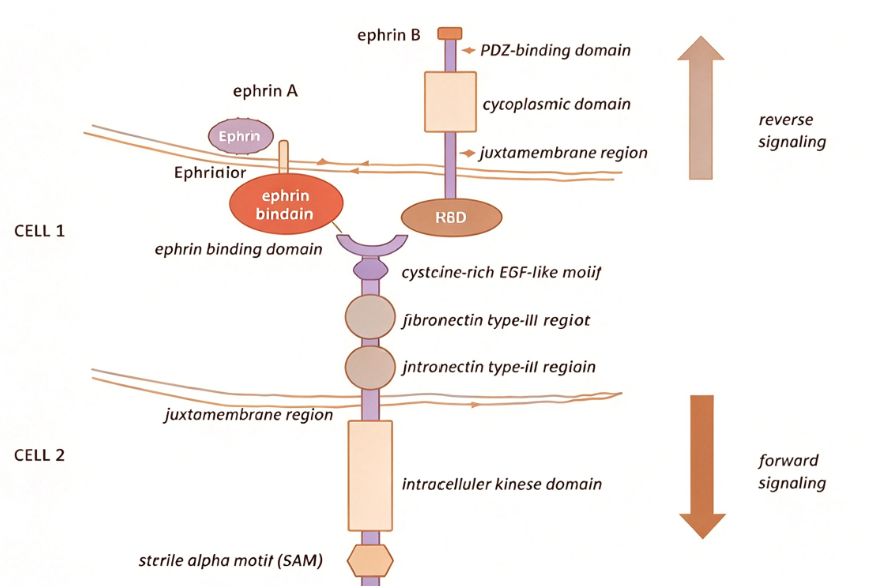
ActRIIB Kinase Activity Inhibitor Screening Kit: From Signaling Pathway Analysis to Targeted Drug Discovery
2026-10-09This article systematically elaborates on the technical principles and application systems of the ActRIIB kinase activity inhibitor screening kit, highlighting the central role of activin receptor type IIB in TGF-β superfamily signal transduction and its value as a drug target in disease areas. It analyzes key technical aspects of kinase activity detection in inhibitor screening and explores the application strategies of this kit in drug development for indications such as muscular atrophy, metabolic diseases, and anemia.
View details
- Drug Research
- ActRIIB kinase activity inhibitor screening kit
- 1
- 2
- 3
- 4
- 5
- 6
- 15

Link:





©2021-2026 all rights reserved UNIV Biotechnology Co.,Ltd.
Privacy Policy
网站备案号 苏ICP备2025207586号-2 浙公网安备33010202004867号
 Business license (three certificates in one)
Tel:+86-25-56221161
E-mail:order@ua-bio.com
All products sold on this website shall not be used for clinical diagnosis or treatment of humans or animals, and shall only be used for non-medical purposes such as industrial or scientific research.


